Special thanks to Nessa Mogharreban, Executive Director, Denver Urban Gardens, for the information in this article.
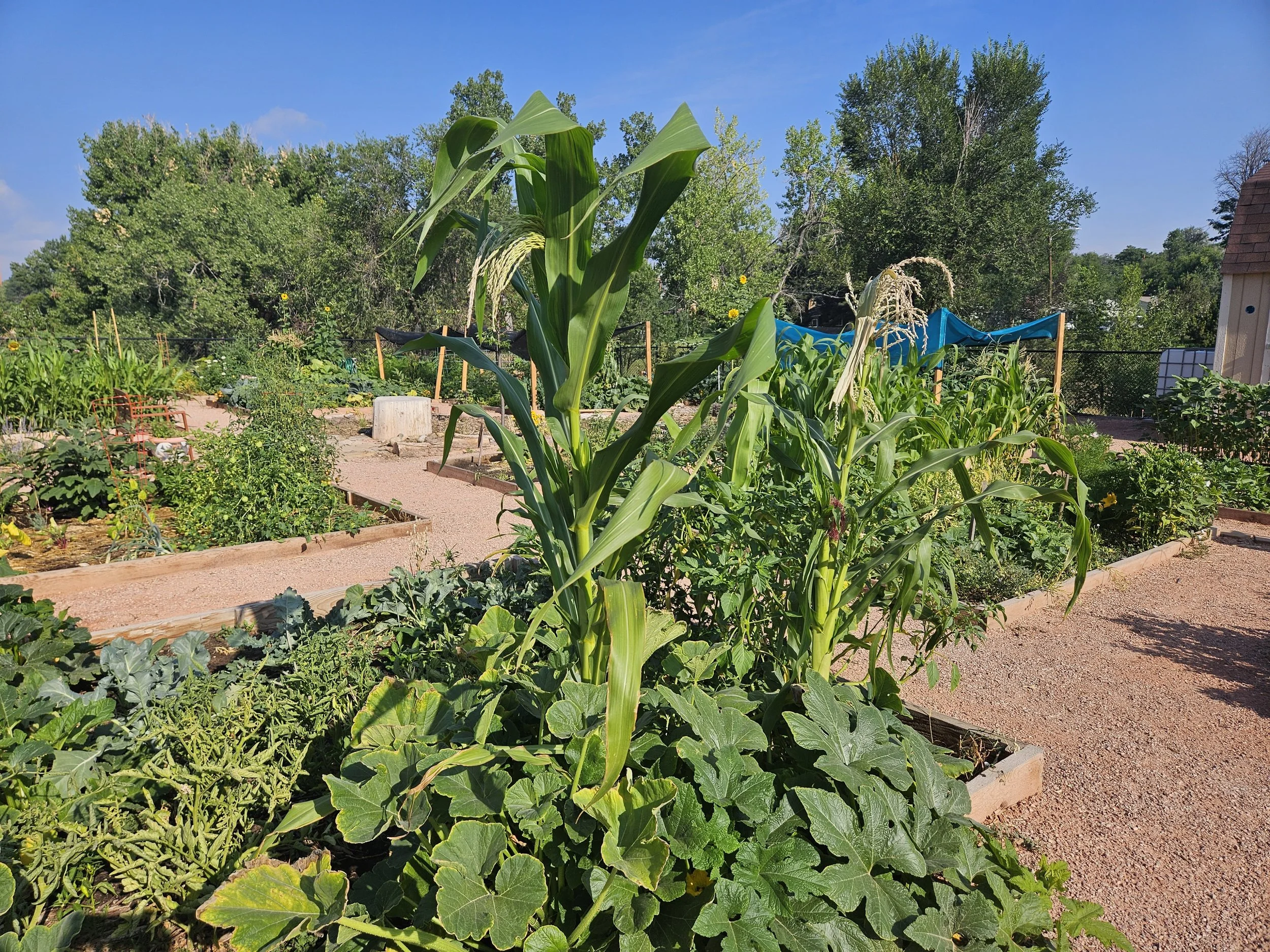
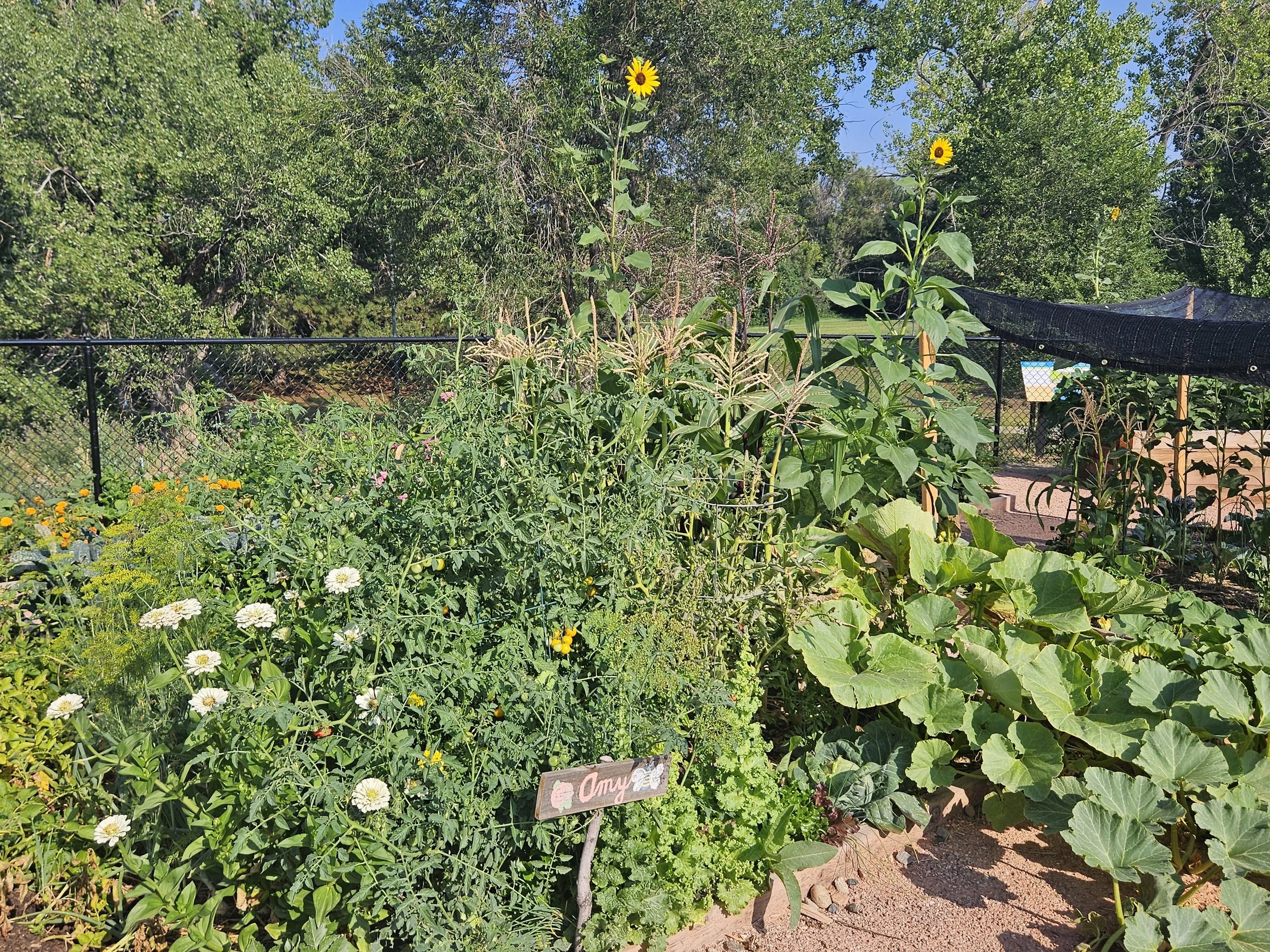
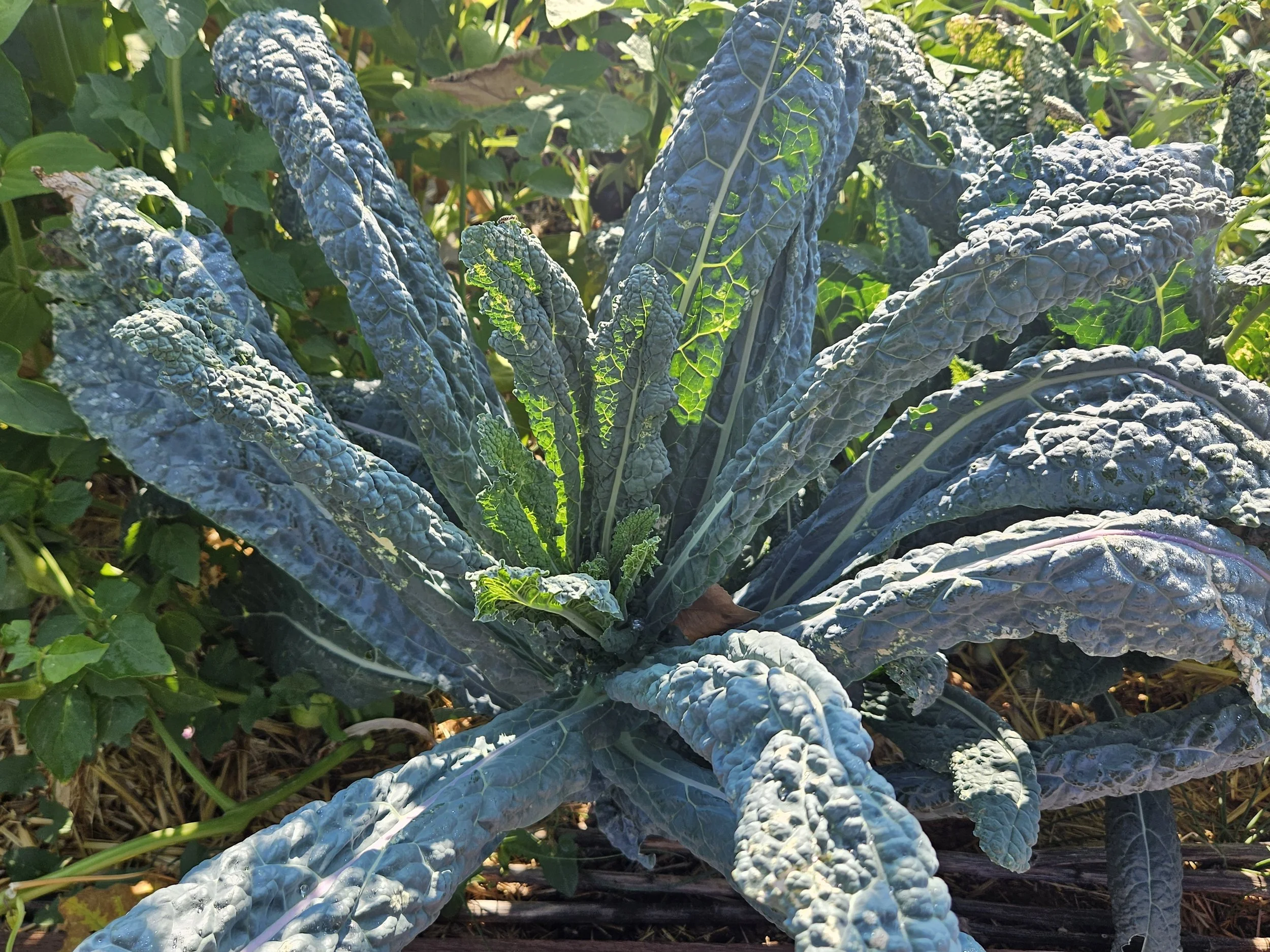
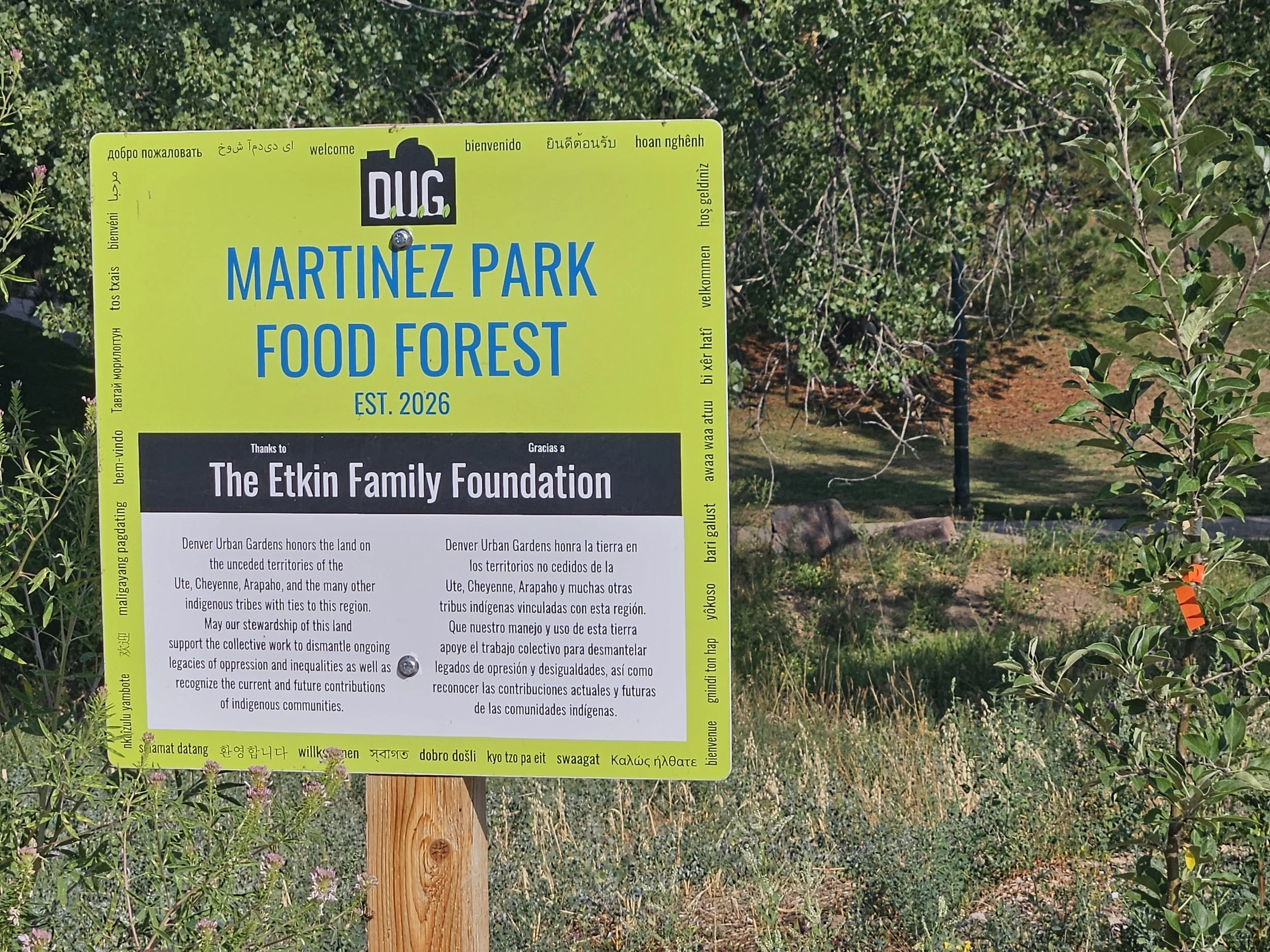
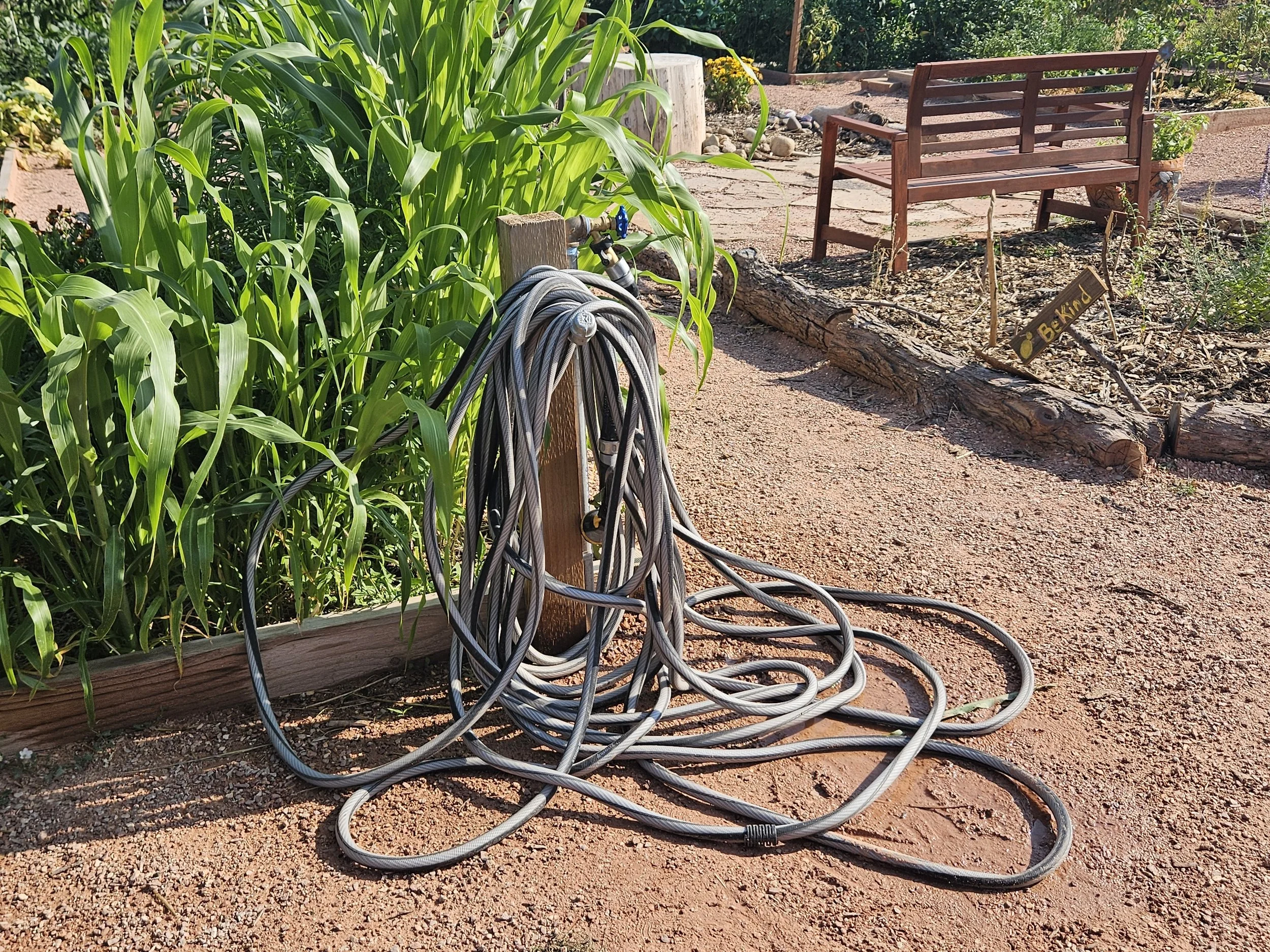
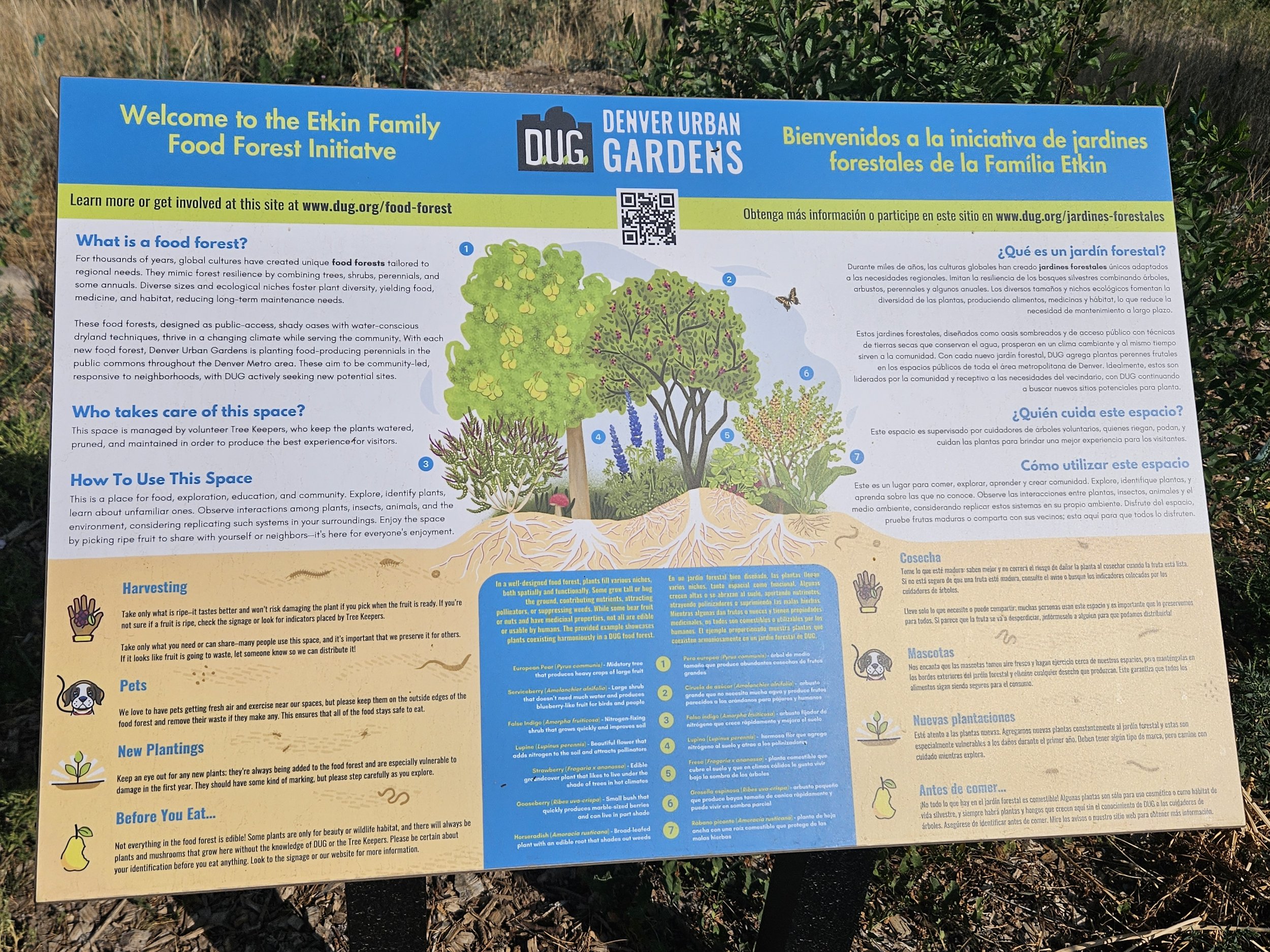
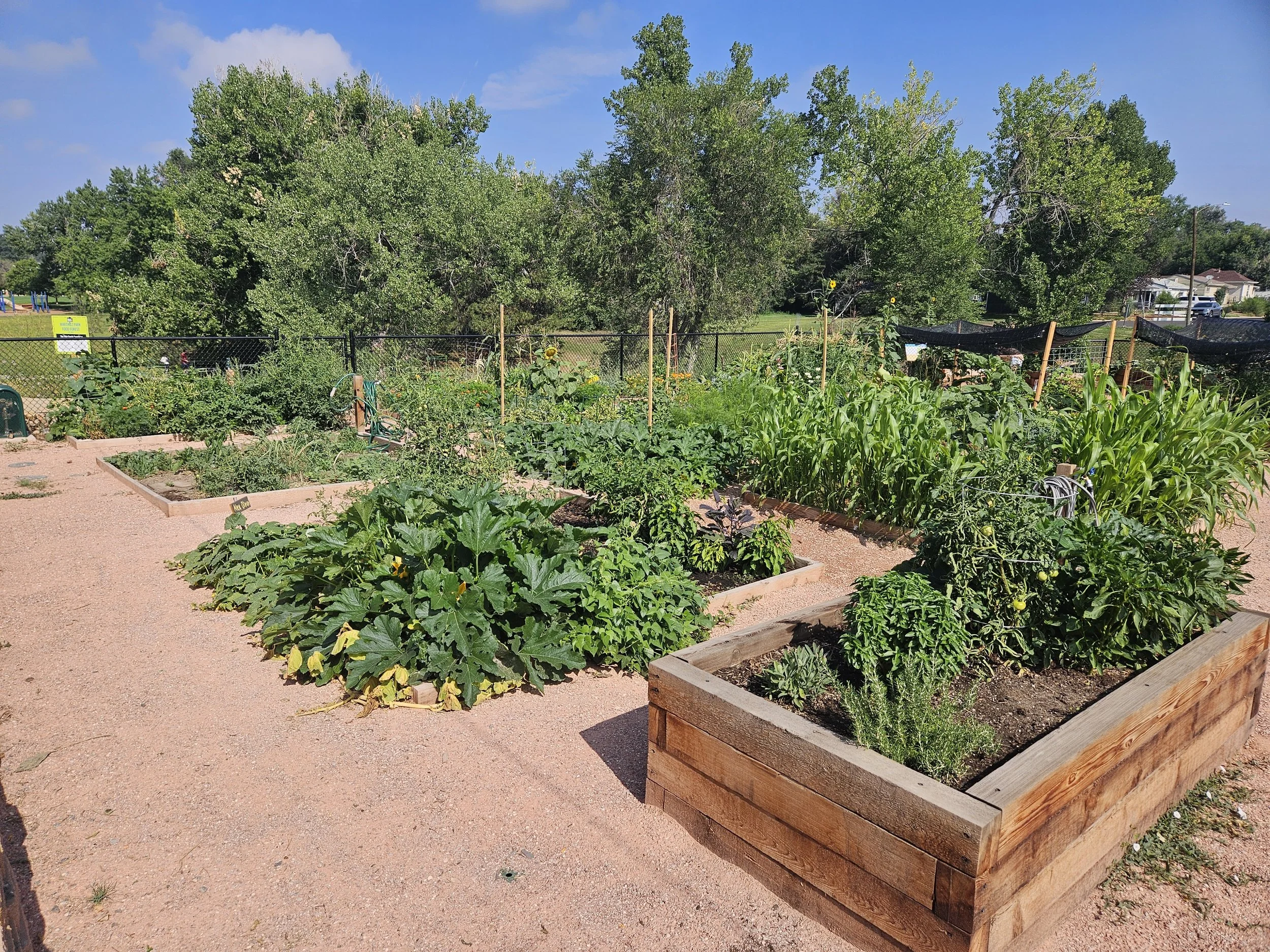
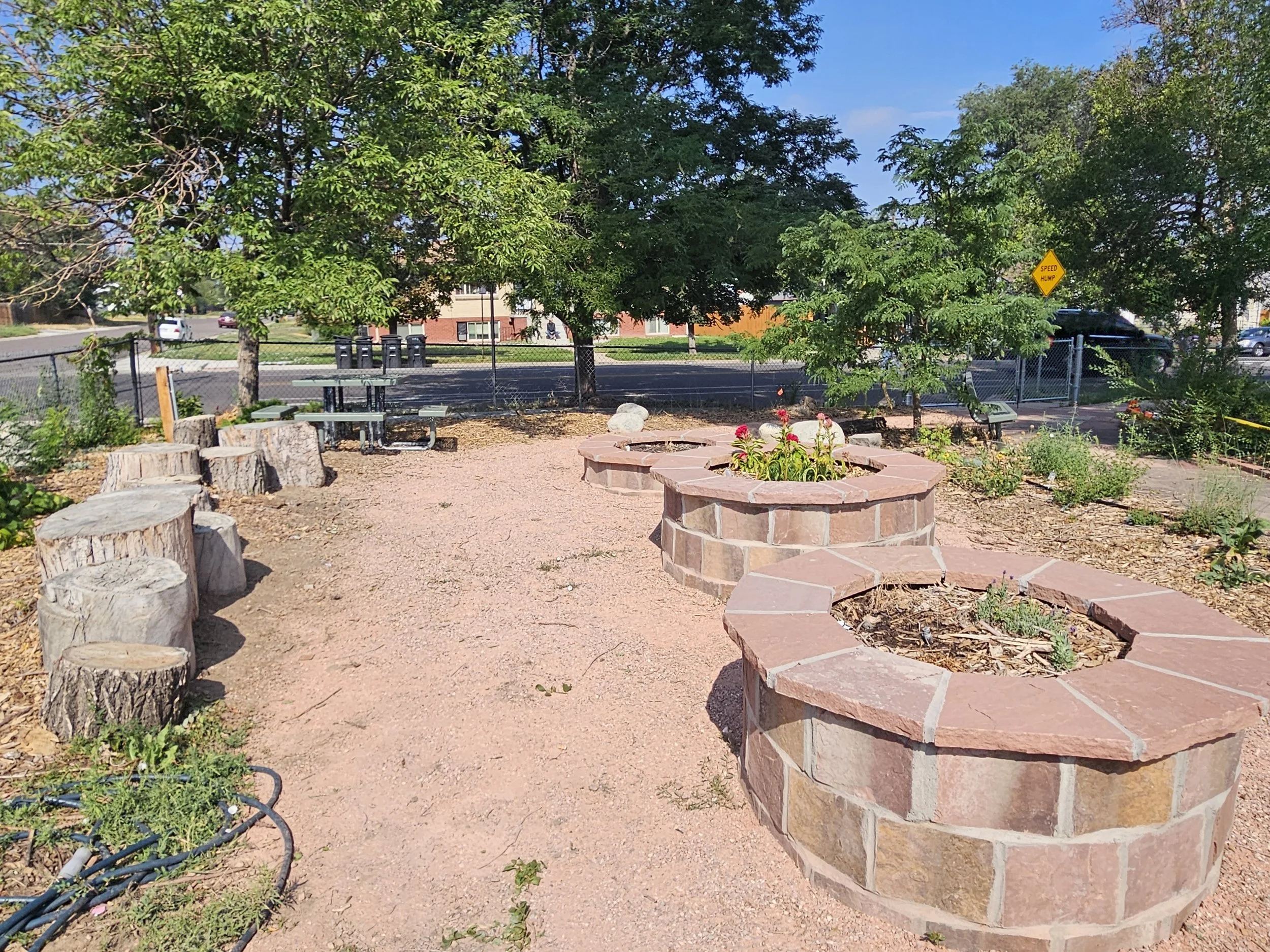
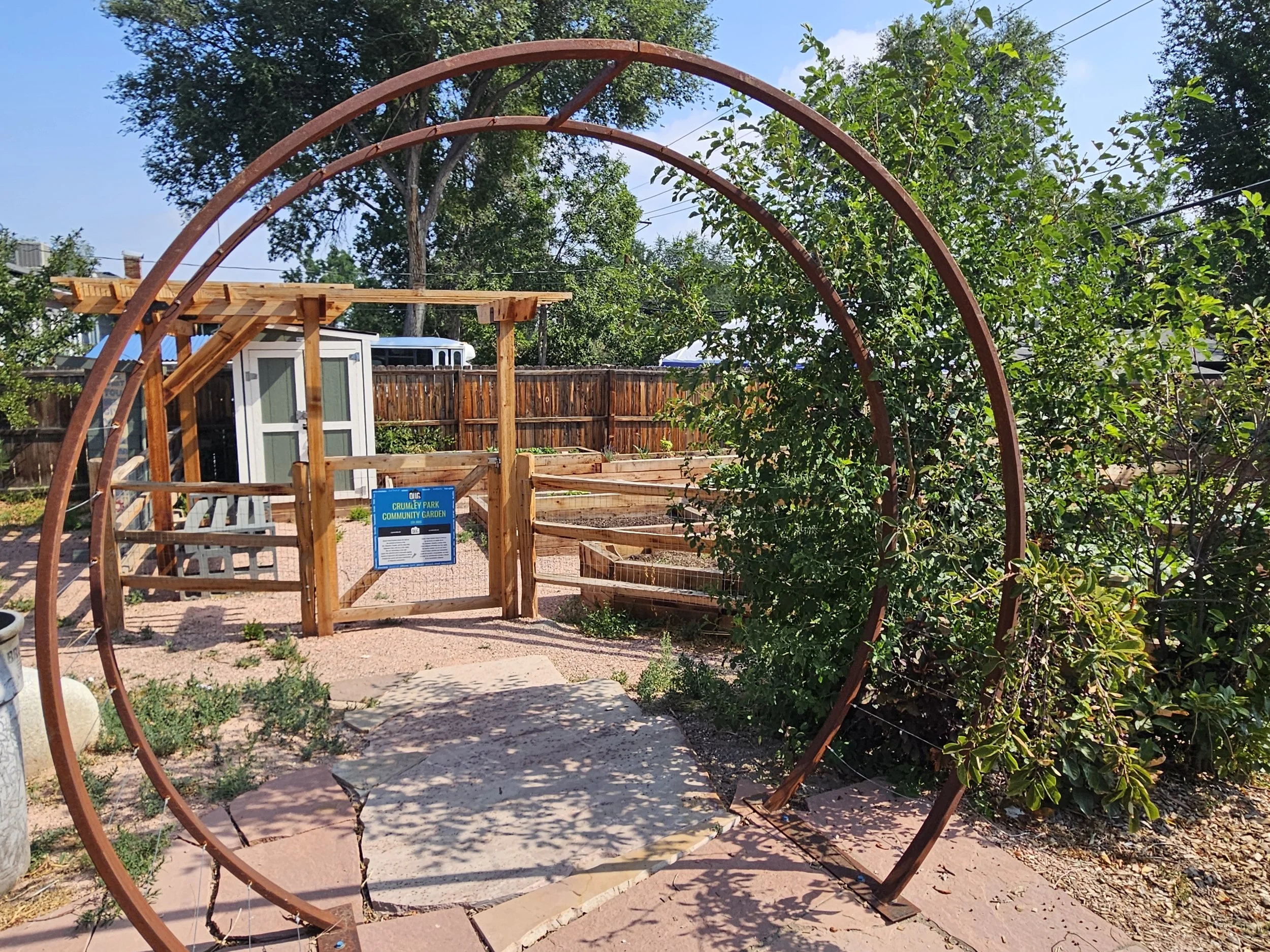
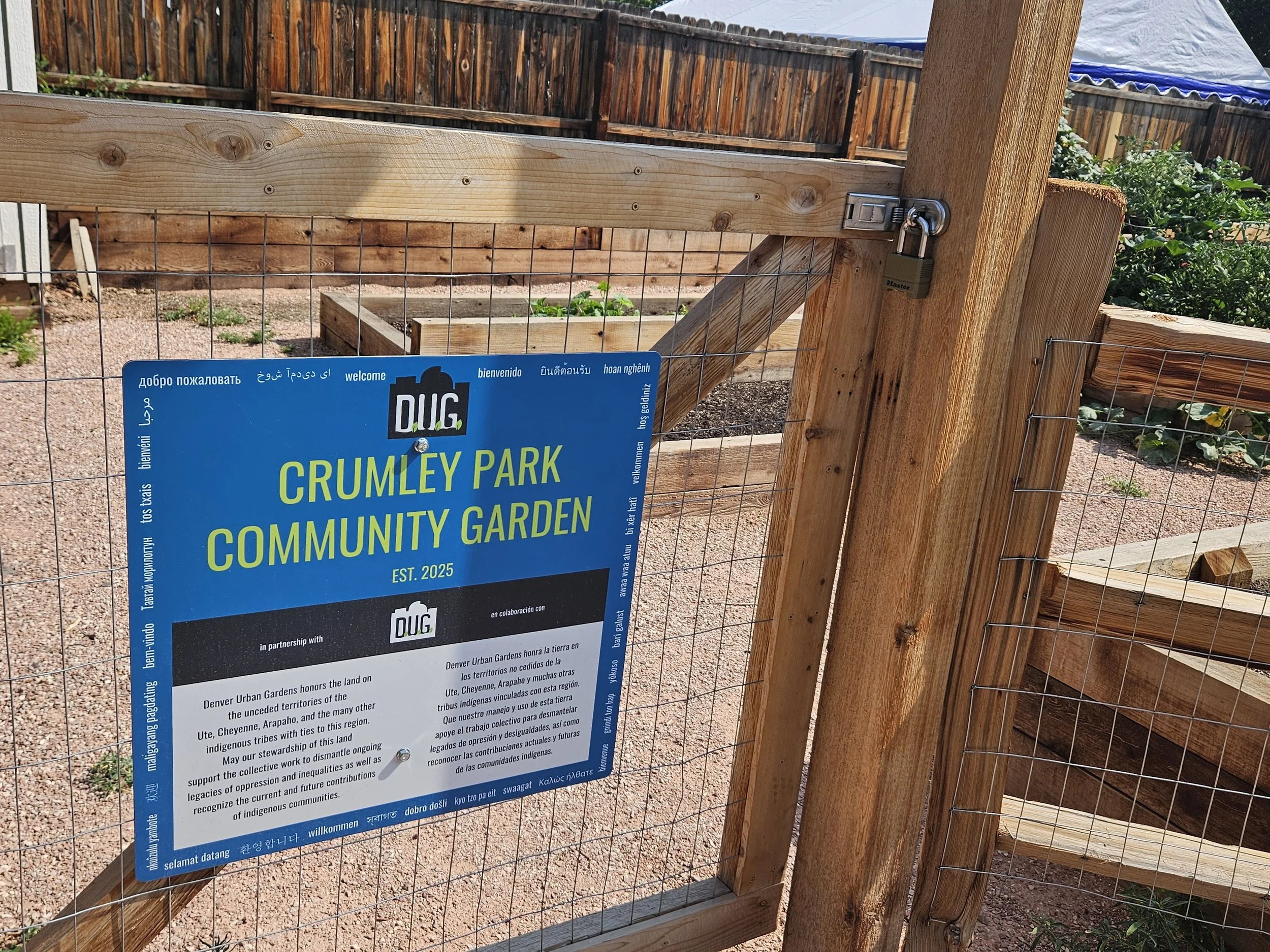
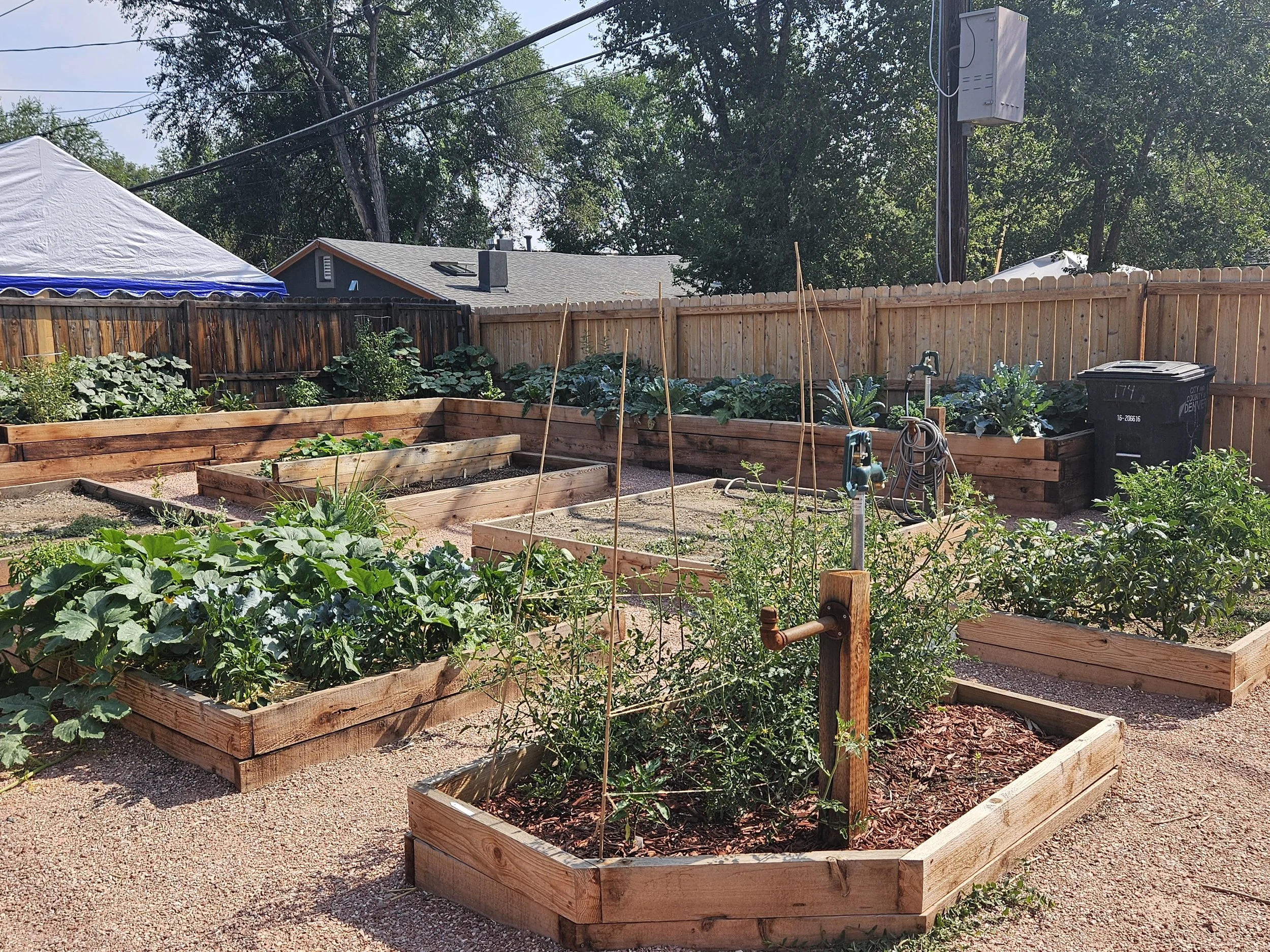
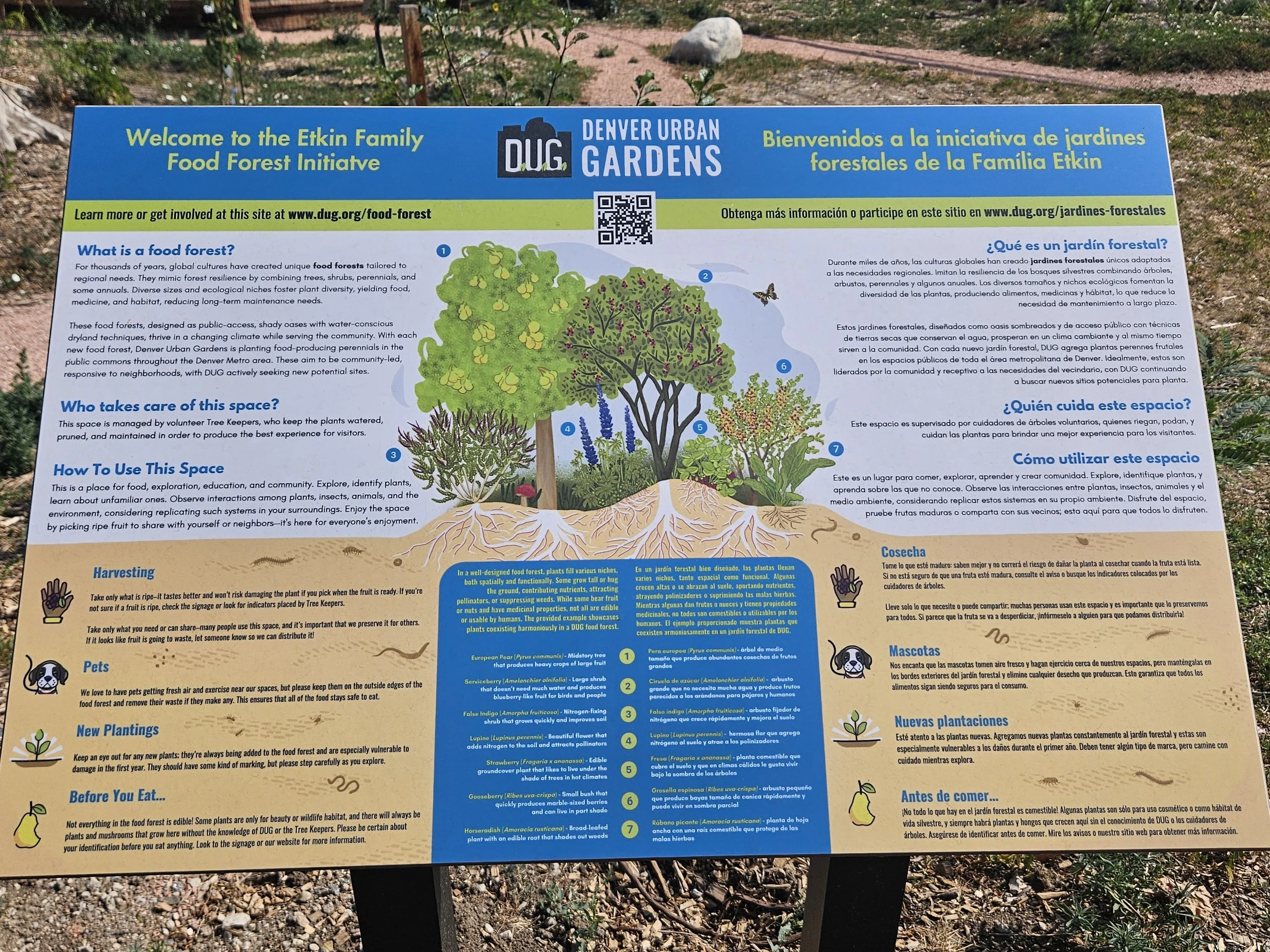
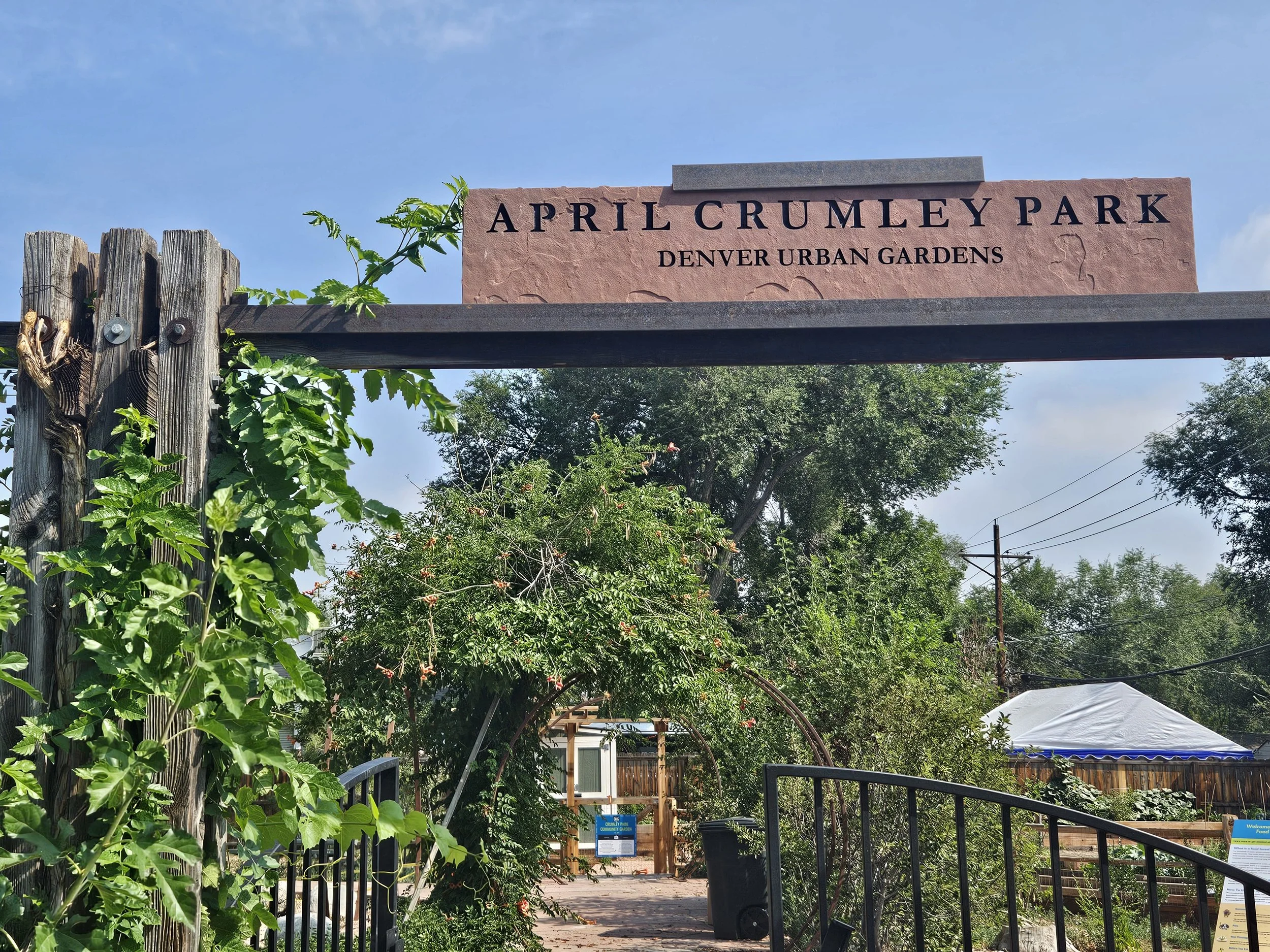
We recently visited two new and thriving community gardens in West Denver that Metro DNA helped to fund. The Martinez Park and Crumley Park Community Food Forests are part of the Dig Deeper in Denver Initiative (DDI).
The Dig Deeper Initiative transformed vacant and used land into community gardens and food forests for food access, climate resilience, and community connection across west Denver neighborhoods. Through site improvements, expanded food-producing landscapes, and community-based education programs, Denver Urban Gardens increased access to fresh food, supported resident leadership, enhanced biodiversity, and strengthened neighborhood resilience to the impacts of climate change, including extreme heat and limited access to green space.
See the photo gallery at the end of this post!
Getting Creative After Funding Challenges
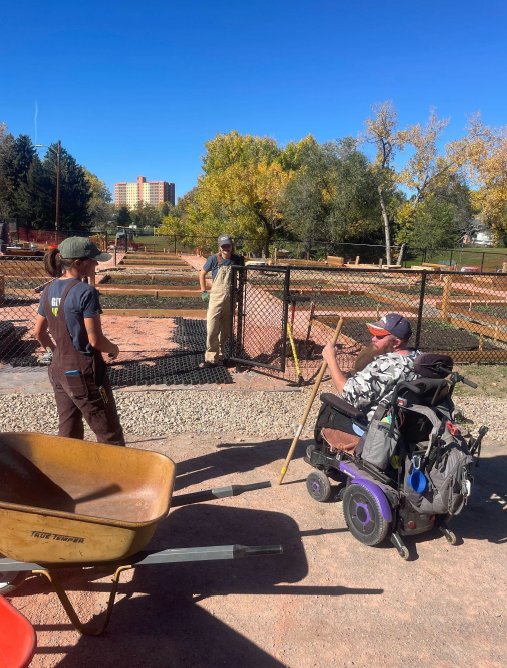
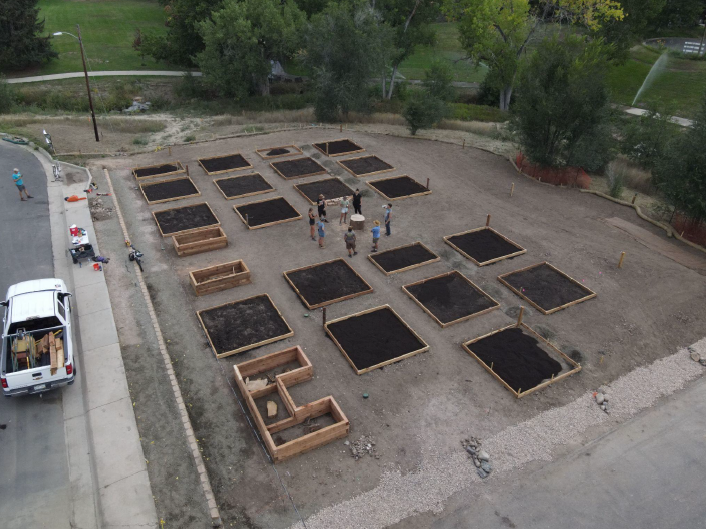
While the project originally envisioned creating six new community gardens, the cancellation of anticipated federal funding required DUG and Metro DNA to thoughtfully adapt the scope of work. Together, we prioritized two transformational projects that will have lasting community impact: Crumley Park, featuring a community garden, food forest, and therapeutic gathering space, and Martinez Park, which includes a new community garden and food forest.
Both projects were identified through the West Area Neighborhood Plan, where residents overwhelmingly prioritized access to green space, healthy food, and places to gather. By expanding community gardens and food forests, the project has increased access to fresh, culturally relevant food while improving shade, air quality, biodiversity, and climate resilience through regenerative agriculture and expanded tree canopy.
Cultivating Community
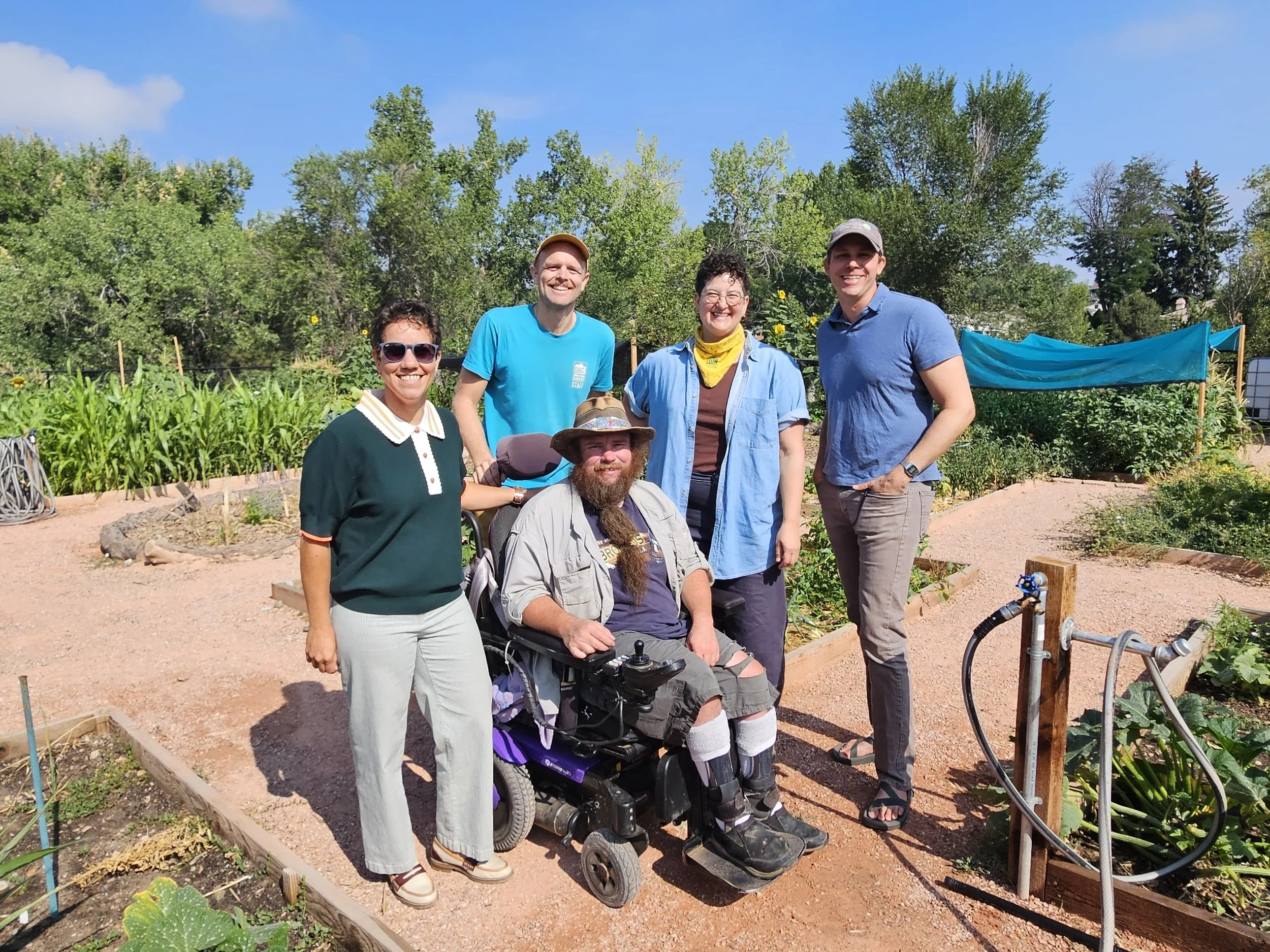
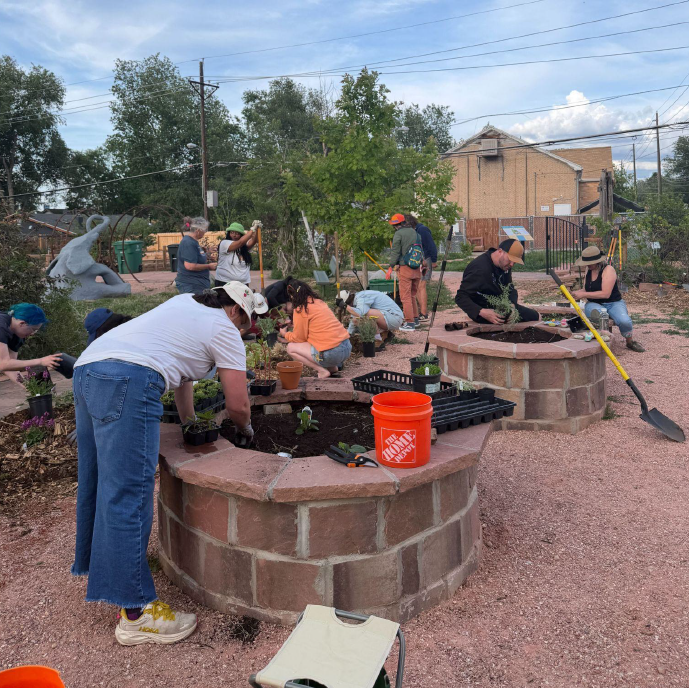
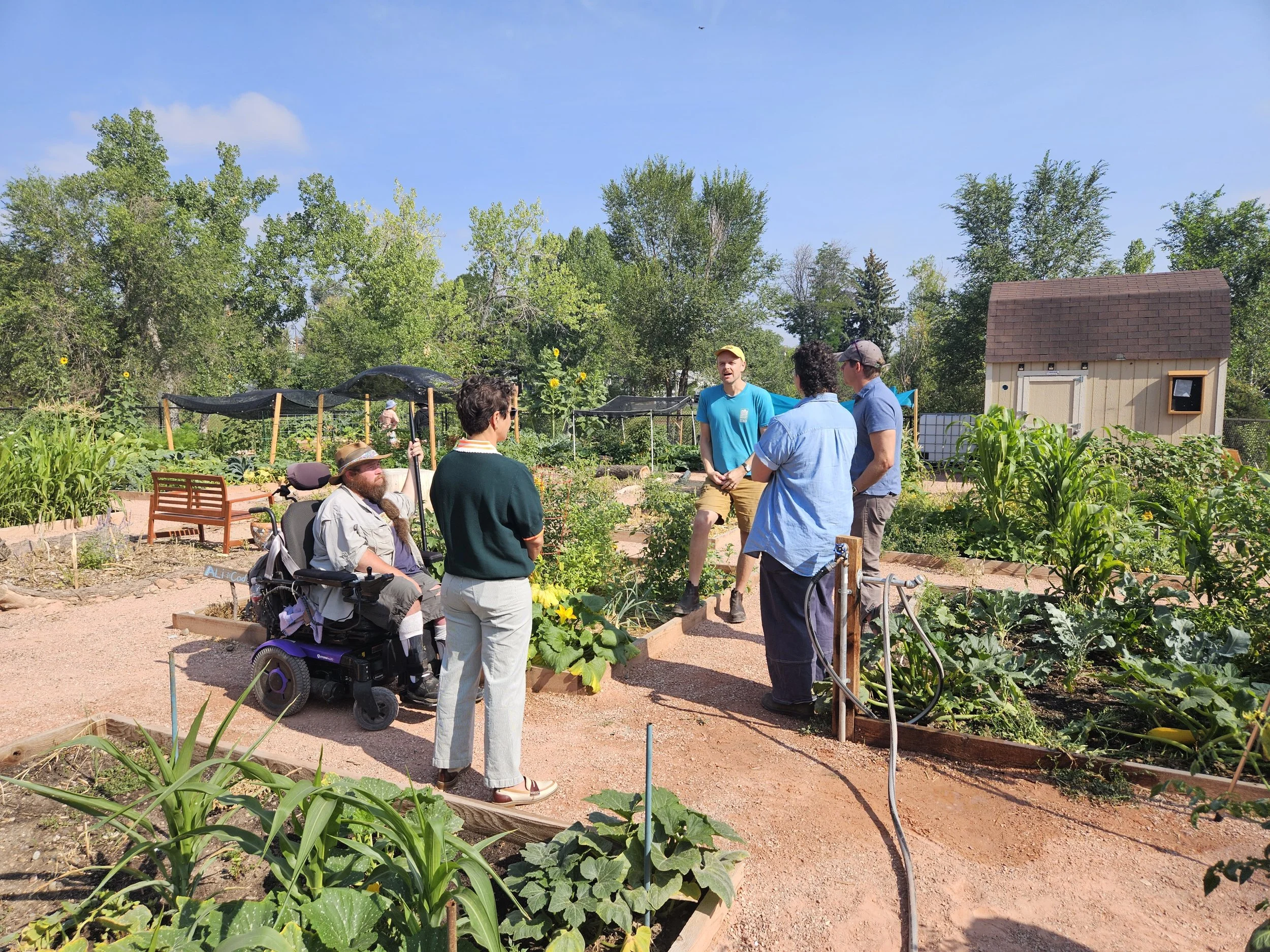
Members of Metro DNA and Denver Urban Gardens
Beyond the environmental benefits, these spaces strengthen community connections and neighborhood leadership. Through DUG's Garden Leader and Tree Keeper programs, residents actively steward these gardens and food forests, ensuring they remain vibrant community assets for years to come. By centering community voices and investing in neighborhood-led solutions, these projects are helping build healthier, more resilient, and more equitable neighborhoods across West Denver.
Equity and Conservation Outcomes
DUG estimates that each community garden plot directly benefits four people. With 28 plots at Martinez Park and 30 plots at Crumley Park, these two community gardens will provide direct access to fresh, healthy food and green space for approximately 230 residents. In addition, the food forests at both sites are expected to benefit an estimated 400 additional neighbors each year by providing free, publicly accessible fruit, shade, habitat, and welcoming community gathering spaces.
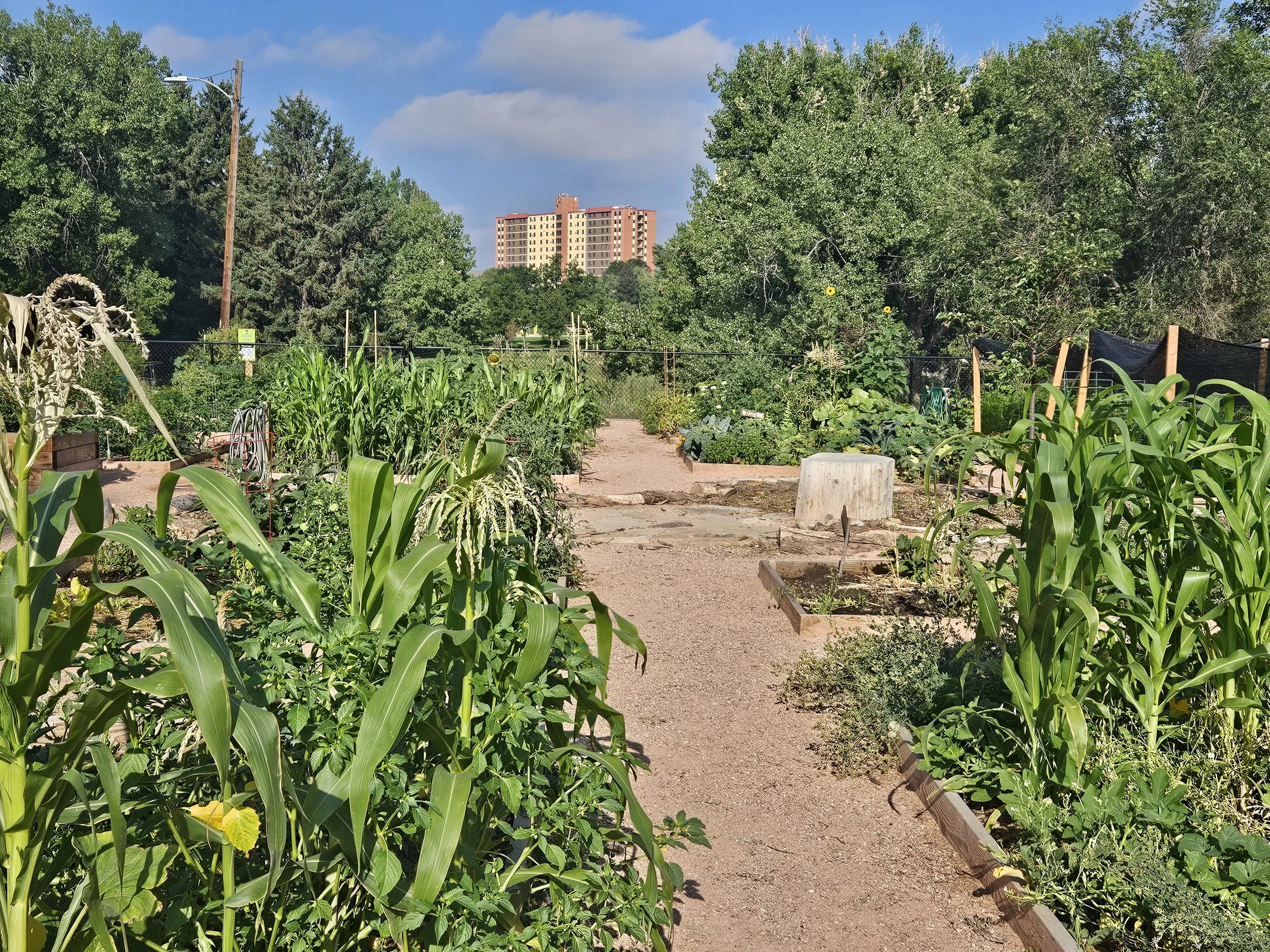
The Martinez Park Community Garden and Food Forest spans an estimated 15,000 square feet on the park's southeast side. Crumley Park encompasses approximately 17,000 square feet, including a community garden, food forest, therapeutic gathering space, and donation plots. Together, these two projects created nearly 32,000 square feet (approximately three-quarters of an acre) of productive green space for West Denver residents.
Impacts Related to Regional Equity Assessment
Advance Environmental Justice: Martinez Park and Crumley Park were prioritized through the West Area Neighborhood Plan, where residents identified the need for more nature, gathering spaces, and opportunities to grow fresh food. These projects help repair historic disparities by investing in neighborhood-led solutions that improve environmental conditions and community health.
Nature Connection: Both food forest sites are based on permaculture principles where reciprocity, integrity and respect are centered. The volunteer tree keepers from the community are trained and educated with these principles in mind.
Diversify Leadership: Both sites center community leadership by engaging local and representative residents as stewards of these spaces through DUG’s Garden Leader and Tree Keeper programs.
Design for Well-being: Martinez Park and Crumley Park provide spaces that support physical and mental health while addressing key social determinants of health through improved food access, climate resilience, and opportunities for neighbors to gather and build relationships.
Enable Accessibility: Both sites were designed with community input as inclusive community spaces where residents of different ages, abilities, backgrounds, and gardening experiences can participate. Through accessible gathering areas, therapeutic garden elements at Crumley Park, donation plots, and opportunities for hands-on engagement, these spaces reduce barriers to connecting with nature.
Ensure Easy Access: Both sites increase access to nature by bringing community gardens, food forests, and green spaces directly into West Denver neighborhoods. By creating nearly 32,000 square feet of productive green space, the project provides residents with nearby opportunities to experience the health, environmental, and social benefits of nature without needing to travel outside their communities.
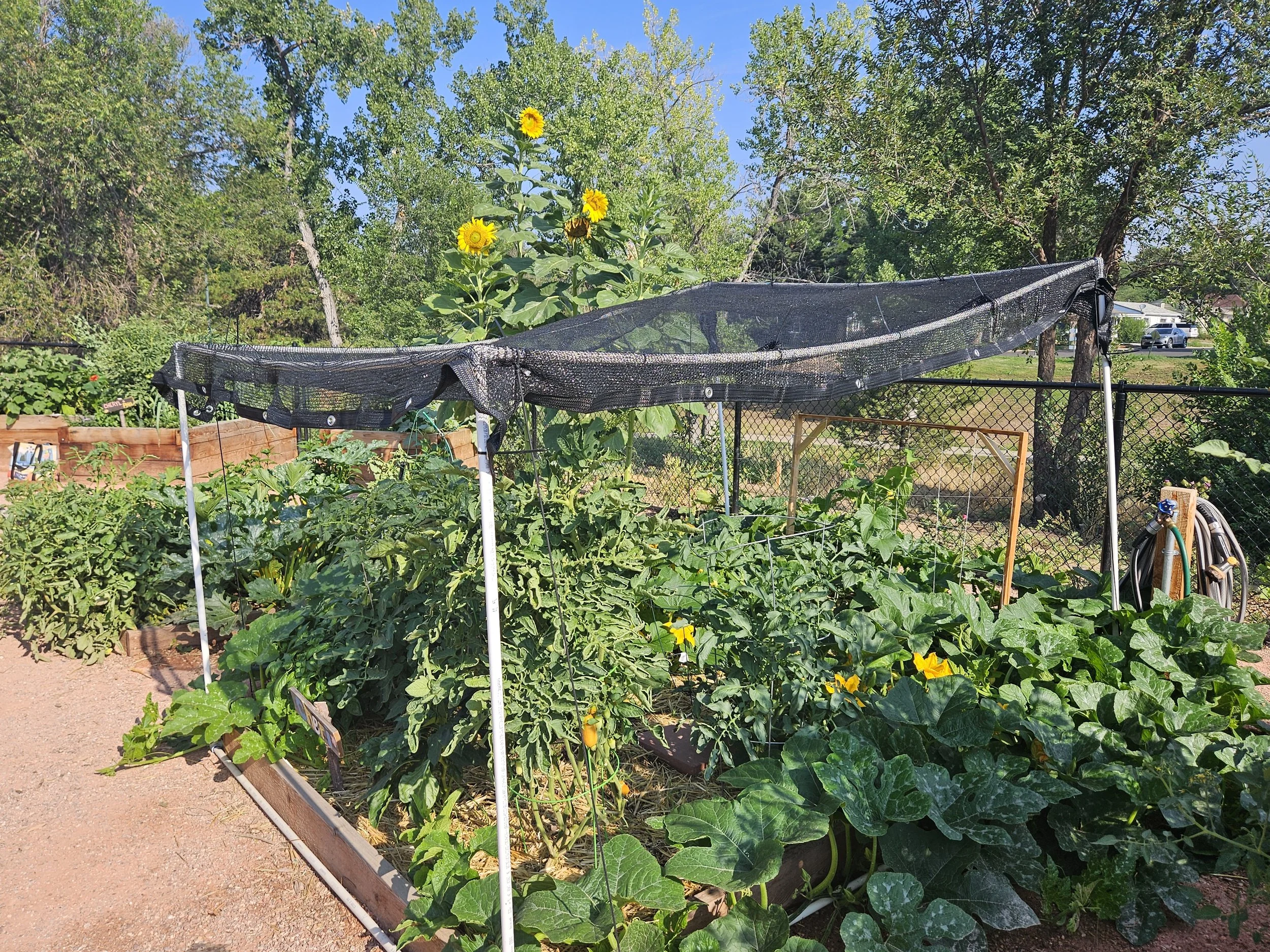
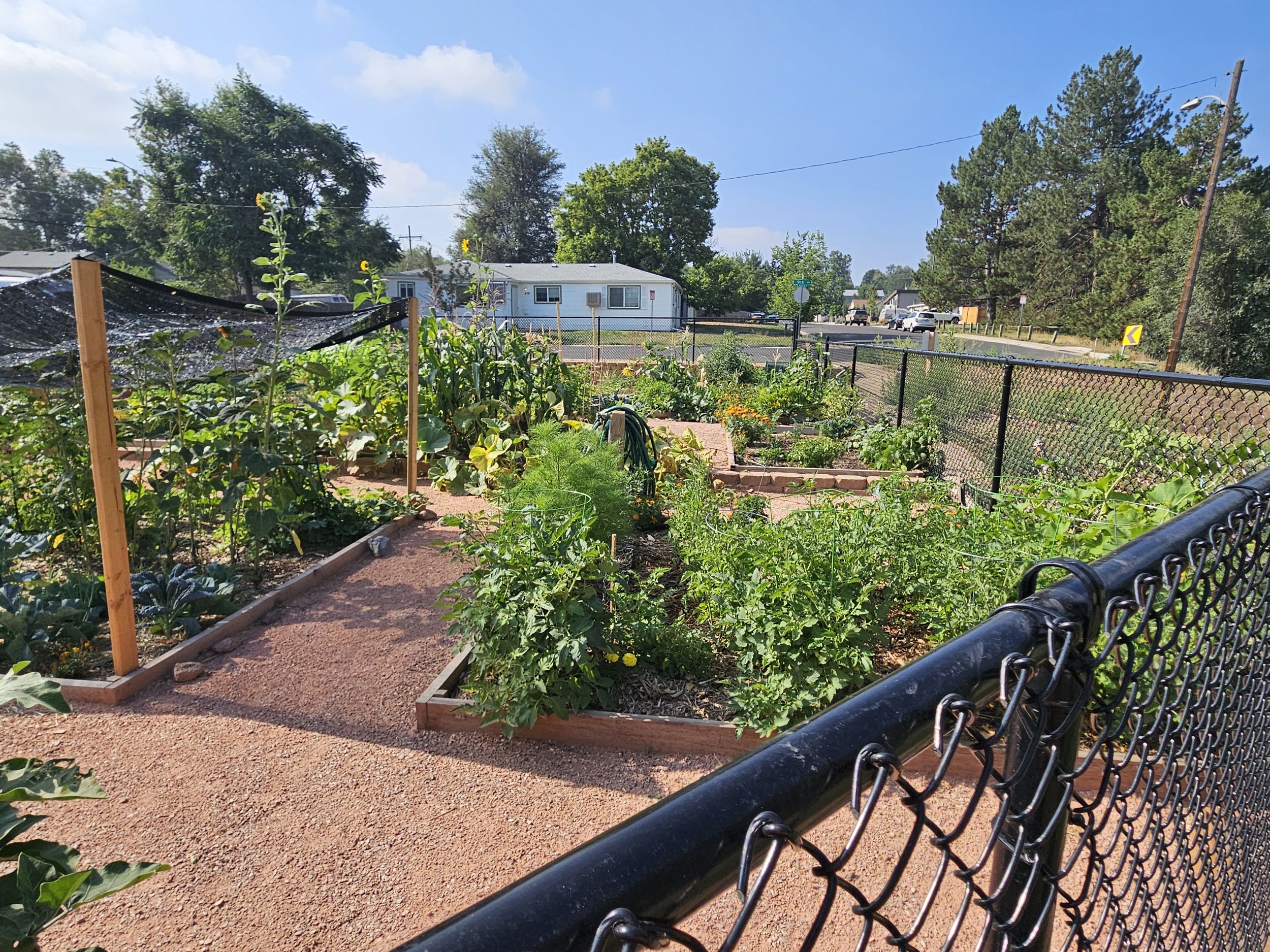
Shade over a garden plot at Martinez Park
The Challenges of Balancing Equity and Conservation
The biggest challenge DUG faced was adapting the project after the loss of anticipated federal funding, which meant shifting from six planned sites to two. With support from Metro DNA they decided to move forward with the project and to ensure that limited resources could have the greatest impact. This allowed them to invest more deeply in Martinez Park and Crumley Park, creating spaces that bring together food access, environmental stewardship, climate resilience, and community connection.
A key takeaway has been that lasting conservation depends on investing in people as much as the land itself. By supporting residents through DUG’s Garden Leader and Tree Keeper programs, we are helping build the local knowledge, relationships, and leadership needed to care for these spaces for years to come.
Filling in Funding Gaps
After the loss of anticipated federal funding, Metro DNA’s support allowed the flexibility to pivot and focus resources where they could have the greatest impact. This allowed DUG to move forward with two critical projects while continuing to support the Villa Park and Barnum neighborhoods of West Denver.
One of the most valuable aspects of this funding was the ability to support staff time. While many grants provide essential funding for materials and construction, having resources for the people who coordinate, build relationships, engage residents, and manage the project was incredibly important. Metro DNA’s support allowed DUG to maintain momentum and deliver these much-needed community spaces without significant delays.
Additionally, the USDA provided funding for the two projects, as did Tito’s Handmade Vodka and Denver Water.
Unanticipated Benefits and Lessons Learned
One unexpected benefit of the project was that the loss of anticipated federal funding provided the opportunity to slow down and take a more intentional approach. Rather than moving quickly to complete six smaller projects, DUG was able to focus their resources on creating two deeper, more impactful community spaces in areas of West Denver where they were most needed.
This additional time allowed DUG to engage landowner partners and community members more meaningfully throughout the process, strengthen relationships, and incorporate more thoughtful design elements, including the use of reclaimed materials. With a larger number of projects moving forward at once, DUG may not have had the capacity to build this level of collaboration and creativity into each site.
A key lesson learned is that investing time in community engagement and strong partnerships leads to more sustainable and meaningful outcomes. DUG has expressed that if they were to approach the project again, they would continue prioritizing this level of collaboration and intentional planning from the beginning.