The Buzz Around a Longmont Pilot Pollinator Project
Special thanks to the following contributors to this article: Rachel Brett with Thorne Nature Experience, Taylor Gifford with the City of Longmont Natural Resources, and Anna DeGolier with Wildlands Restoration Volunteers.
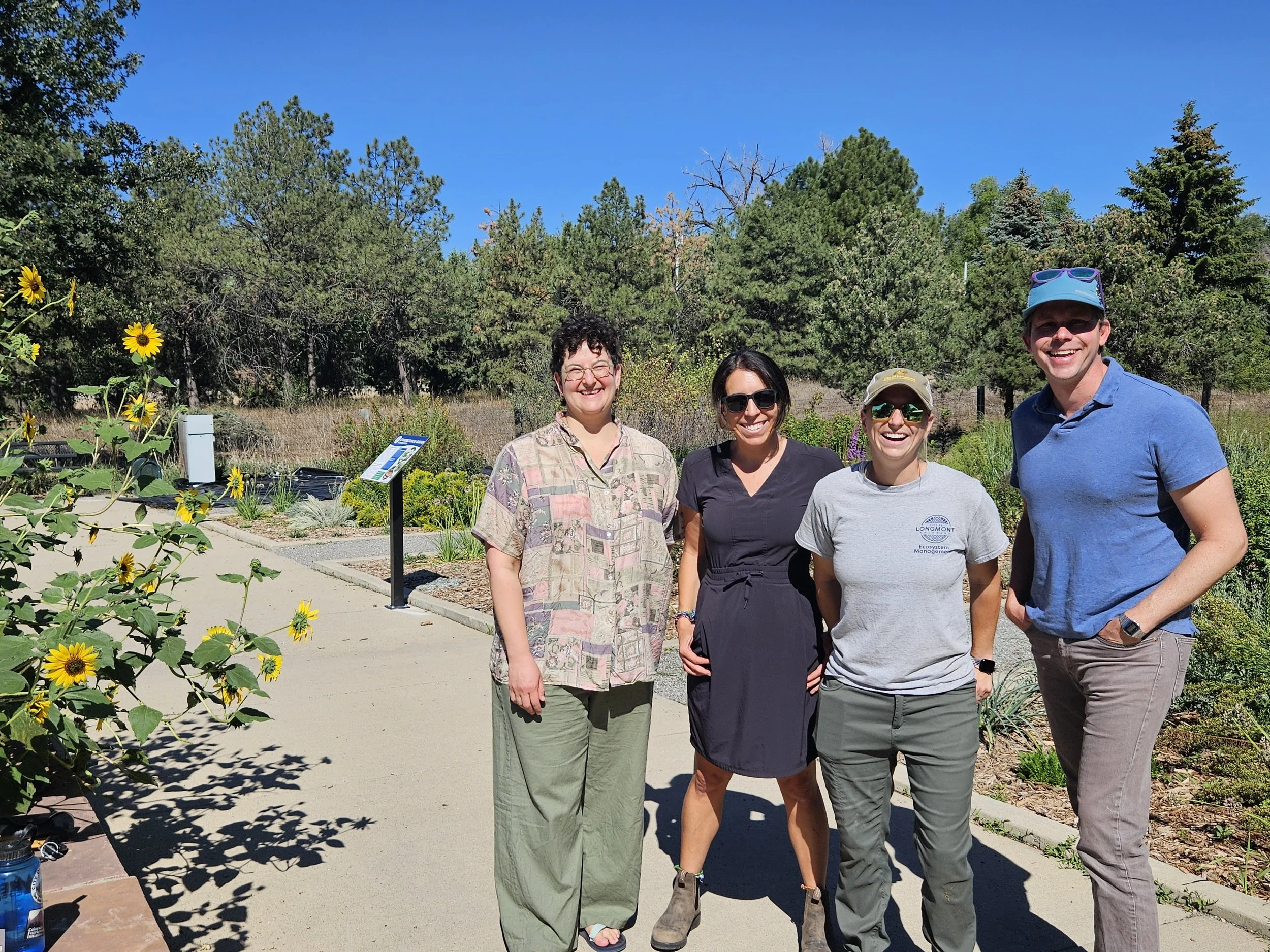
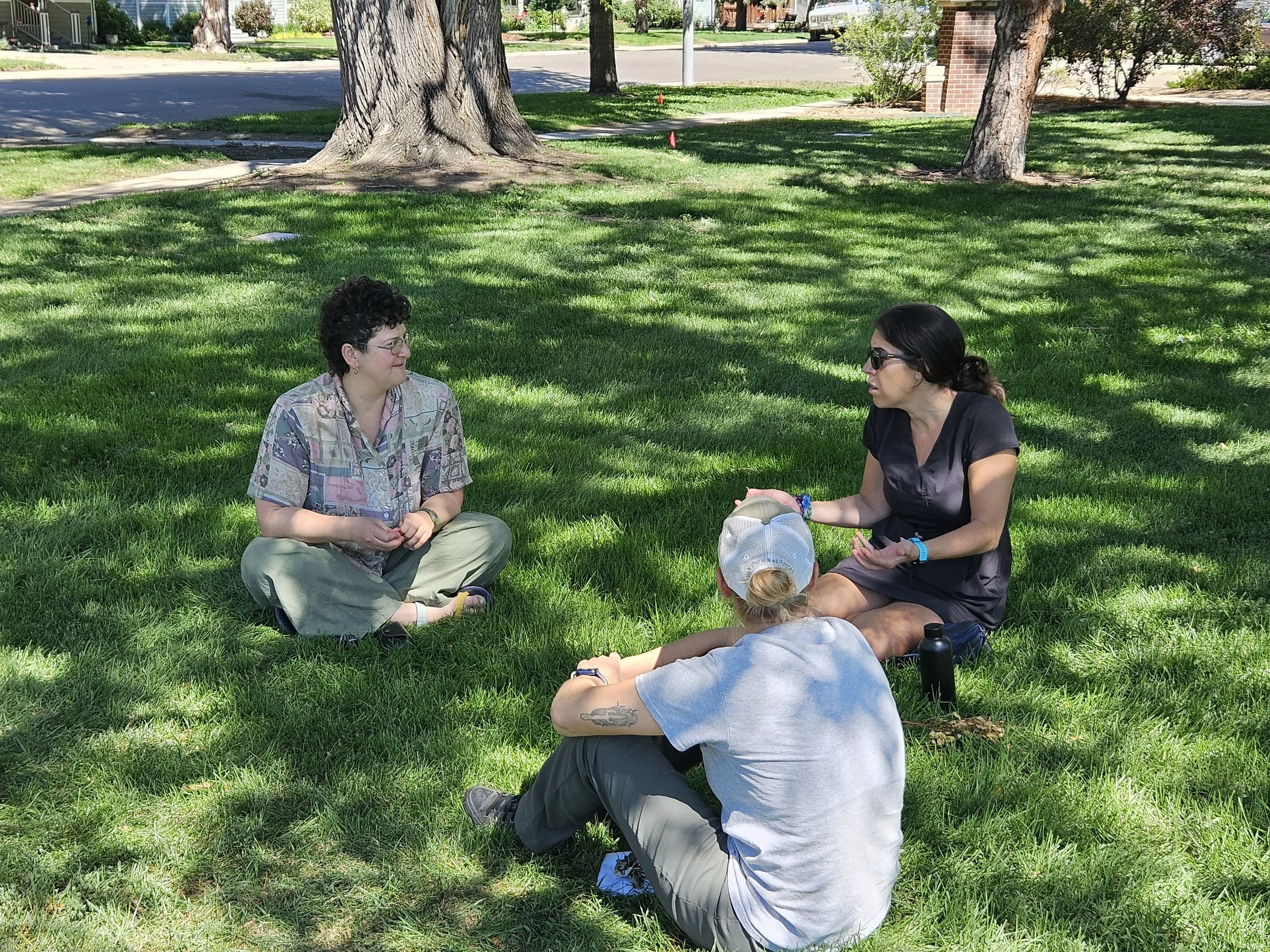
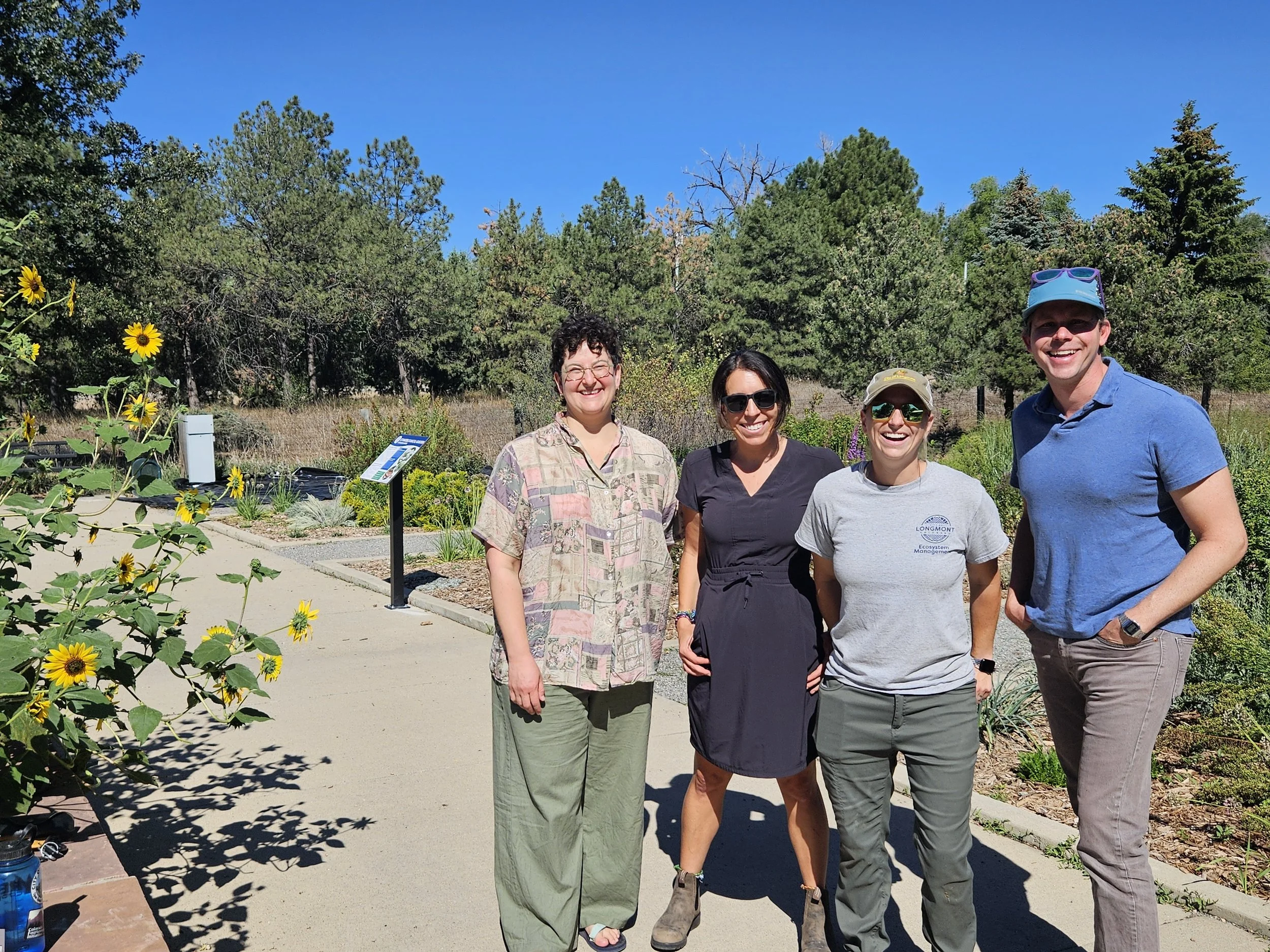
Metro DNA staff and Executive Committee members were excited to see the progress of pollinator projects in Longmont during August 2026. Two site visits took us to Rogers Grove Park and the Memorial Rose Garden at Roosevelt Park.
These projects focused on engaging youth and families who have historically faced barriers accessing nature and outdoor programming. The projects centered on engaging families in three stewardship projects supporting the development of a new pollinator garden in partnership with the City of Longmont Open Space and Wildlands Restoration Volunteers (WRV). In addition, families participated in three Open Space Explorations to increase connection and sense of place, and WRV also offered a paid Restoration Leadership training for those who were most interested.
This project took place within the context of the launch of Nature Kids/Jóvenes de la Naturaleza Longmont, so that participating families had access not just to these programs but to free youth summer camps, bilingual camping trips, skill workshops such as fishing and archery, and much more.
Engaging Hispanic/Latinx and Low-Income Families in Boulder County
Nature Kids engages Hispanic/Latinx and low-income families from across Boulder County, with the majority coming from Lafayette and Longmont (this project focused on Longmont). Nature Kids specifically serves youth and families who have faced barriers to participation in the outdoors. For many participants, these barriers are financial, but it is recognized that systemic injustices have also limited access for others, including People of Color, regardless of financial well-being. As a result, while income verification isn’t required to participate in Nature Kids, it is estimated that over 80% of participants qualify for free- or reduced-cost lunch, housing assistance, or other forms of government support. Moreover, over 95% of Nature Kids participants identify as a race other than White, and over 80% speak a language other than English at home (primarily Spanish). Programs are primarily located near Title I schools and high poverty census tracts.
The Pollinator Project Sites
The two pollinator project sites were selected based on five primary considerations:
Community access: Both sites are located in accessible, well-used areas near downtown and central Longmont, making them easy to reach for residents participating in bilingual family programming. A partnership with WRV helped engage and recruit community members from the neighborhoods surrounding these projects.
Long-term maintenance: Both gardens are located within areas already maintained through the City of Longmont's Volunteer Stewardship Program, ensuring they can be sustainably maintained by staff and volunteers after installation.
High visibility and education: Both sites receive significant public use, providing opportunities to showcase water-wise landscaping, pollinator habitat, and native plants.
Water conservation: Each project supported the City's goal of replacing underutilized landscapes with attractive, low-water plantings.
Existing infrastructure: Both sites already had irrigation and maintenance systems in place, allowing project funding to be focused on plants and installation.
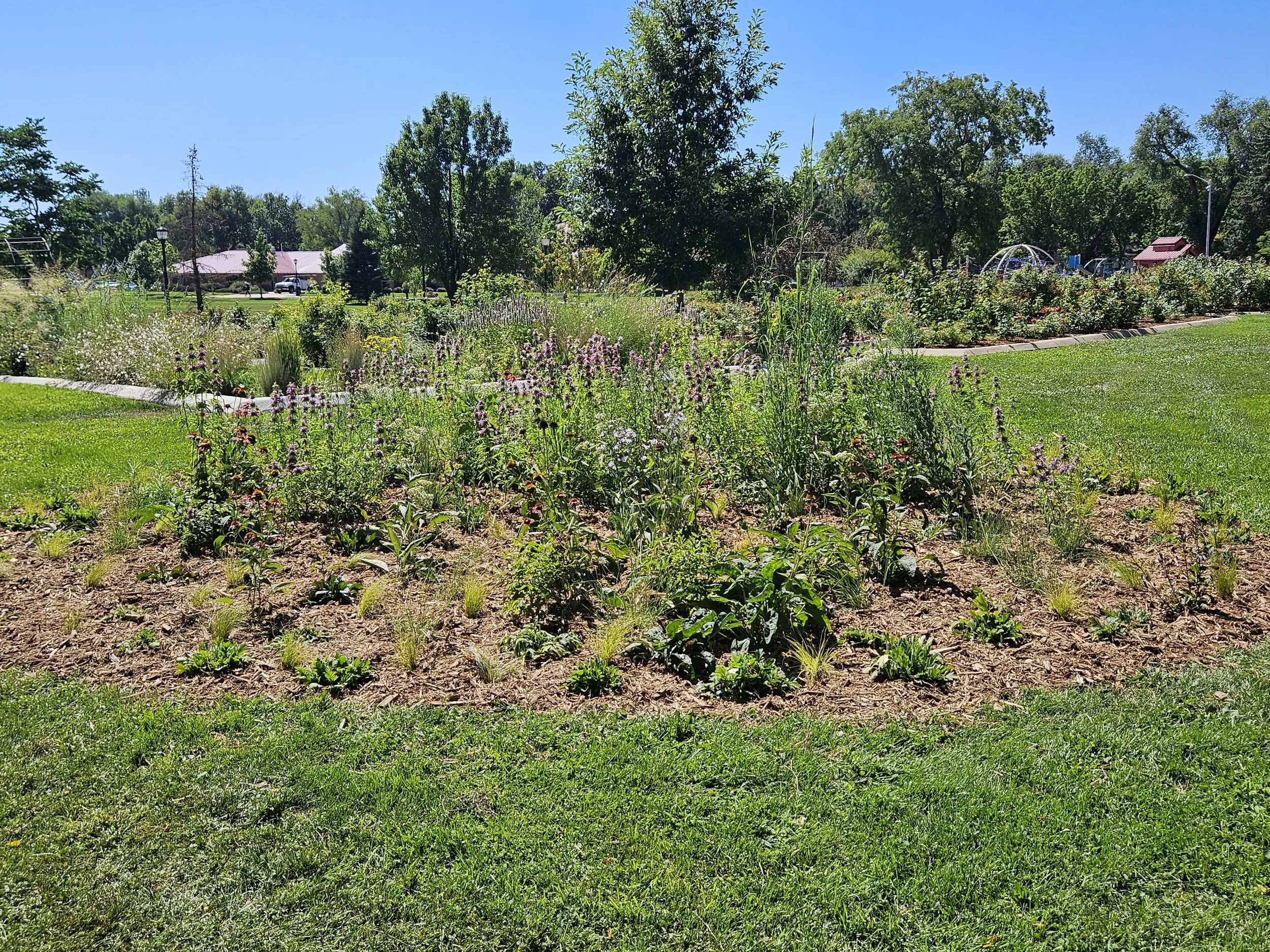
Site 1: Roosevelt Park: Participants converted non-functional turf into pollinator habitat in one of Longmont's highest-use parks. Roosevelt Park is a highly visible downtown location that hosts many of the City's largest community events but contains relatively little pollinator habitat. The park is adjacent to the Memorial Rose Garden volunteer program and the City's horticulturist, allowing for ongoing maintenance and close monitoring of this pilot turf conversion project.
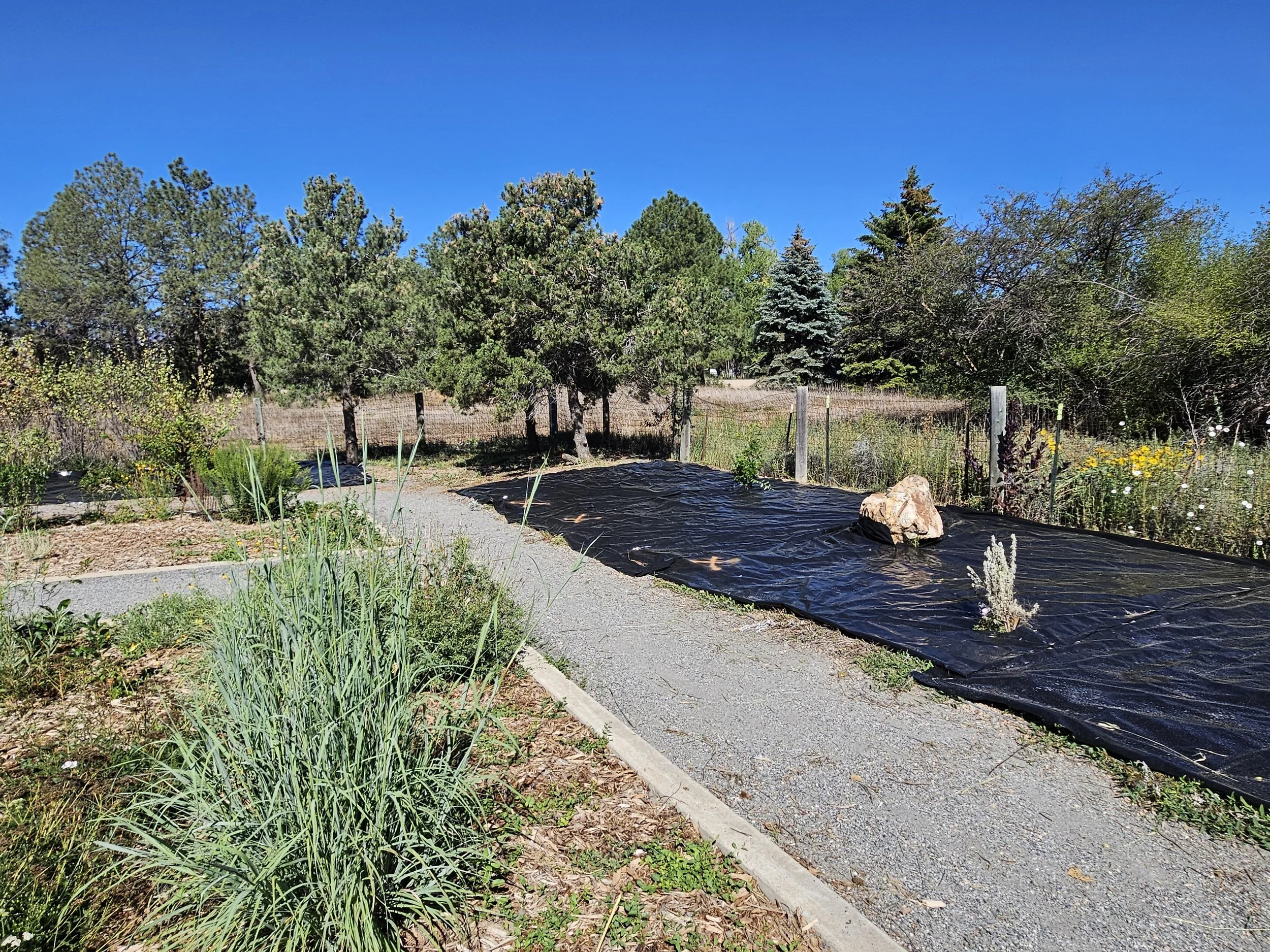
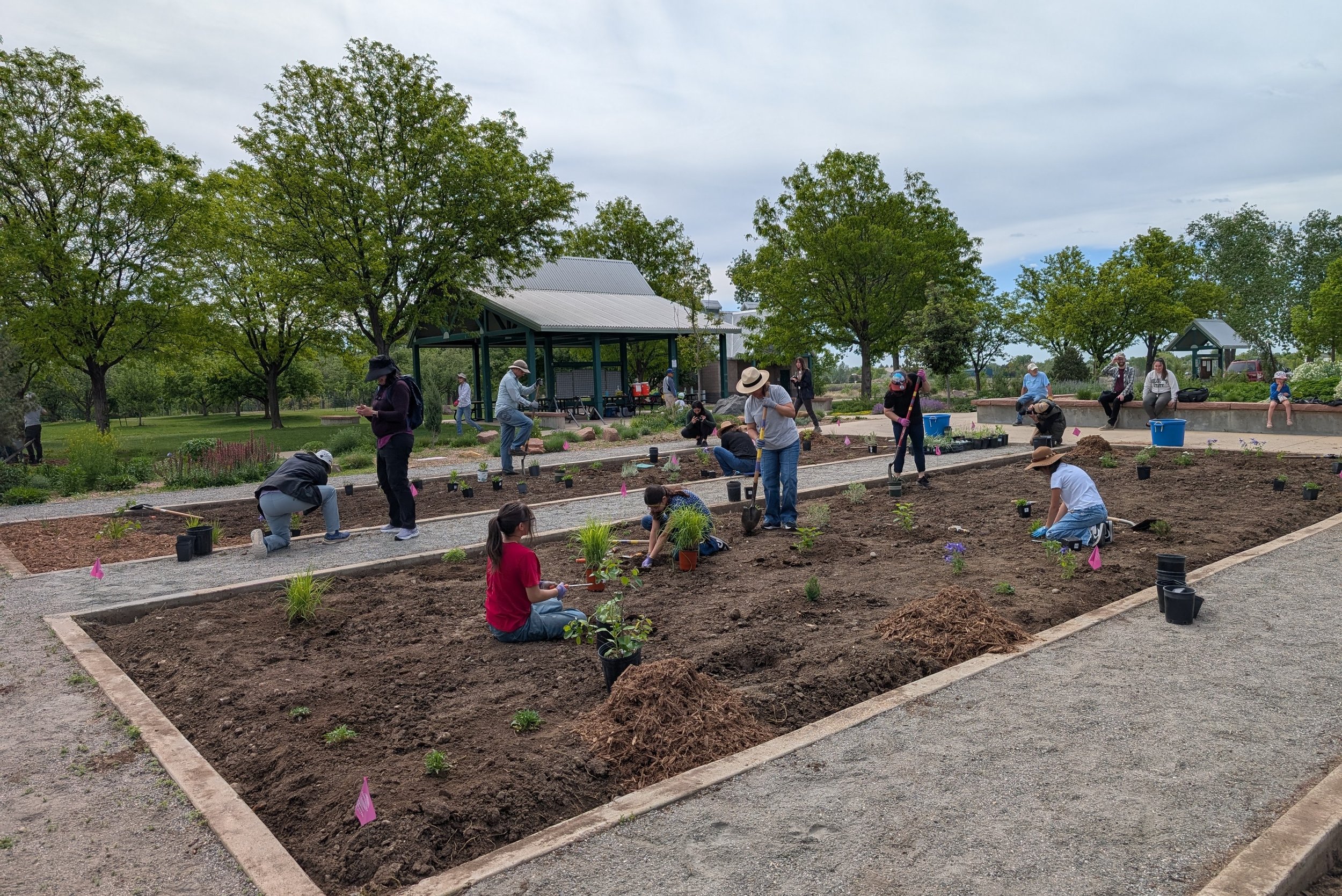
Site 2: Rogers Grove Nature Area: Participants completed three large demonstration garden beds that had remained unfinished for two growing seasons due to lack of funding. Rogers Grove is located adjacent to the Boulder County Fairgrounds in a heavily visited nature area frequently used for environmental education programs and summer camps. Existing pollinator garden irrigation, contract maintenance, and volunteer gardeners were already in place.
Equity and Conservation Project Outcomes
Project 1: Roosevelt Park
The Roosevelt Park project allowed the City of Longmont Parks & Open Space Division to pilot a new approach to turf conversion that addresses several longstanding challenges associated with these projects. While the City has prioritized converting non-functional turf to low-water and pollinator-friendly landscapes, implementation has often been hindered by high maintenance costs, extensive weed pressure, and the difficulty of distinguishing native forbs from weeds during routine maintenance by seasonal staff and contractors.
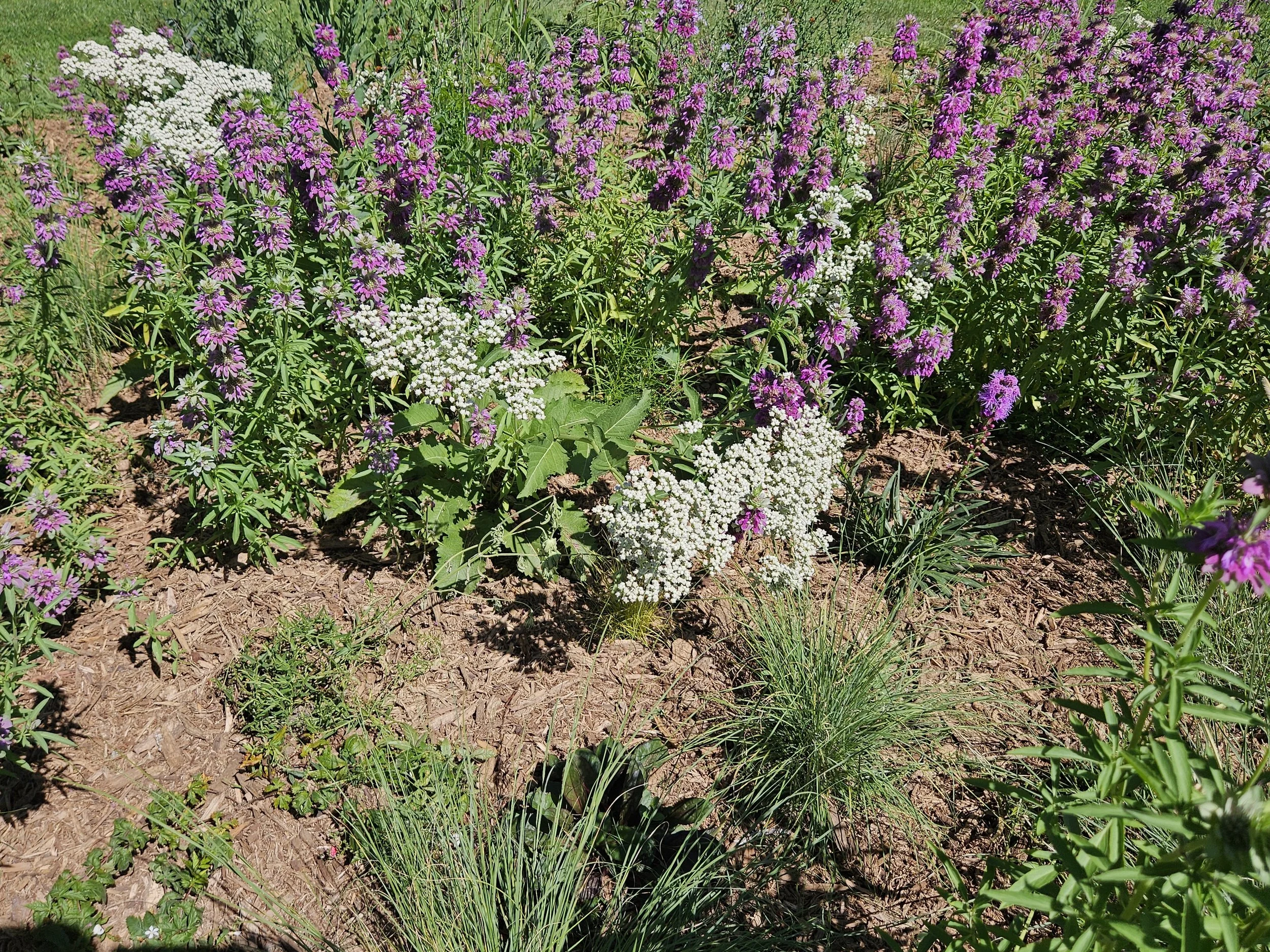
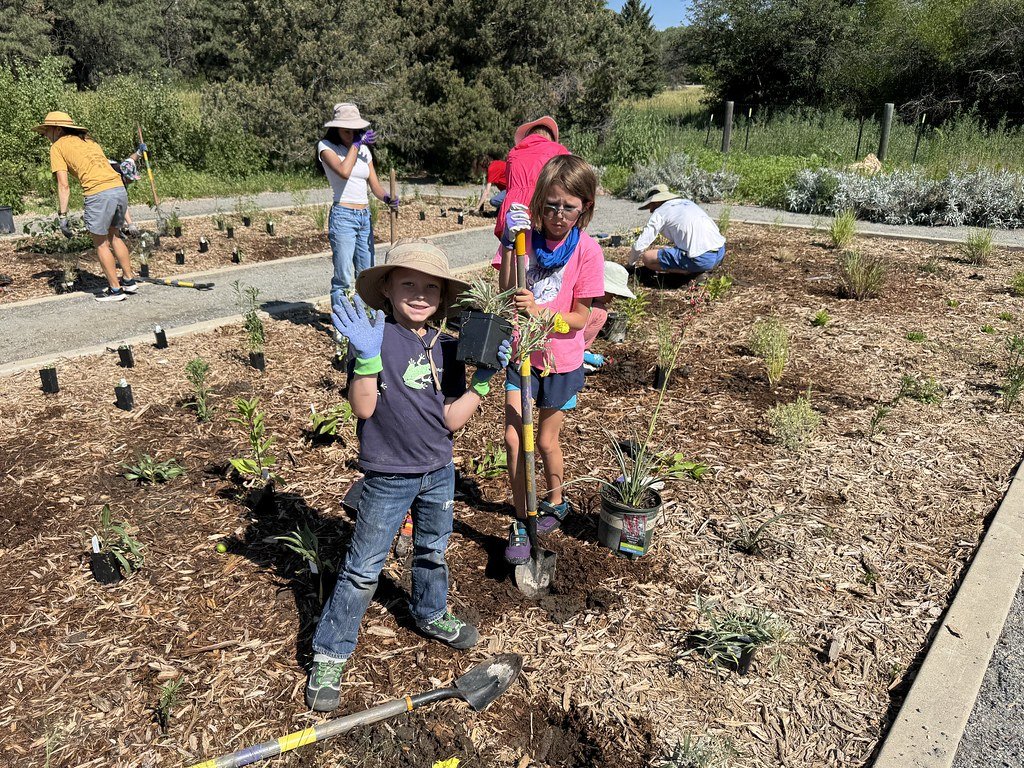
For this project, City Horticulturist Derek Von Drehle tested an alternative installation method. Rather than removing existing sod, the turf was terminated in place and new plants were installed directly into the remaining thatch. This approach significantly reduced the labor required for site preparation while minimizing weed pressure by avoiding exposed or imported soil. The garden was planted densely with a palette emphasizing native grasses and highly recognizable flowering species that are easily distinguished from common weeds, making long-term maintenance more practical. As the planting matures, staff will continue to seed native grass and forb mixes between established plants to create a dense, prairie-style landscape that provides high-quality pollinator habitat while remaining visually distinct and manageable.
Cost savings realized through this approach also allowed the City to expand the project by installing additional pollinator-friendly plantings in a neglected irrigated landscape bed near a busy downtown intersection. Although this space previously provided little ecological value, it now contributes meaningful habitat while increasing plant diversity in a highly visible public location.
Project 2: Rogers Grove
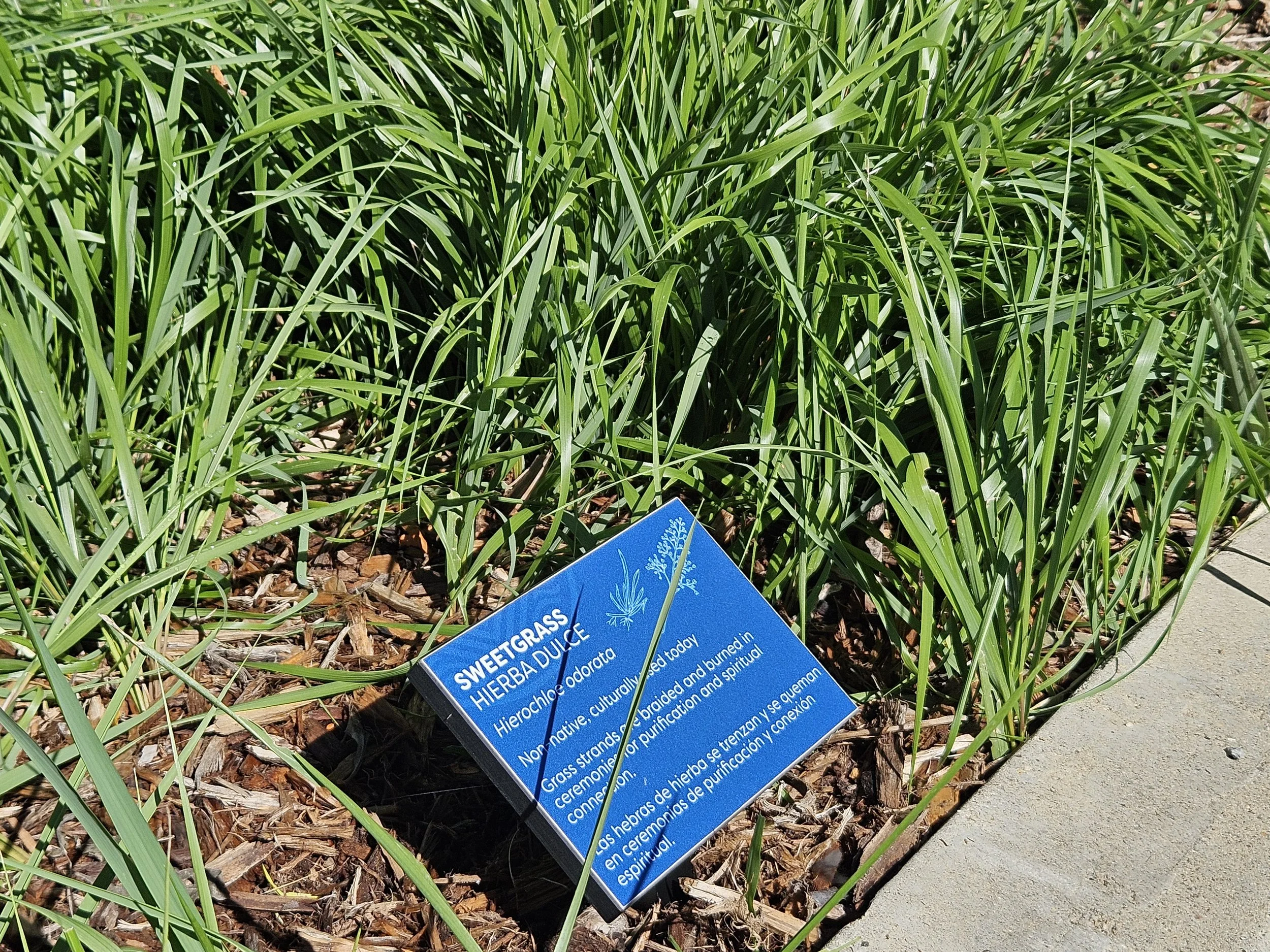
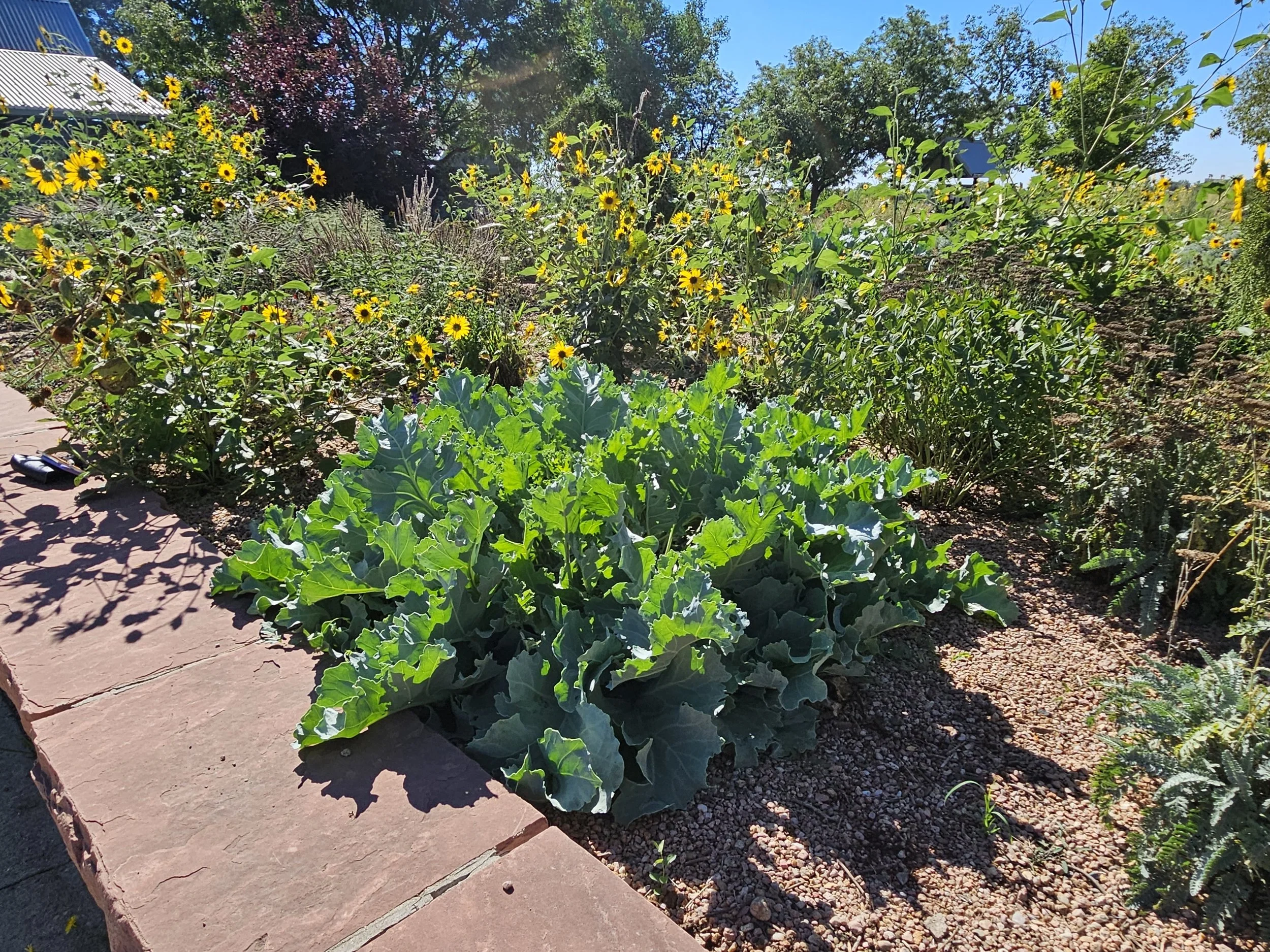
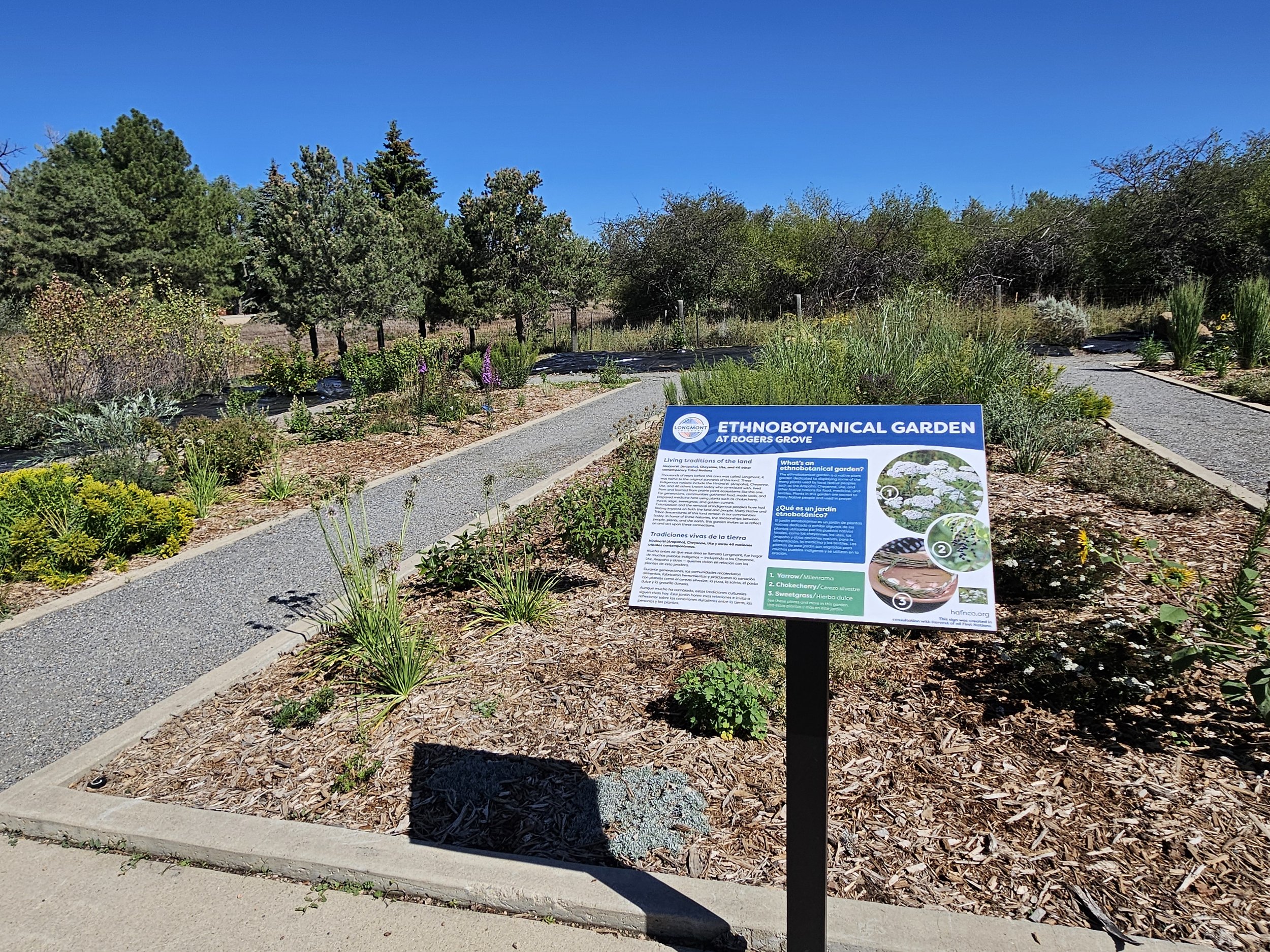
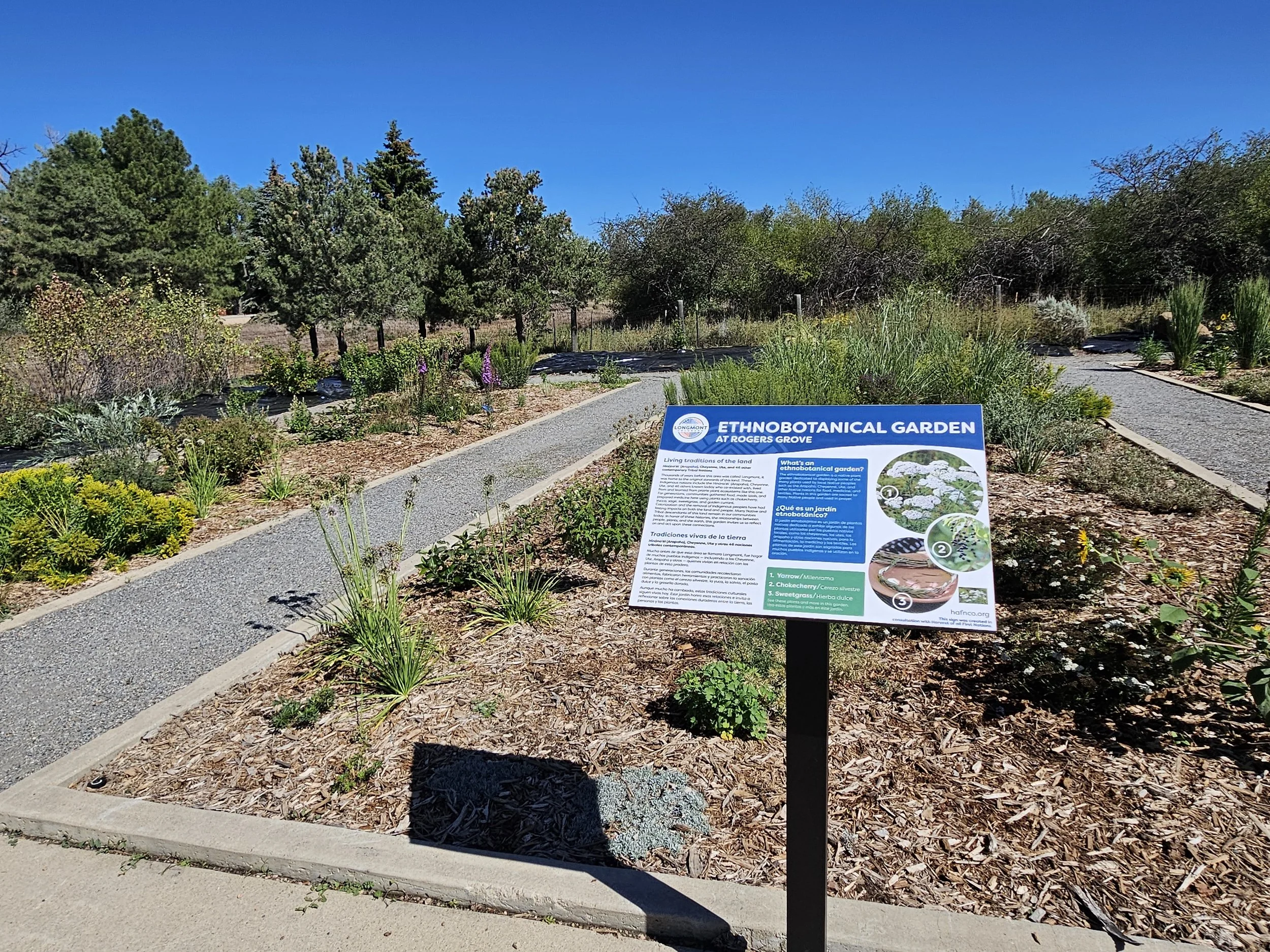
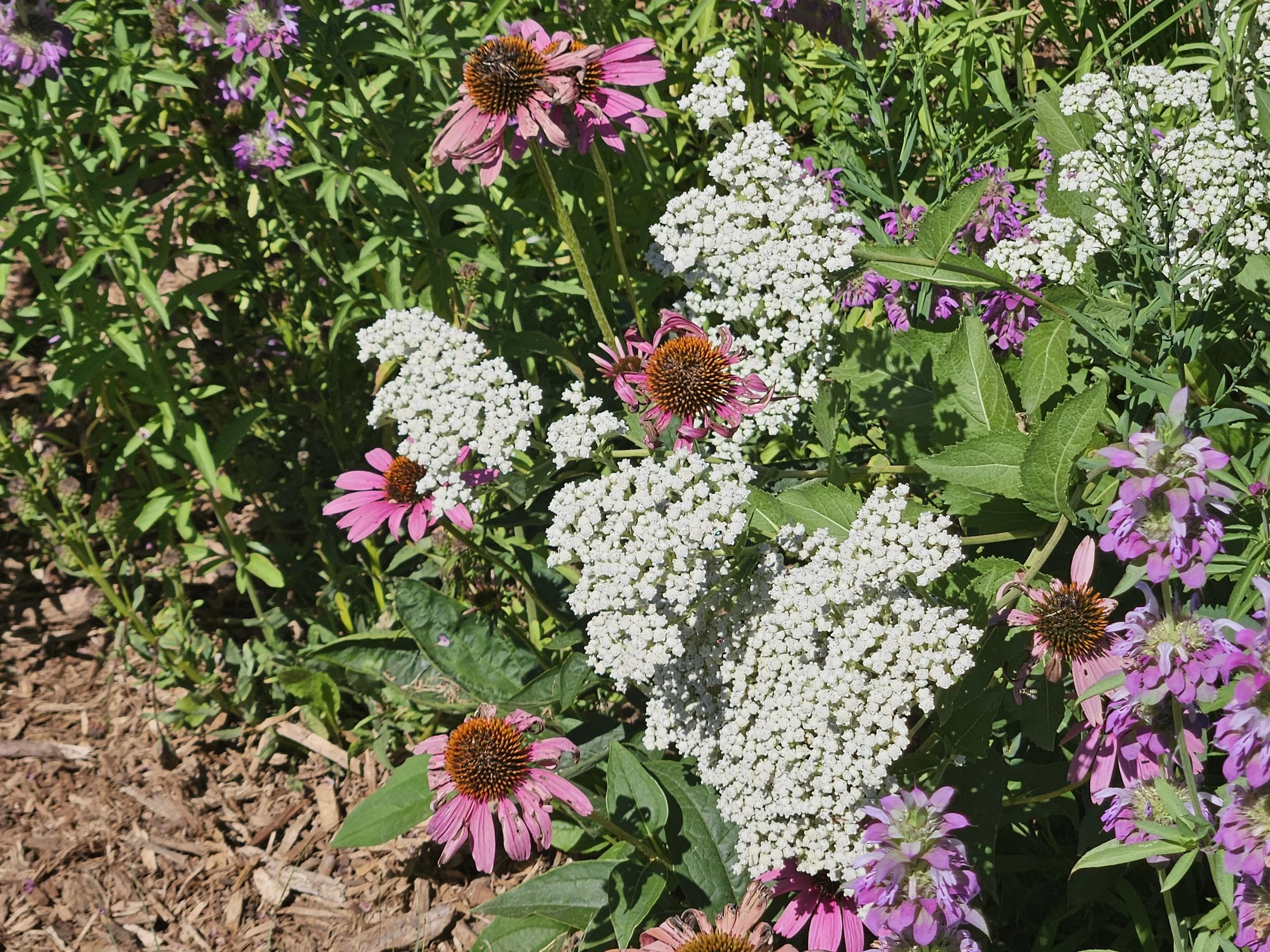
The second project completed through this funding was the installation of an ethnobotanical garden featuring plants of cultural significance to the Indigenous communities whose homelands include the Northern Colorado Front Range. This project completed a previously unfinished portion of a larger demonstration garden installed by the City in 2022. Three large planting beds had originally been designated for alternative turf demonstrations, but funding was exhausted before they could be completed, leaving the beds overgrown with weeds.
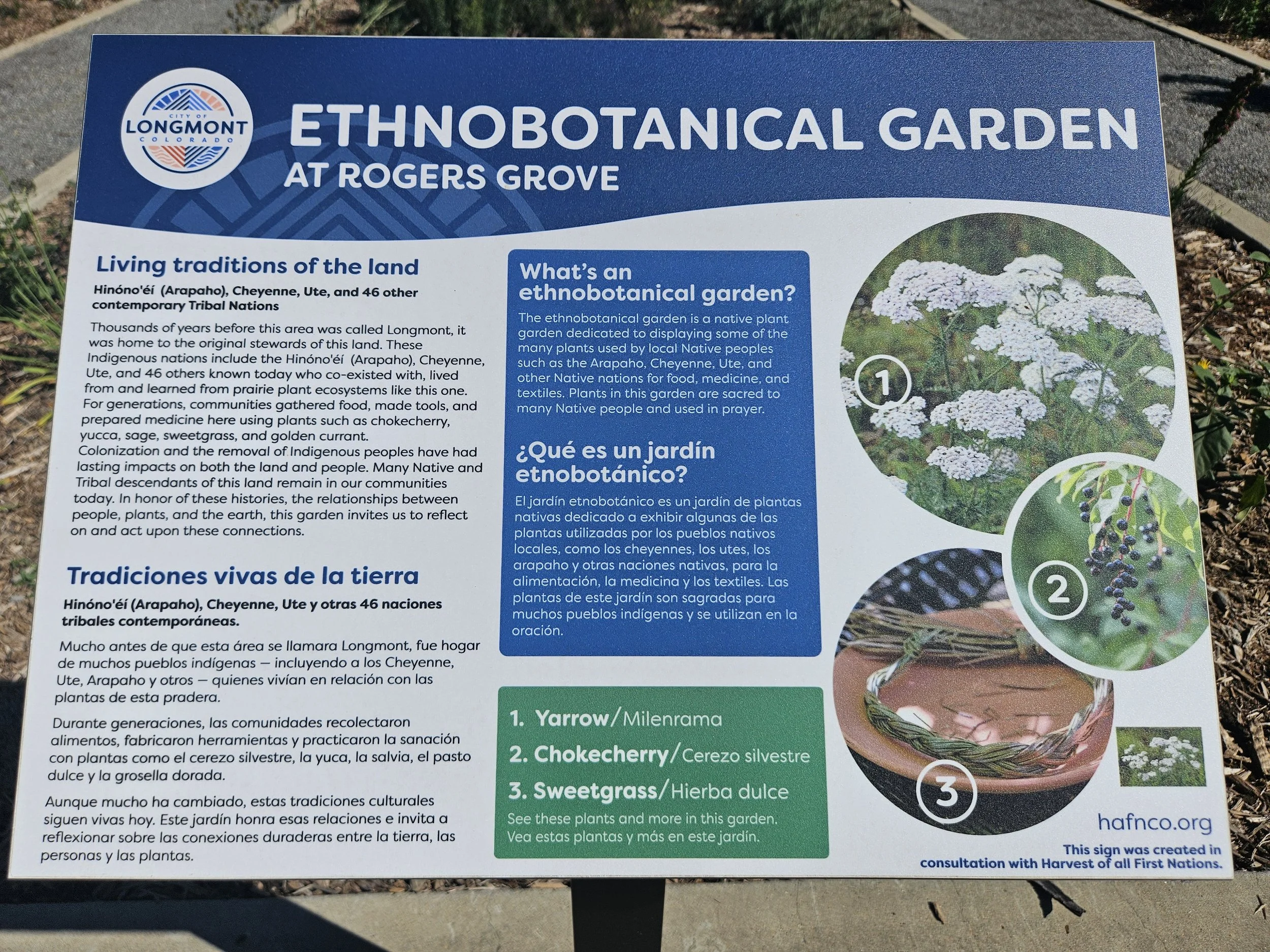
Through this project, the beds were cleared, the compacted soils were restored, and the space was transformed into a themed ethnobotanical garden. In partnership with the local nonprofit Harvest of All First Nations, the City also developed bilingual interpretive signage that provides historical and cultural context for the garden, along with plant identification markers highlighting the traditional uses and significance of selected species. The garden serves as both a habitat enhancement and an educational resource. It is regularly incorporated into community and school programming and is home to Thorne Nature Experience's summer camp activities, making it a highly visible demonstration site that connects ecological restoration with cultural education and interpretation.
Quantitative outcomes include:
Through City of Longmont Open Space Exploration Days, 30 youth participants and their families were engaged in three bilingual educational programs with themes including “Wetland Adventures”, “Summer Wildlife Detectives”, and “Amazing Insects.” # Youth Participants: 30
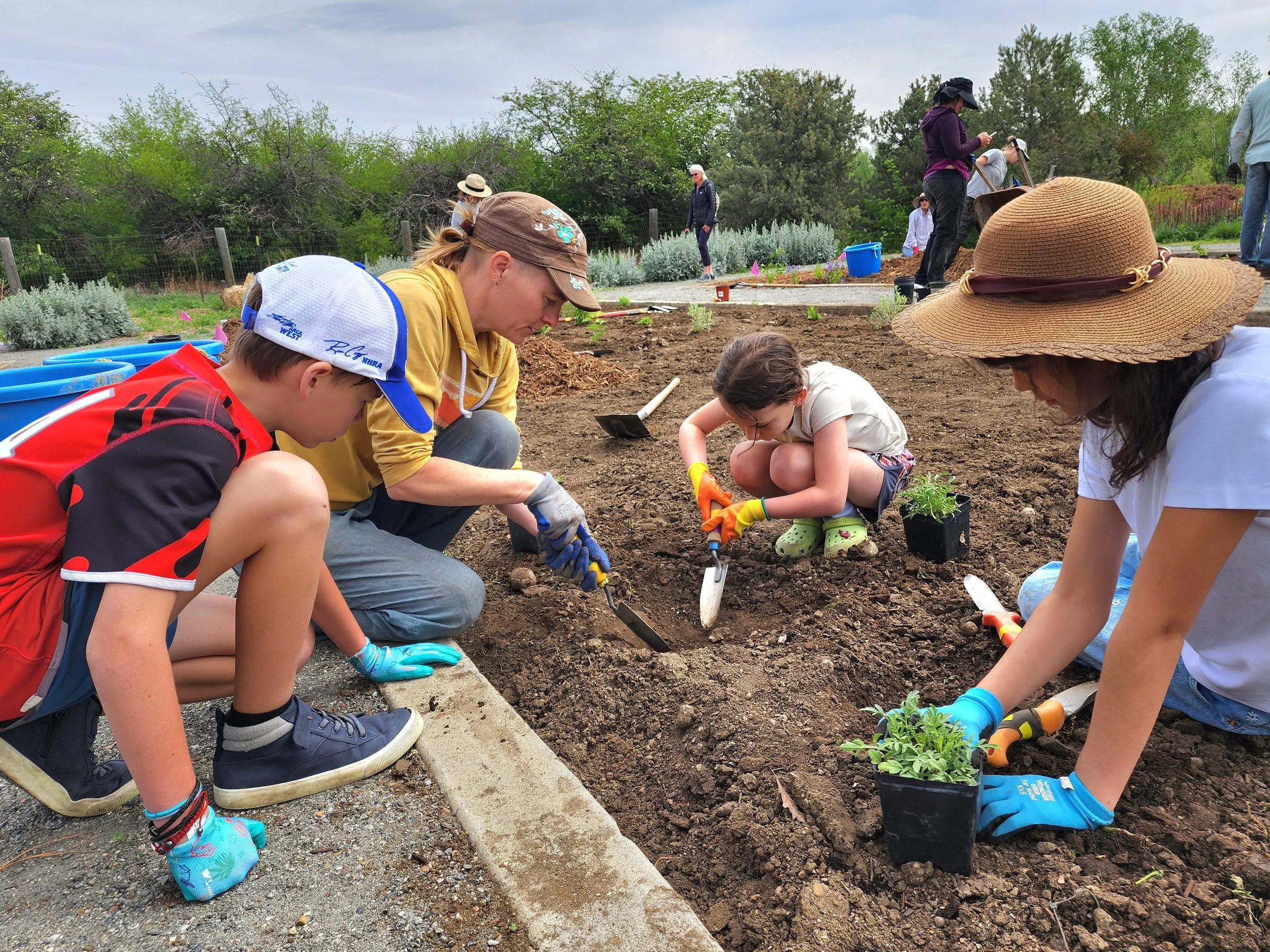
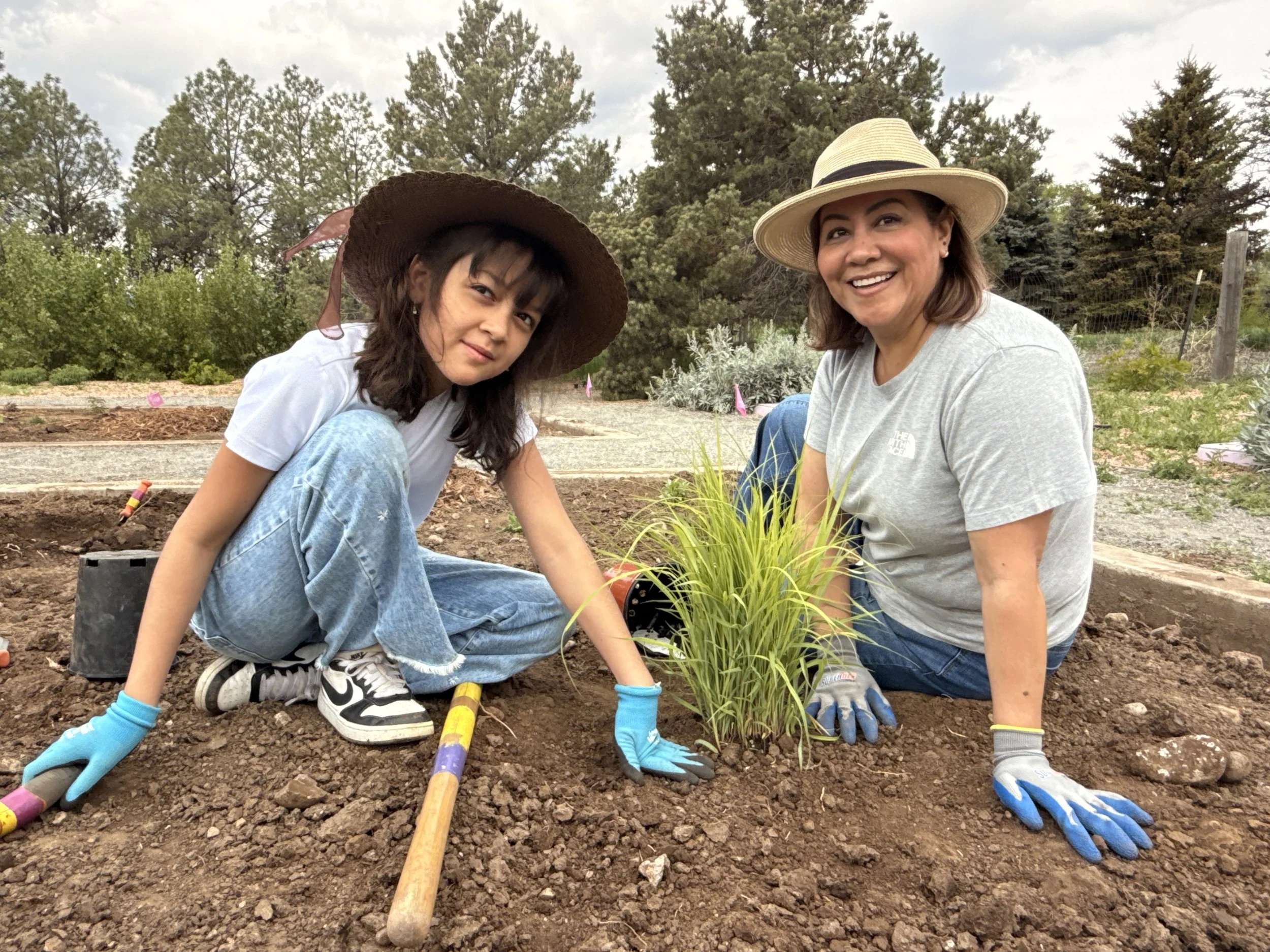
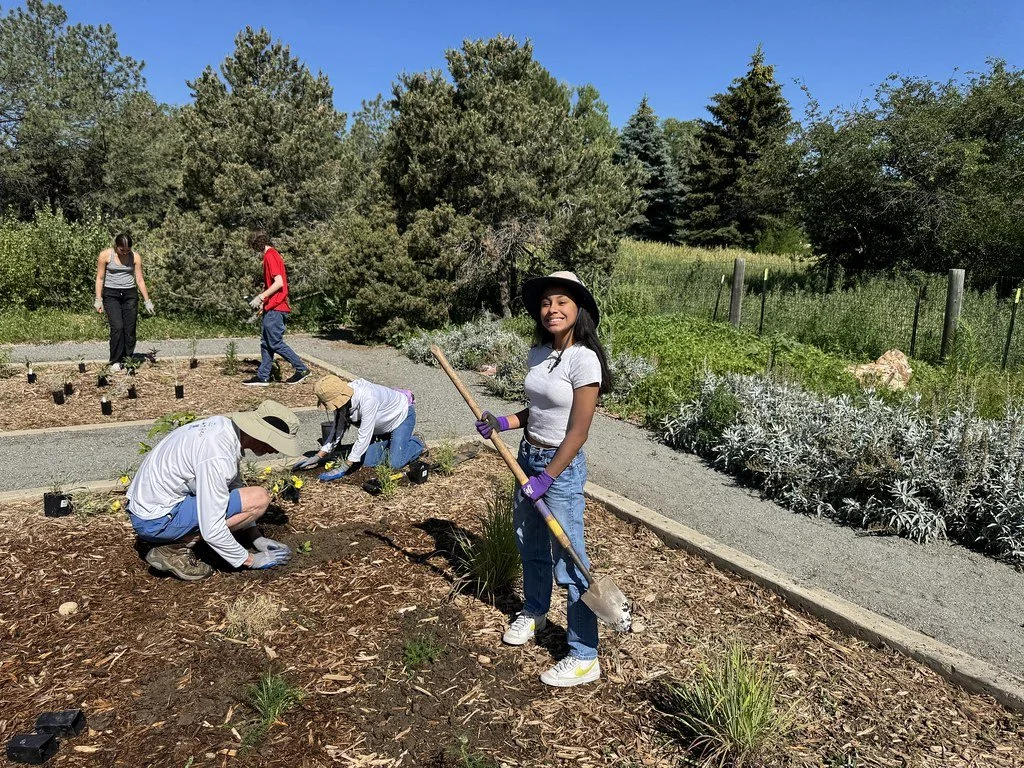
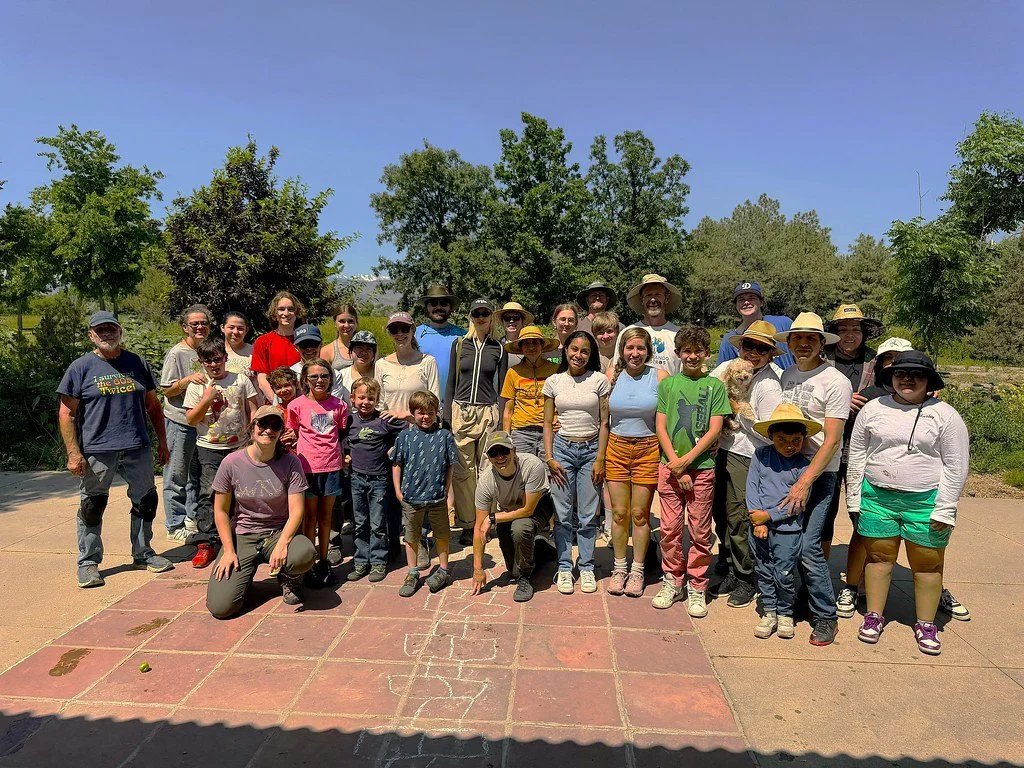
In three bilingual family stewardship planting projects, 65 people were engaged in planting 700 native plants around Longmont. Volunteers contributed 225 hours of time and helped to improve 5,400 ft2 of habitat for pollinators and other wildlife.
In one bilingual cooking event, Wildlands Restoration Volunteers engaged 16 people who gave a total of 96 hours preparing food for other volunteers and sharing culturally significant foods.
In two Spanish-language Restoration and Leadership Trainings, a total of 32 community members were engaged who spent 194 hours planting 160 native plants and willows and learning different ecological restoration and leadership techniques.
Examples of equity dimension impact(s):
Many of these themes are exemplified by this project. Nature Kids is rooted in community and led by an active Promotores parent leadership group and Youth Advisory Board that are involved in decision making for the coalition as a whole. Nature Kids also did extensive community outreach in summer/fall 2024, collecting over 355 surveys and conducting focus groups with over 200 adults and children. The priorities and feedback that came out of that outreach and ongoing conversations with Promotores and YAB members directly informed the ways in which programs and projects were designed. Work continues towards outcomes that advance community and individual well-being and that prioritize justice, community leadership, and connection between one another and between people and place.
Lessons learned balancing equity and conservation:
One significant challenge was recruiting Spanish-speaking volunteers for Wildlands Restoration Volunteers events. WRV relies on trained leaders to help manage groups, and it was learned that there are currently extensive barriers facing underrepresented communities in the outdoors, and volunteering, especially as a new volunteer, is intimidating. This year, paid outdoor leadership trainings helped to bridge that gap and are an effective entry point that incentivizes people who are new to the program and the work to participate. Following these trainings, stronger engagement was seen and increased participation from new volunteers. This experience reinforced that offering paid training opportunities is an invaluable component of the community engagement model, both for building trust and sustaining involvement with Spanish-speaking community members.
In the future, WRV would like to prioritize offering these paid training opportunities to more people, so that partners are able to reach even more community members interested in environmental stewardship and leadership.
Similarly, one of the biggest lessons learned from educational programming was the importance of building flexibility into family-centered events. Higher-than-expected attrition was experienced between registration and attendance, which led to the adoption of a strategy of over-recruiting and maintaining frequent communication with registered families through reminders and updates. It was also recognized that recruiting Spanish-speaking families requires stronger partnerships and more intentional outreach. In response, City Open Space strengthened collaboration with the City's Children, Youth & Families and Community & Neighborhood Resources teams to better connect with Spanish-speaking residents, while also working with the Communications team and a contracted Spanish translator to make registration website and program materials more accessible and welcoming.
The City has carried these lessons into 2026 bilingual family programming with Children, Youth & Families, where they have already proven successful. In many ways, these events served as pilot programs that helped partners identify gaps, test solutions, and refine the approach before launching new opportunities such as Backyard 2 Backcountry—the City’s new bilingual family summer series focused on nature-based learning, which has thus far been far more successful with recruitment and retention of participants.
“Me interesó porque el poder ayudar a mi comunidad siempre es algo muy importante para mi. Me gusto haber podido y aprendido a plantar plantas que son nativas de aquí de Colorado. A mi me gusto mucho hacer este voluntariado y me gustaría continuar haciéndolo.” – Parent participant
English: “I was interested because helping my community is something very important to me. I liked learning about how to plant plants that are native to Colorado. I liked volunteering a lot and want to continue doing it.”
Funding the Future
Although GOCO provides significant funding, each Nature Kids partner receives less than 50% of the funds needed from that source and must commit additional sources of funding to make programs possible. This increases financial sustainability in the long term. This funding also took effect in a gap before the implementation of new funding starting January 1, 2026.
Metro DNA funds allowed for the expansion of programs beyond what was originally planned to focus on pollinator efforts. Metro DNA funds were also ensured the implementation of accessible and informative signage which was an important part of the project.
Learning Along the Way
Several of the lessons learned, specifically those regarding community engagement, are already listed above. It is worth noting that in 2025, Thorne and the Nature Kids coalition received a significant grant from Great Outdoors Colorado that will allow us to invest more broadly in the Longmont community over the next five years. As a result, lessons learned from this project ripple not just through the three organizations directly involved in this proposal but more broadly across Nature Kids’ coalition and community.
Other specific lessons learned from this project include the following:
These projects provided the City of Longmont an opportunity to test practical, cost-effective strategies that make turf conversion more feasible within the City's existing staffing and budget constraints. Lessons learned from these installations will directly inform a formal Turf Conversion Standard Operating Procedure currently being developed by Parks leadership for completion in winter 2026.
The pilot turf conversion at Roosevelt Park will have lasting impacts on the City's approach to future turf conversion projects. Even within its first growing season, the project has provided several valuable lessons that are already informing future work. Most significantly, planting directly into terminated turf thatch has proven to substantially reduce weed pressure compared to previous conversions that involved sod removal. While bindweed and the occasional dandelion have emerged, many of the common annual weeds that typically dominate newly disturbed soils have been largely absent. Aside from some light hand-weeding by volunteers, the planting has required very little maintenance and has established successfully. This early success reinforces the belief that this approach can reduce both installation costs and long-term maintenance requirements.
The project also provided an unexpected learning opportunity. Despite a site walkthrough and clear communication with a maintenance contractor, the garden was accidentally mowed once during the spring. Although initially disappointing, the incident ultimately highlighted two important lessons. First, the selected plant palette proved remarkably resilient, with the vast majority of the planting recovering successfully after mowing. Second, the incident underscored the need for clearer operational procedures and communication surrounding newly installed turf conversion sites.
As a result, Parks, Open Space, and Water Resources staff have begun developing a formal Turf Conversion Standard Operating Procedure that will guide installation, maintenance, contractor communication, and long-term management of these projects. Additional strategies under consideration include temporary fencing or signage around newly established plantings until they are fully established, as well as a portable interpretive signage kit that can both alert maintenance staff and educate the public about the purpose and benefits of the conversion. The experience also reinforced the importance of selecting durable plant species that can tolerate occasional maintenance errors -- an important consideration when managing landscapes with seasonal staff and multiple contractors. While the accidental mowing was certainly not part of the original plan, it ultimately strengthened both the project and the City's approach to future turf conversion efforts. The lessons learned will help make future conversions more resilient, easier to maintain, and more scalable across the park system.
Similarly, the process of developing interpretive signage for the ethnobotanical garden revealed an opportunity to improve the City's internal signage development process. Collaboration on this project highlighted gaps in how interpretive signage was being planned, reviewed, produced, and installed across the Parks and Open Space system. As a result, the Stewardship Supervisor worked with the Parks Development Team to help establish a new, standardized process for managing signage projects. This framework enables staff outside of the Parks Development team to work collaboratively with experienced Project Managers on signage content, consultation, design, production, and installation, creating a more efficient and consistent process for future interpretive projects throughout the City's parks and open space system.
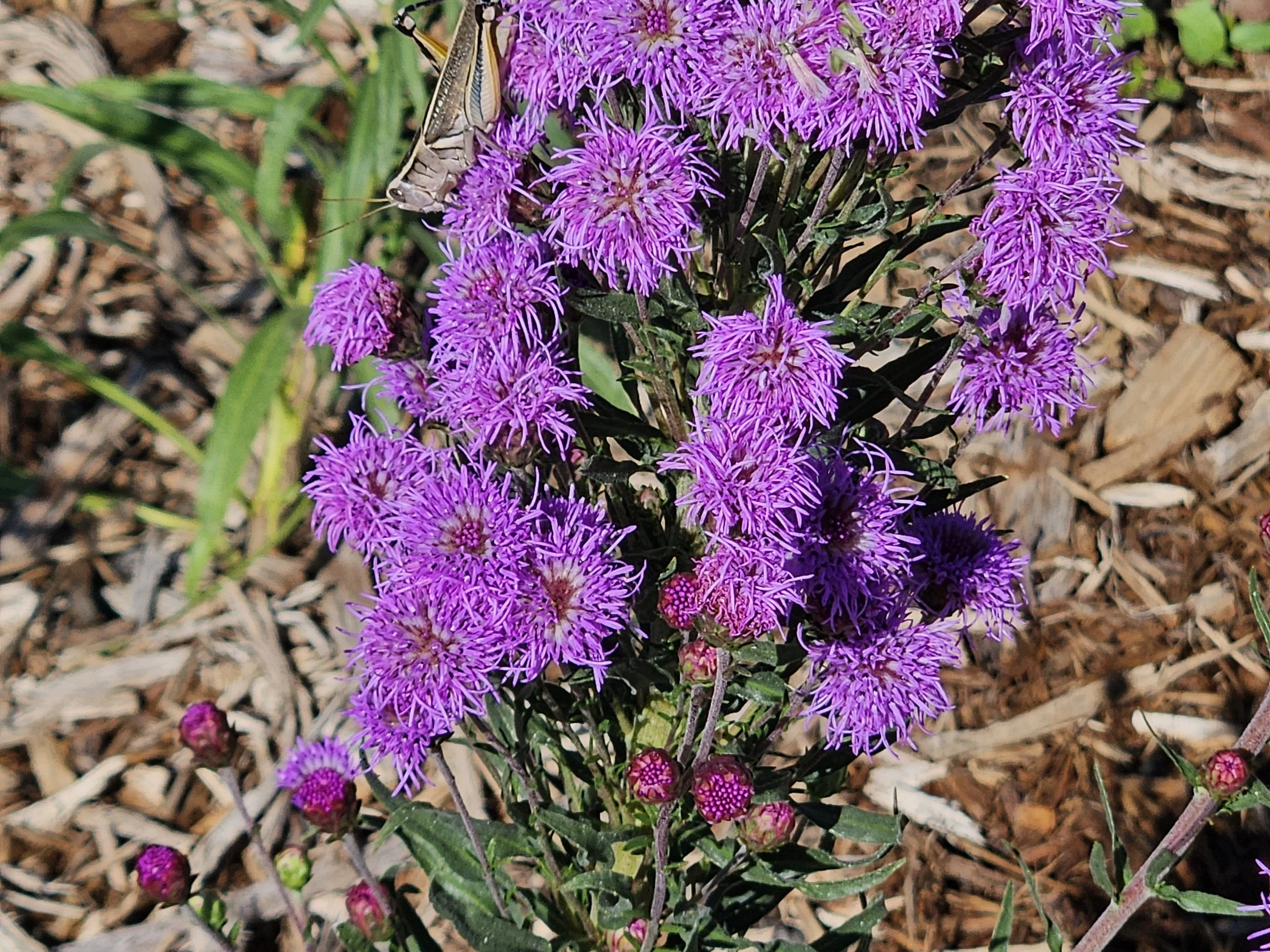
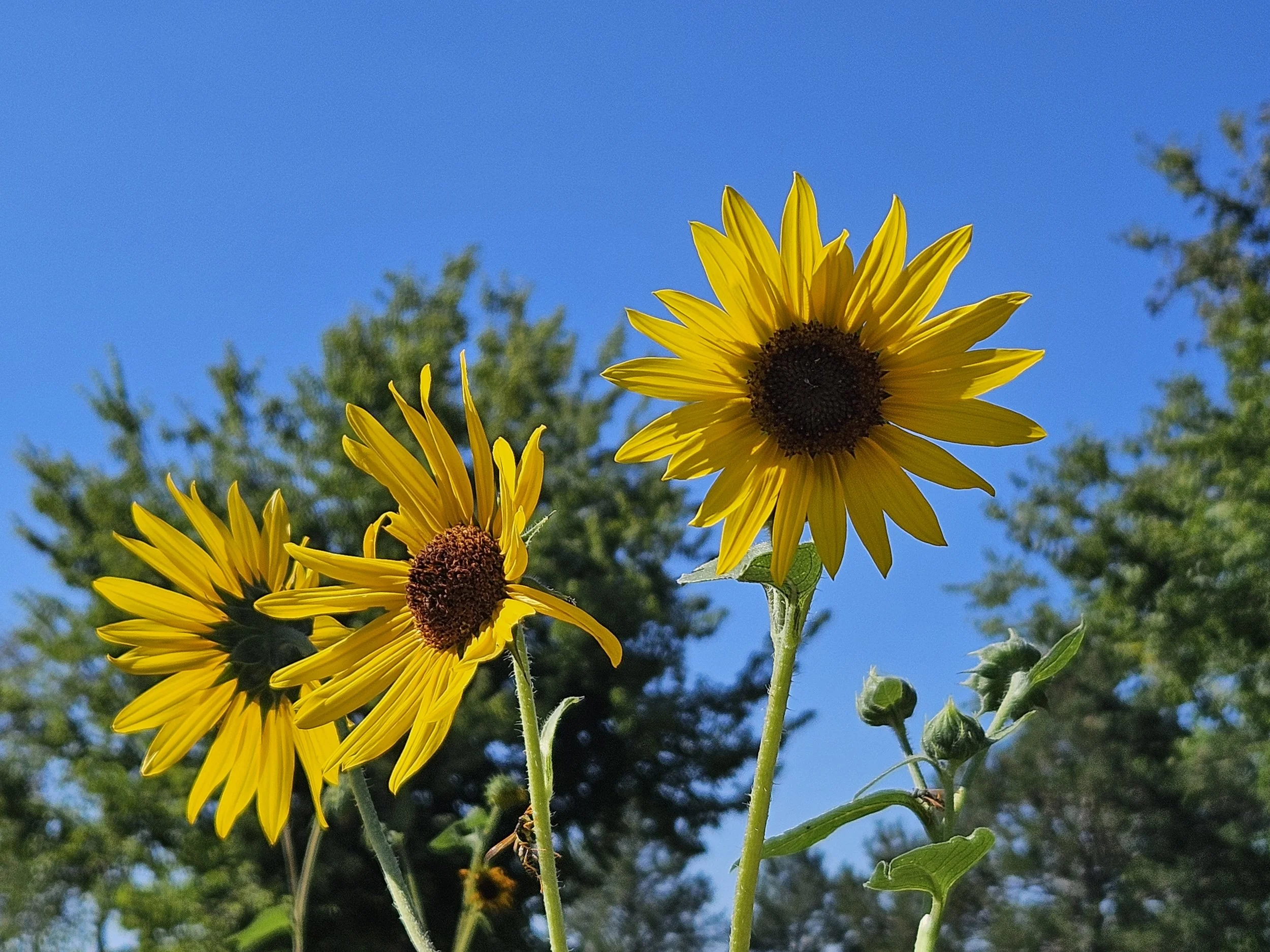
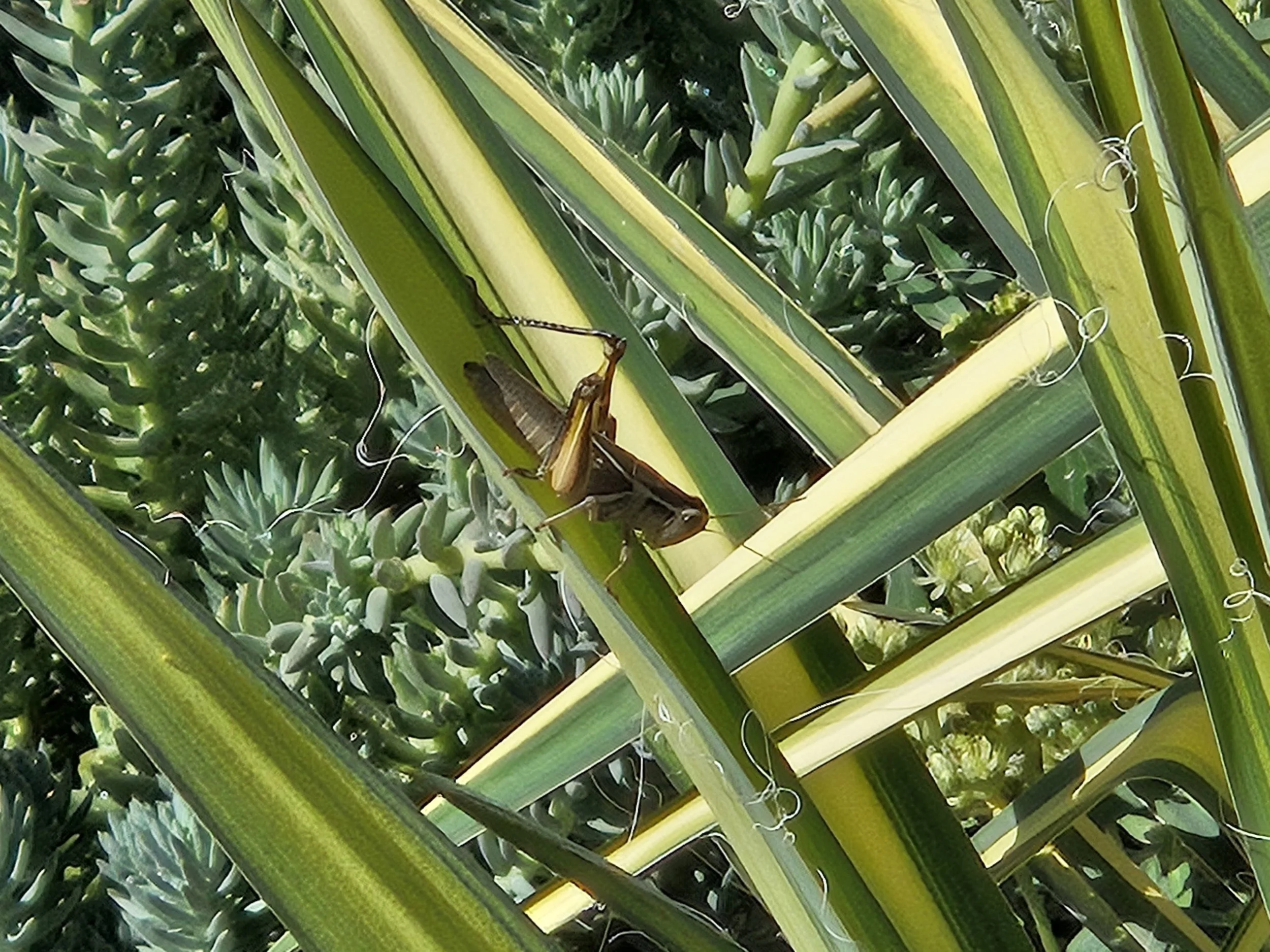
Pollinator Garden Photo Gallery
Photos courtesy of Thorne Nature Experience, Anna DeGolier, and Katie Matthews