Special thanks to Mikayla Perry, Director of Development & Engagement with the Denver Park Trust, for the information in this article.
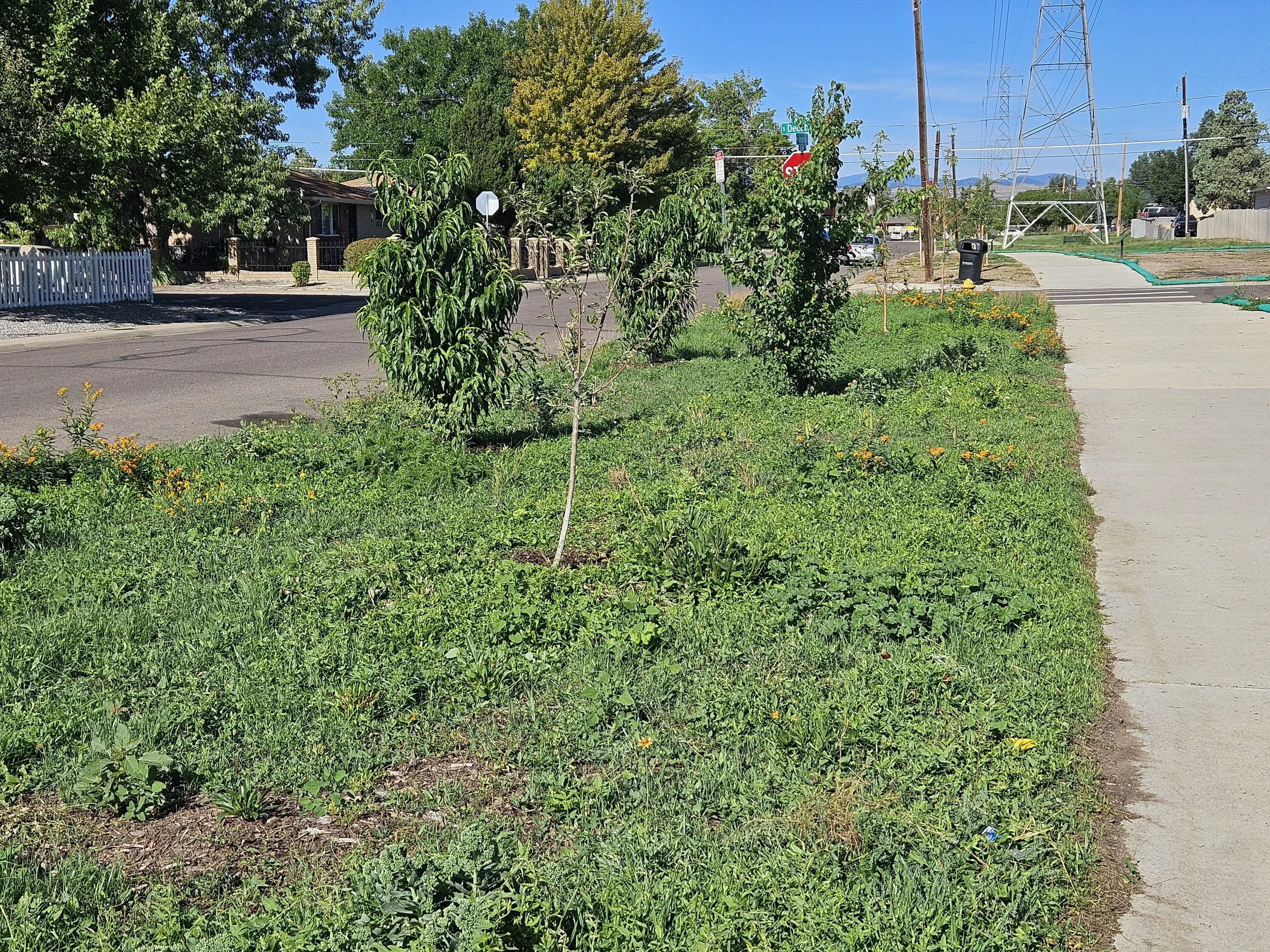
The Denver Park Trust (DPT), alongside city, neighborhood, and corporate partners, is working to transform ten blocks of weedy and overgrown vegetation to a thriving linear greenspace with native grass, small trees, and pollinating plants. The West Tennessee Avenue Greenway benefits the community by connecting and enhancing wildlife habitats; promoting healthy and safe pathways; and through a demonstration project with collaboration across multiple regional partners.
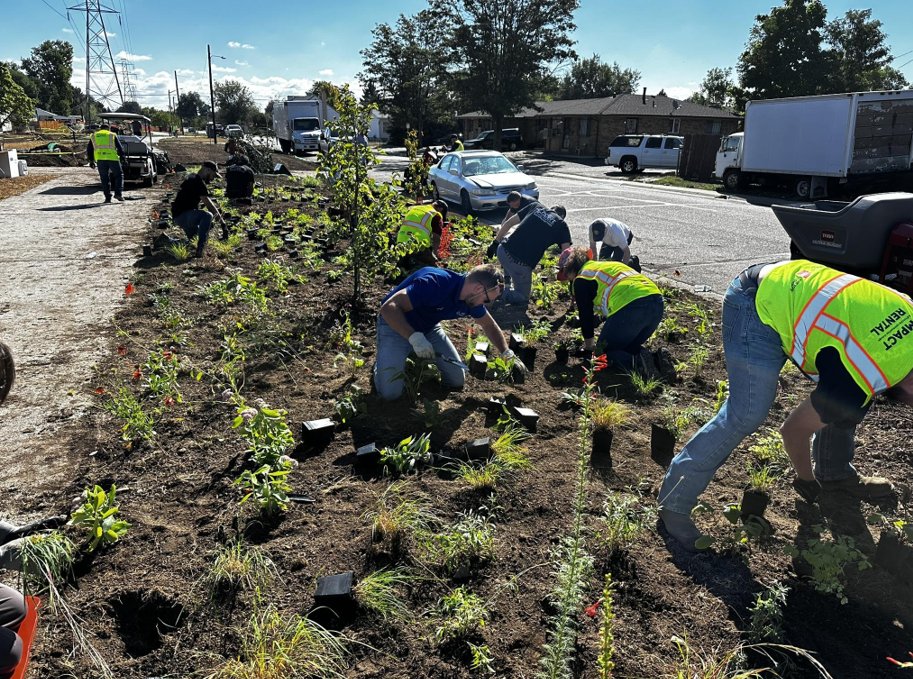
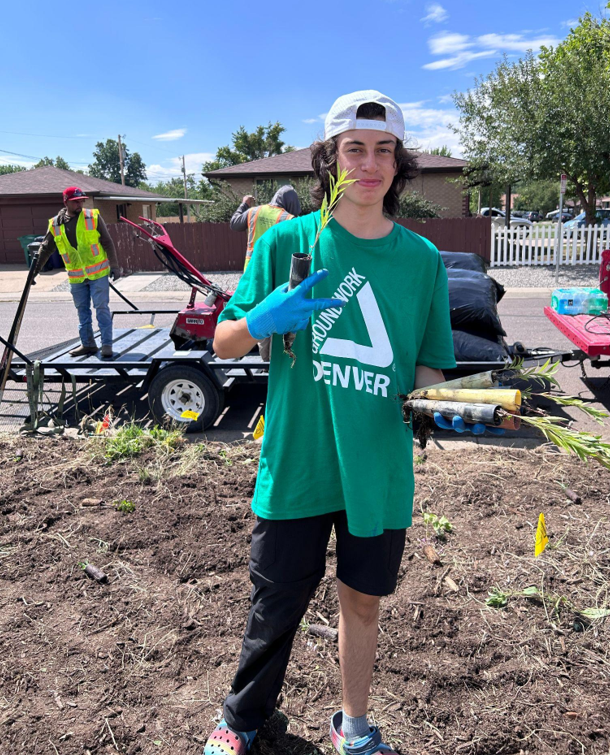
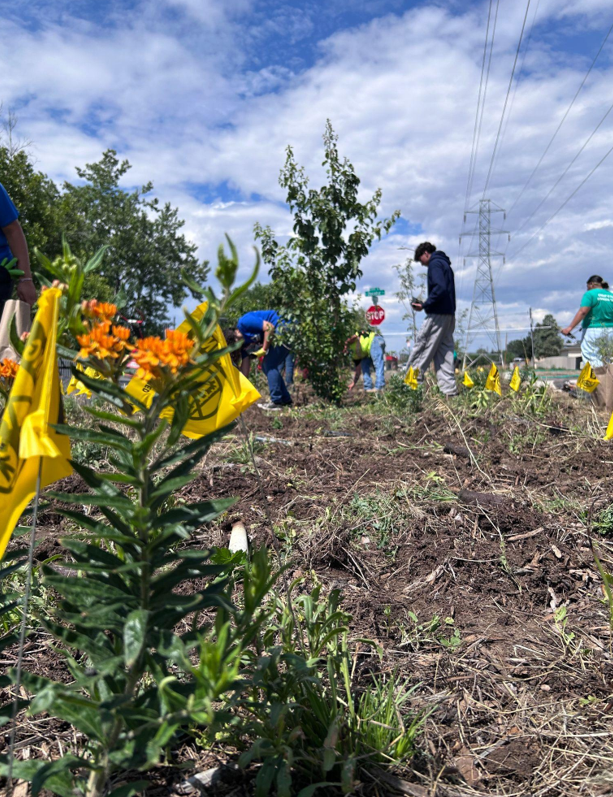
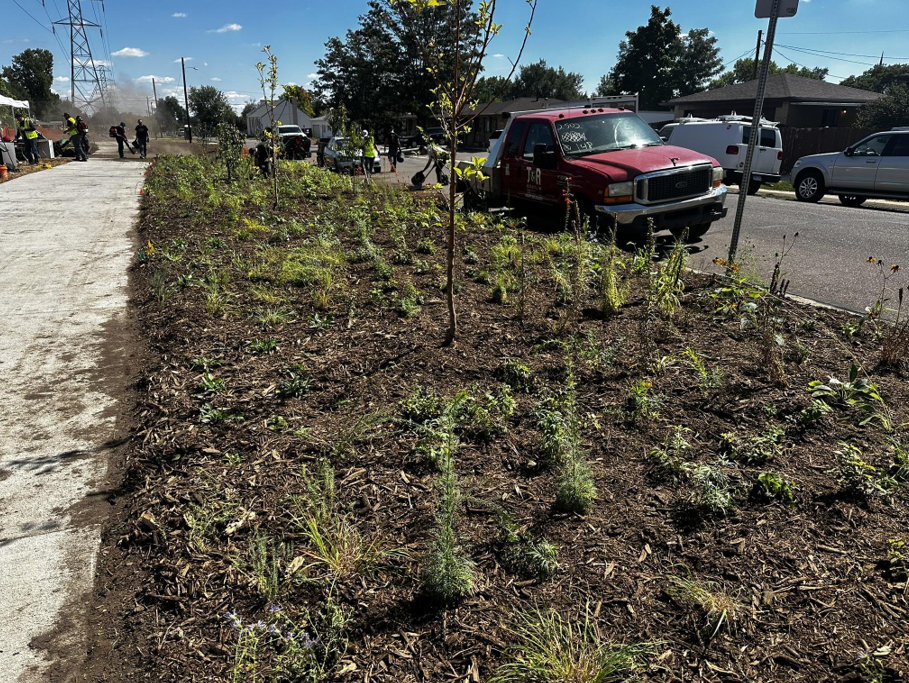
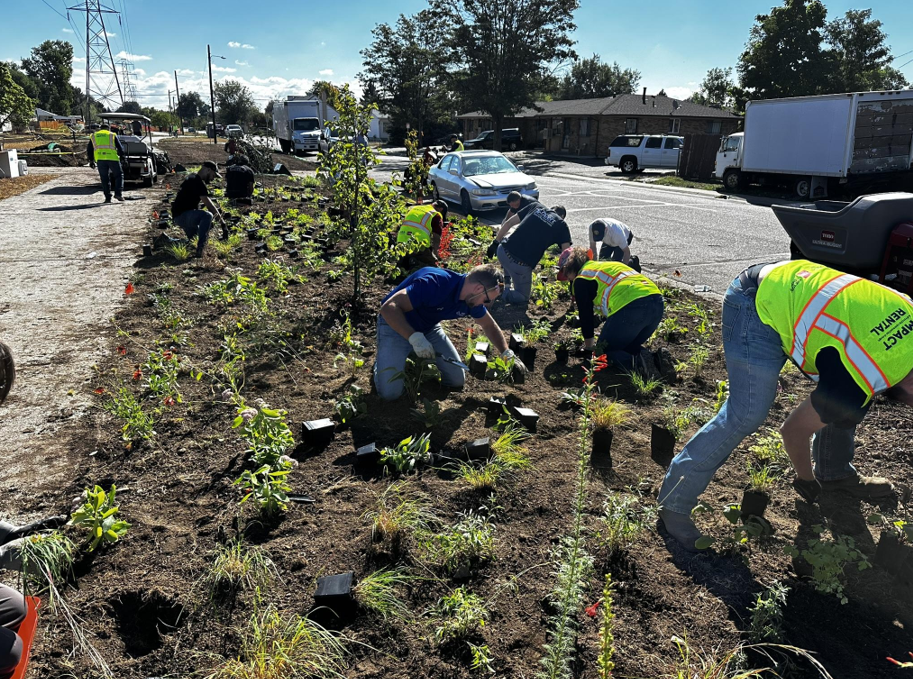
Planting along the Tennessee Greenway. Photo courtesy of the Denver Park Trust.
The Athmar Park Neighborhood
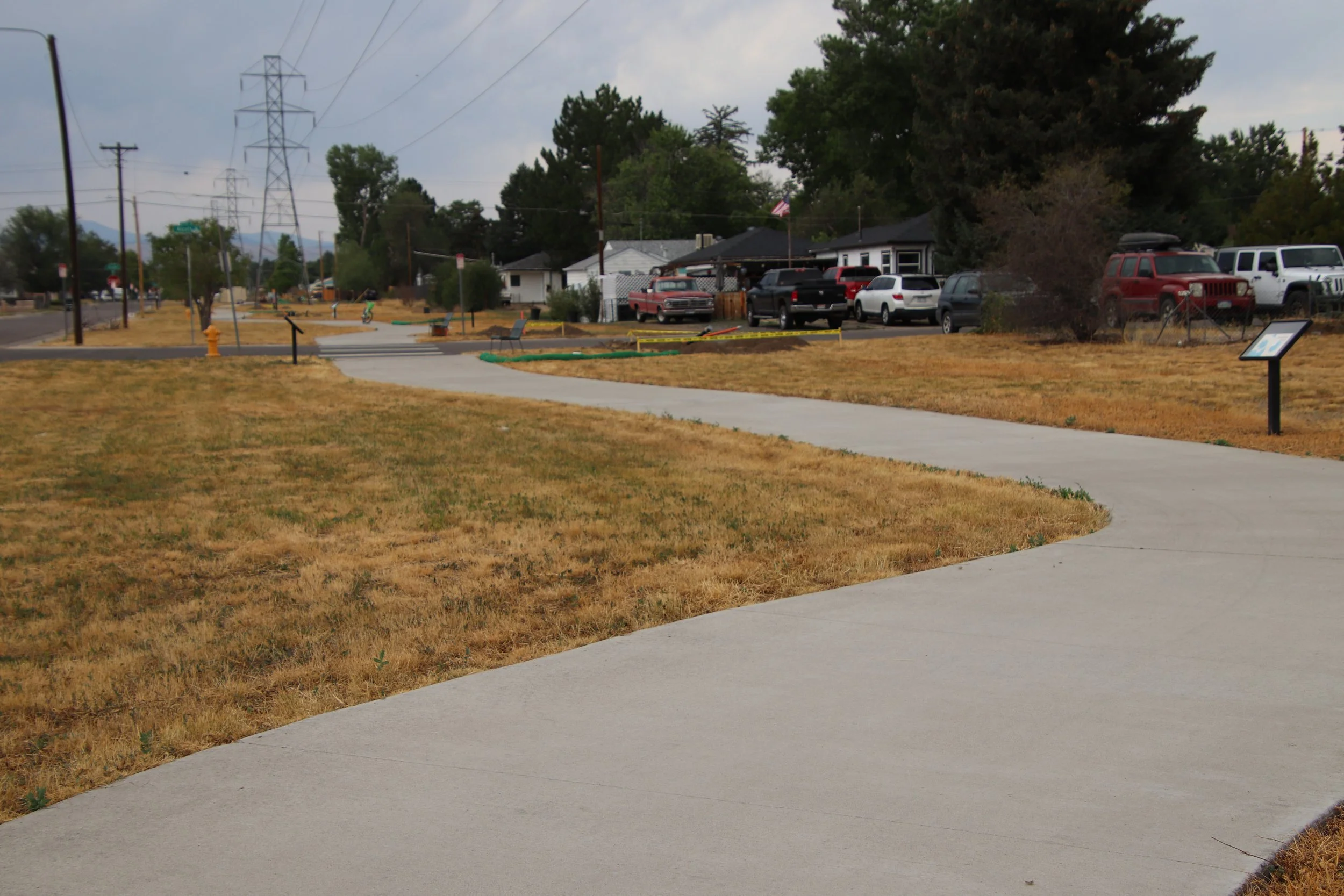
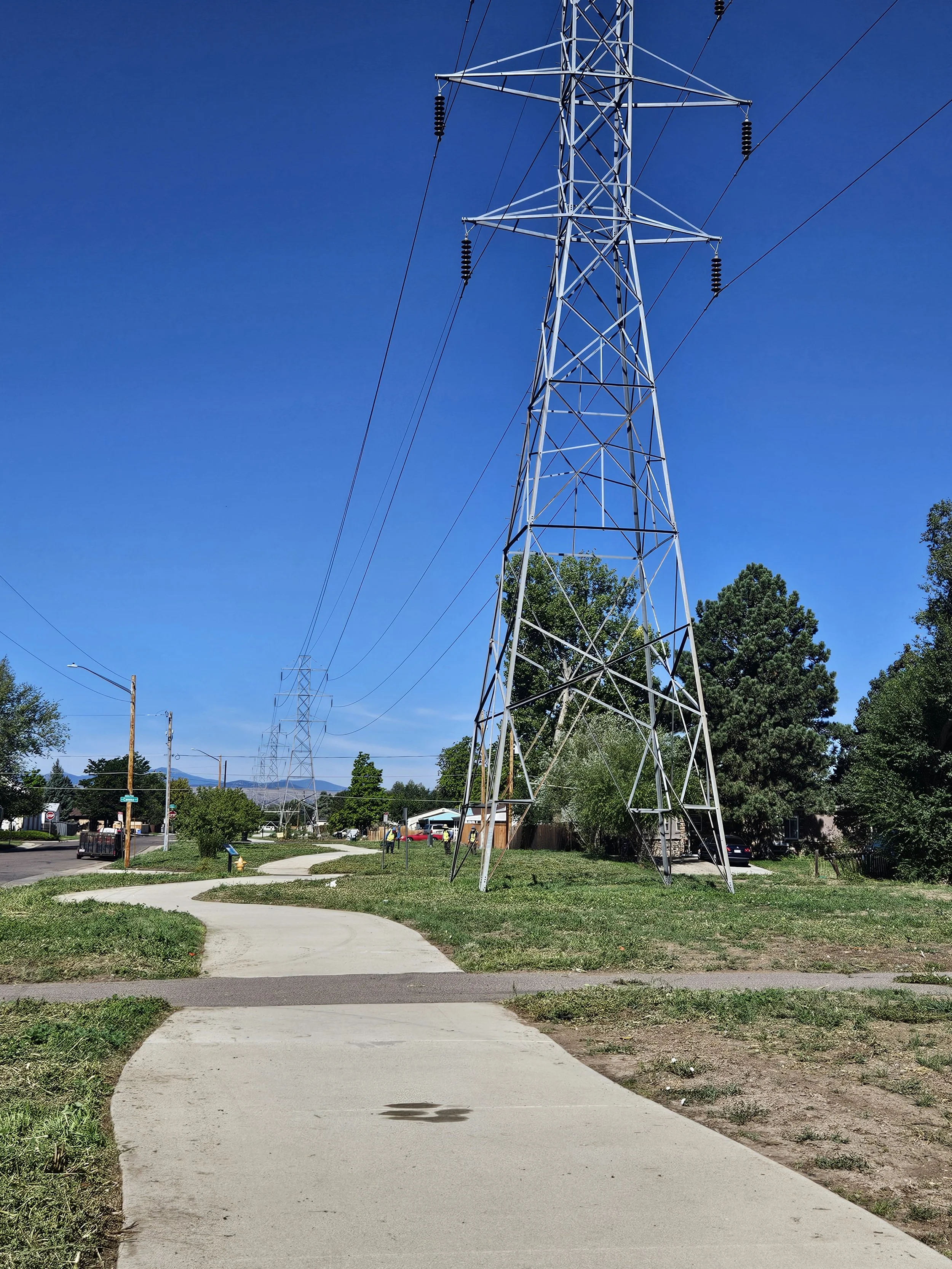
Located in the Athmar Park neighborhood in West Denver, the Greenway extends from Federal Boulevard to Zuni Street under Xcel Energy power lines on Tennessee Avenue. The neighborhood was rated a Level 4 (out of 5) on Denver Parks and Recreation’s (DPR) 2024 Neighborhood Equity Index, meaning it was in great need of investment in parks and greenspaces. The Equity Index is updated every two years and is based on eight indicators including income, health disparities, communities of color, and park access. Athmar Park is now rated Level 3 on the 2026 Equity Index. The Greenway project serves an estimated 9,037 residents within a 10-minute walk or roll: 65% Hispanic/Latino, 19% white, 8% Asian, and 4% Black, with 58% of residents living below the median income of Denver.
DPT is co-leading the project with Denver Parks and Recreation and the Athmar Park Neighborhood Association. Other key partners include the American Rental Association, Denver Urban Gardens, Denver’s Department of Transportation and Infrastructure (DOTI) - Division Green Infrastructure, Gates Family Foundation, Metro Denver Nature Alliance, Groundwork Denver, the Office of Councilwoman Flor Alvidrez - Denver City Council District 7, Soka Gakkai, the Toro Foundation, and Xcel Energy. Partners have supported the funding, implementation, and management of the project in various capacities. This highly-collaborative approach allows multiple entities to contribute their expertise, co-creating a space beyond what any single organization could offer.
Community Driven Project
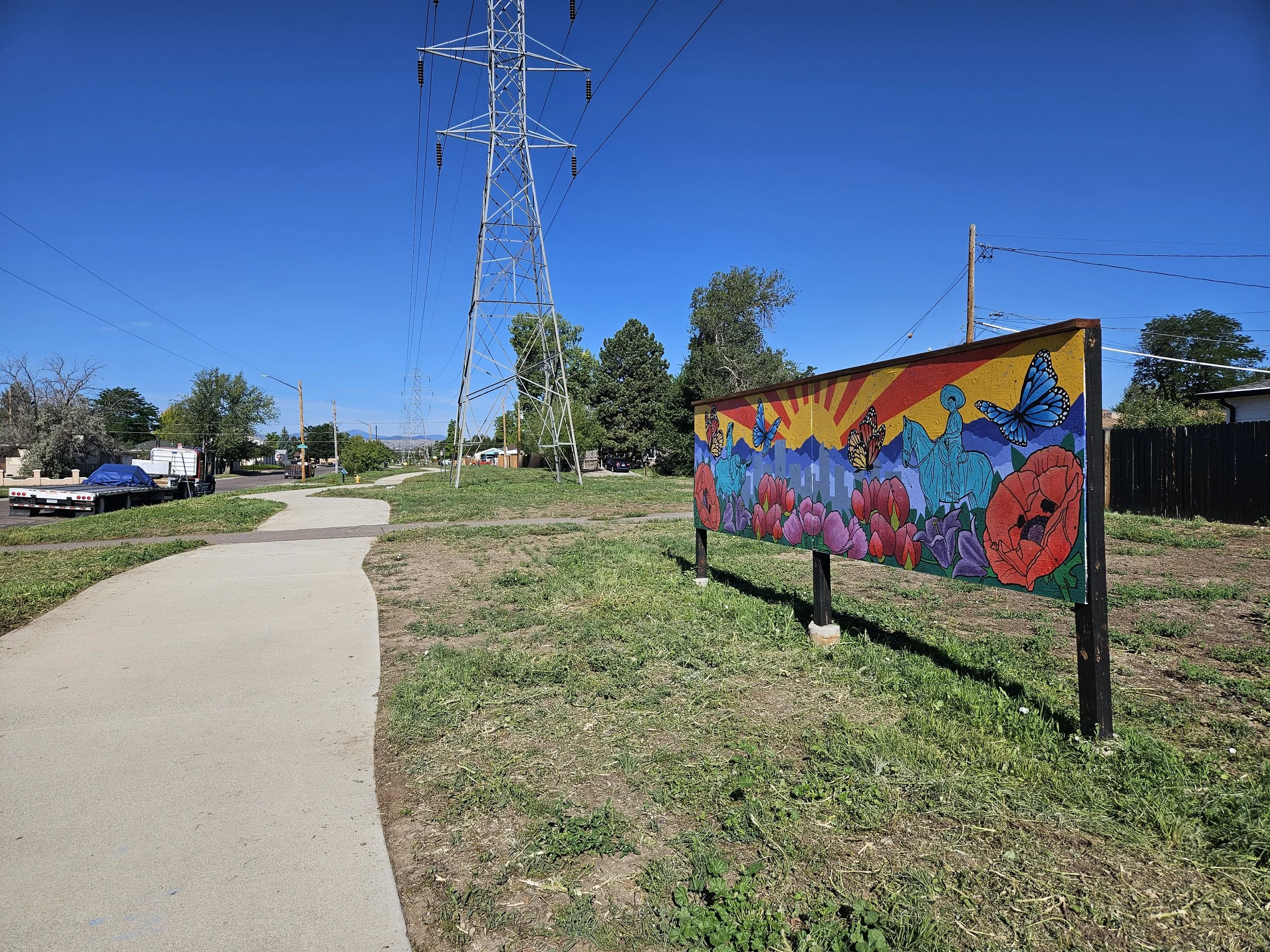
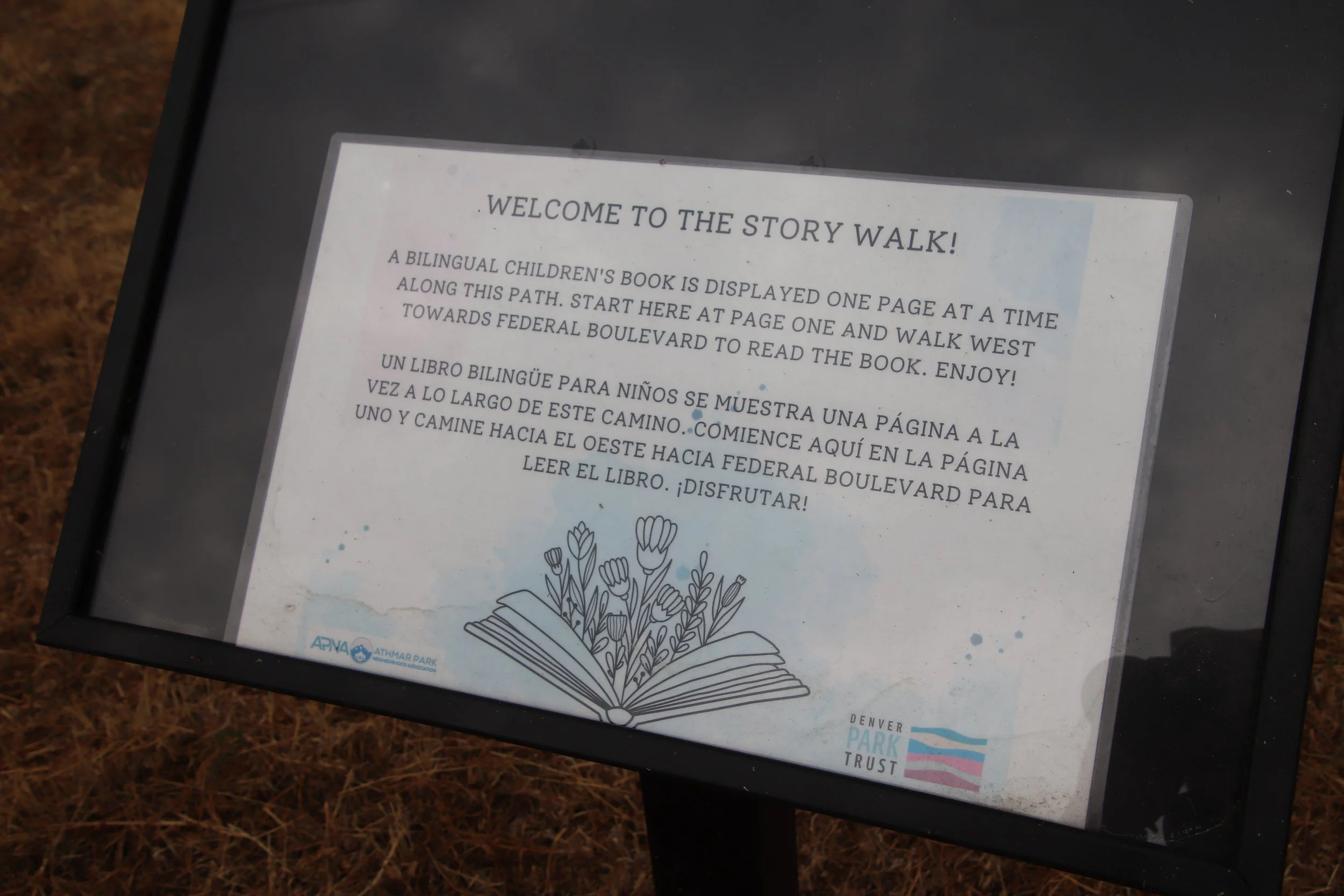
From its inception, the Greenway project has been driven by the local community. For years, the overgrown corridor was a hotbed for trash dumping, illegal camping, and other unsafe activity, including a grass fire and a drug-related death in 2024. Members of the Athmar Park Neighborhood Association have advocated to enhance and activate the space, creating their own design plans for native landscaping, engaging DOTI to establish a cement path and the Colorado Health Foundation to fund murals along the trail. DPT became involved in 2021, when residents applied for funding to install a Story Walk—a bilingual children's book displayed one page at a time across 16 stations along the trail. DPT invested $5,000 in the project and stayed involved as residents expressed interest in further transformation of the Greenway.
Through landscape transformation and community activation, the Greenway gives residents a place to exercise, connect with nature, and socialize—activities vital to community health. It offers a safe space for kids to bike, pollinators to flourish, and neighbors to gather, and serves as an ideal wildlife habitat connector, providing a half-mile of continuous parkland between Huston Lake Park to the north and the Via Verde Loop to the west.
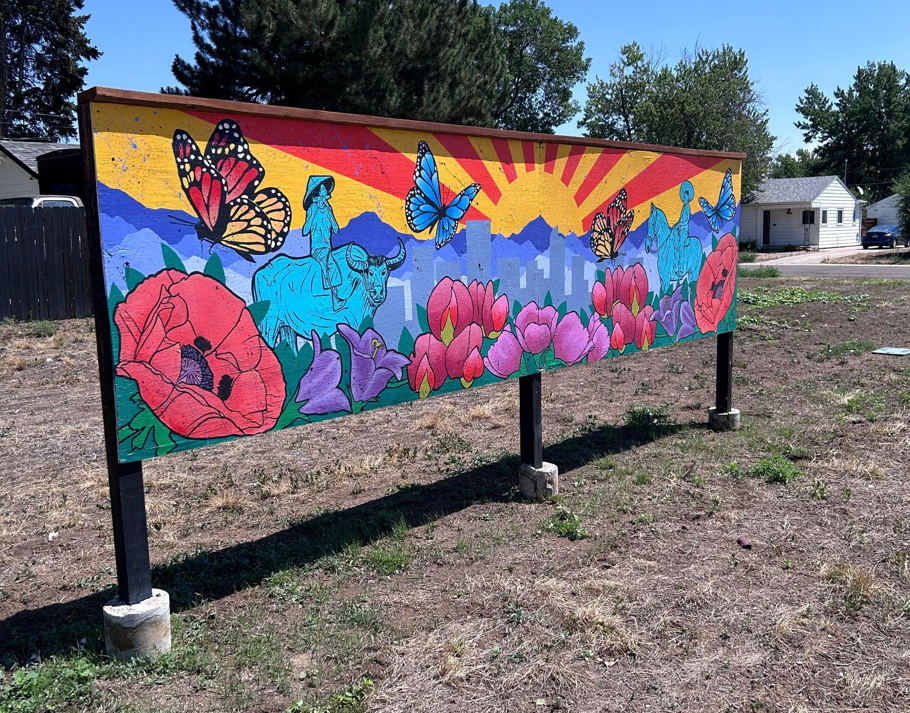
Community designed mural along the greenway
Equity and Conservation Outcomes
The project directly serves 9,037 residents within a 10-minute walk or roll of the Greenway. Benefits include increased connectivity, access to nature, opportunities for community gathering and socialization, and spaces for safe physical activity.
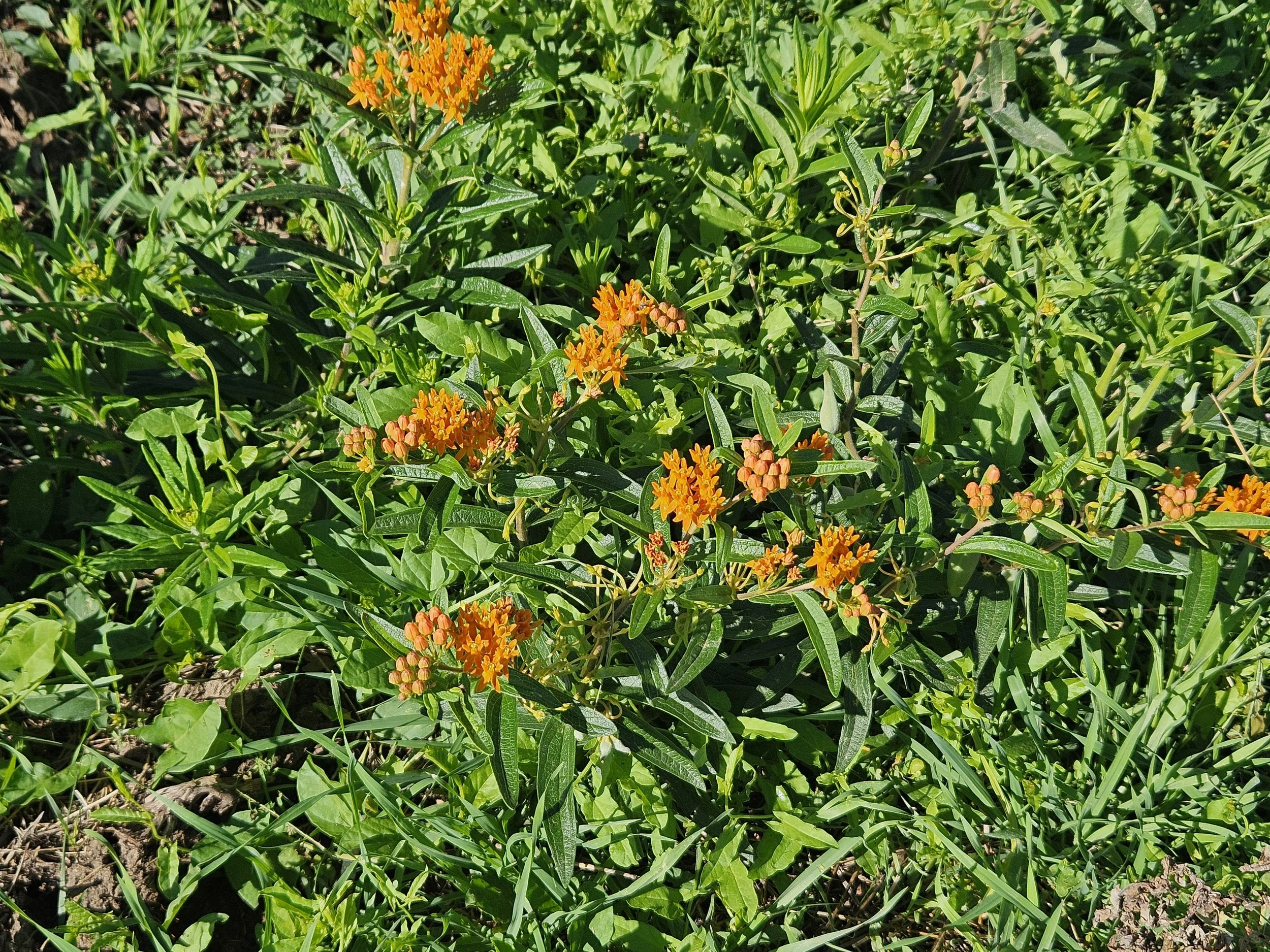
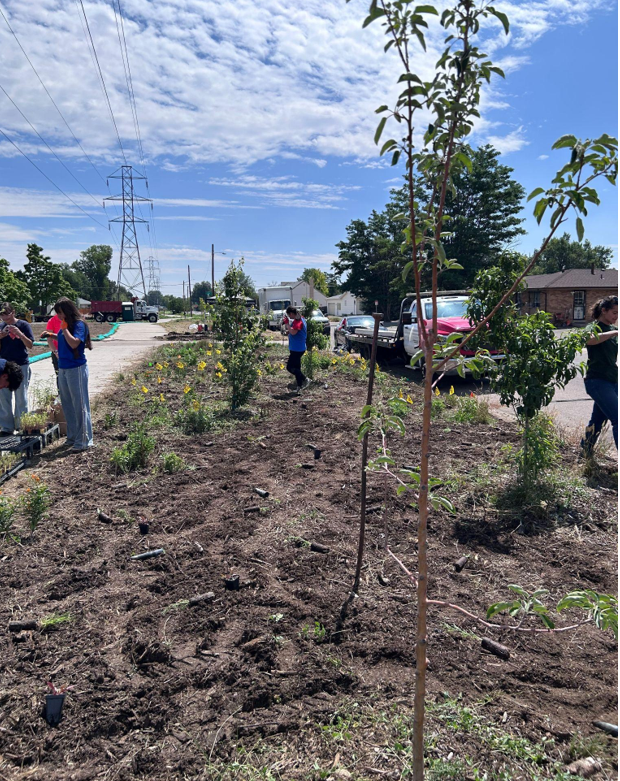
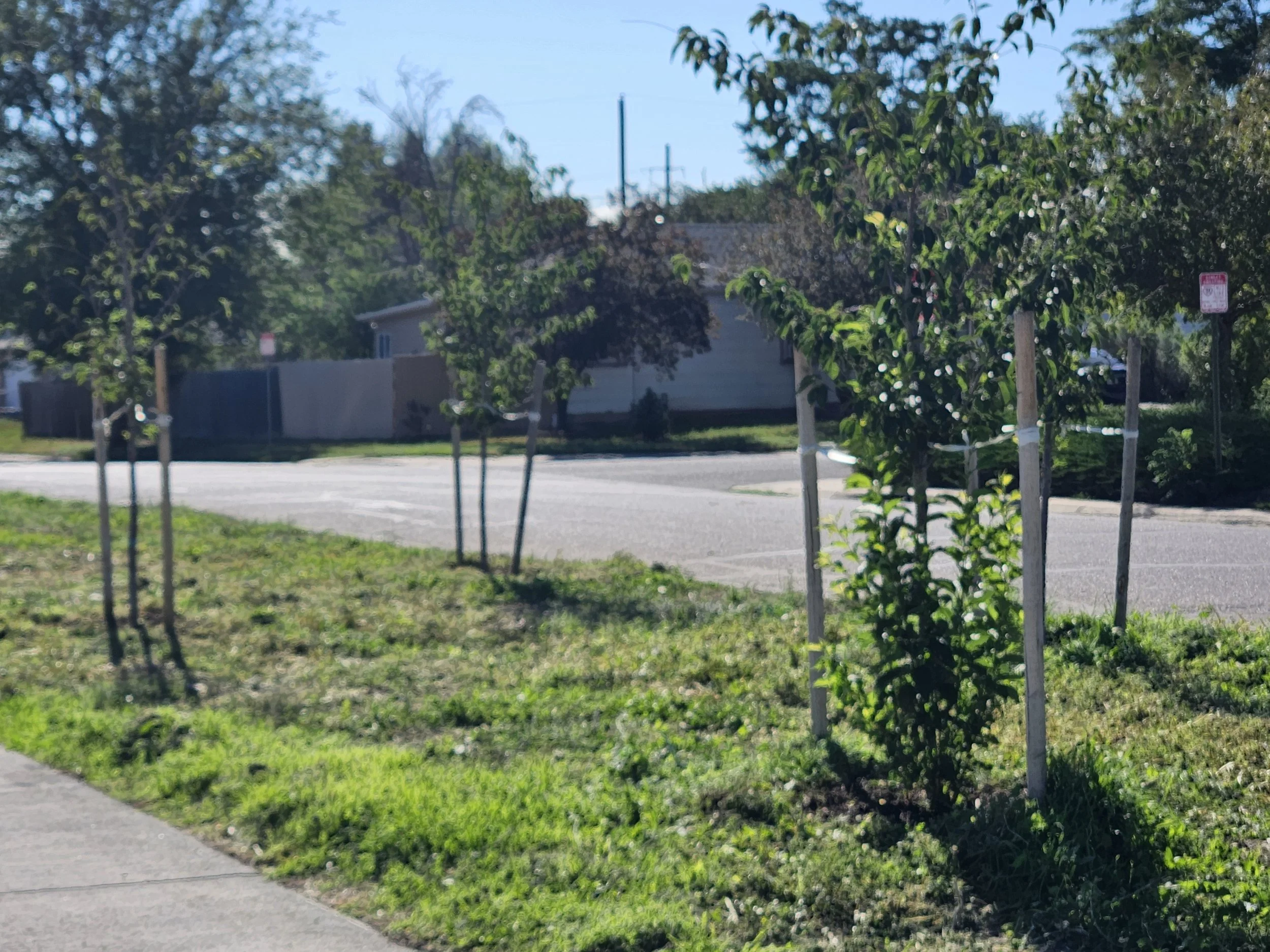
The Greenway is approximately three acres in total. In the past year, 34 trees have been planted, 2,000 Colorado native/pollinator-supporting plants have been planted, and the entire corridor has been seeded with a native and climate-adpative seed mix.
The Athmar Park neighborhood is a predominately working class, Hispanic/Latinx community that has not received the same investments in greenspace as wealthier, whiter neighborhoods in Denver. By bringing resources and amenities to a historically marginalized community, the Greenway is a step toward rebalancing the disproportionate share of negative environmental consequences from lack of accessible green space and providing opportunities for safe and healthy activities.
Centering community voices has been pivotal in advancing the Greenway project, ensuring the space is a valued, maintained, and utilized asset for residents for years to come. Through culturally-relevant art and plant selections, like Cherry trees and Colorado native plants, the Greenway fosters a sense of belonging and community pride. Community members have not only offered their ideas, but also physically transformed the Greenway through volunteer opportunities like trail cleanups, planting trees, installing the Story Walk, and maintaining the Food Forest. This level of community involvement has strengthened bonds among residents while deepening their connection to the natural environment.
Project Funding
The grant funding from Metro DNA helped to move the project forward and attract investment from other funders. Funding from Metro DNA filled a funding gap for weed management and native grass seeding from the fall of 2025 to summer 2026. Seed was spread over the entire Greenway this summer and should begin germinating this fall. Funding from MDNA contributed to three acres of native landscapes restored.
The Greenway project also received support (both financial and in-kind) from Denver Parks and Recreation, DOTI - Division of Green Infrastructure, Gates Family Foundation, the Toro Foundation, and Xcel Energy.
Resident Input Benefits Project
The Greenway project has continued to draw in new partners and deepen community involvement over time. A newly engaged partner organization, Groundwork Denver, brought a ten-person youth crew to the Greenway to plant more than 500 plants. During the grant period, DPT hosted a community meeting with DOTI's Division of Green Infrastructure team to gather resident input on stormwater management features. Neighbors walked the site together, assessed different areas, and shared firsthand observations—like where snow and ice tended to pool—along with preferences such as incorporating Russian sage for stormwater filtration.
Tennessee Greenway Photo Gallery
Photos courtesy of The Denver Park Trust and Katie Matthews