On a lovely fall Colorado day on Lookout Mountain, the twice-annual Metro DNA Partner Convening took place. More than forty partners from organizations and agencies across Metro Denver gathered to share ideas, collaborate on solutions, and learn about Metro DNA’s latest efforts to advance its Regional Vision for People and Nature.
Held at the Boettcher Mansion on November 5, the fall Partner Convening included organizational updates from Metro DNA, a collaboration panel focused on connectivity and collaboration, and world café-style conversations that let participants dive into specific topics and share ideas and experiences.
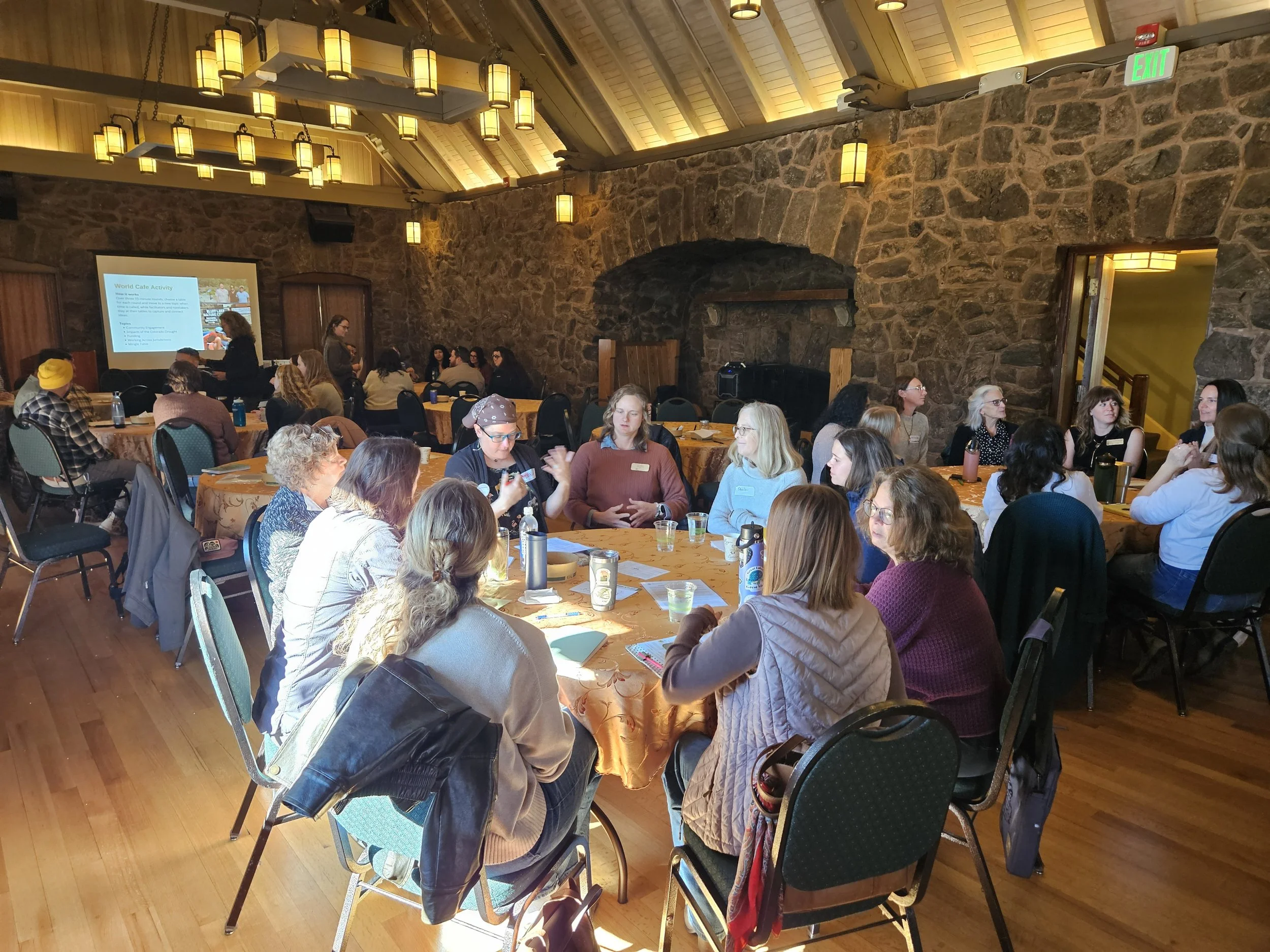
The Fall Partner Convening took place at the Boettcher Mansion on Lookout Mountain
What’s New with Metro DNA?
Metro DNA touched on its Regional Vision for People and Nature that was released in early 2026, and the implementation committee that has since been formed to examine the actions that can spring from the Vision. Executive Committee member Susan Daggett shared that land managers on the Regional Vision Implementation Committee identified a gap and suitability analysis as a priority, and the Executive Committee chose to move it forward using existing Metro DNA funding. A visual analysis will be developed to identify gaps, priority areas, and projects, working with land managers at all scales and other key partners, to help ground a future Regional Impact grant application. The committee is currently exploring how Metro DNA can best support collaboration across jurisdictions.
This year, the coalition hired a new, part-time administrator when Erica Elvove stepped back from the role but remains on the Executive Committee. Meet Sara Rose, the new contract administrator.
Susan also shared information on the Regional Partnerships Initiative grant that Metro DNA recently submitted, updating partners on the projects and initiatives the coalition is focused on raising funding for next year. Metro DNA is the designated Regional Partnership for the seven-county Metro Denver region within Colorado’s Outdoors Strategy. The state Regional Partnership Initiative provides grant funding to support statewide goals for conservation, climate resilience, and equitable access to the outdoors.
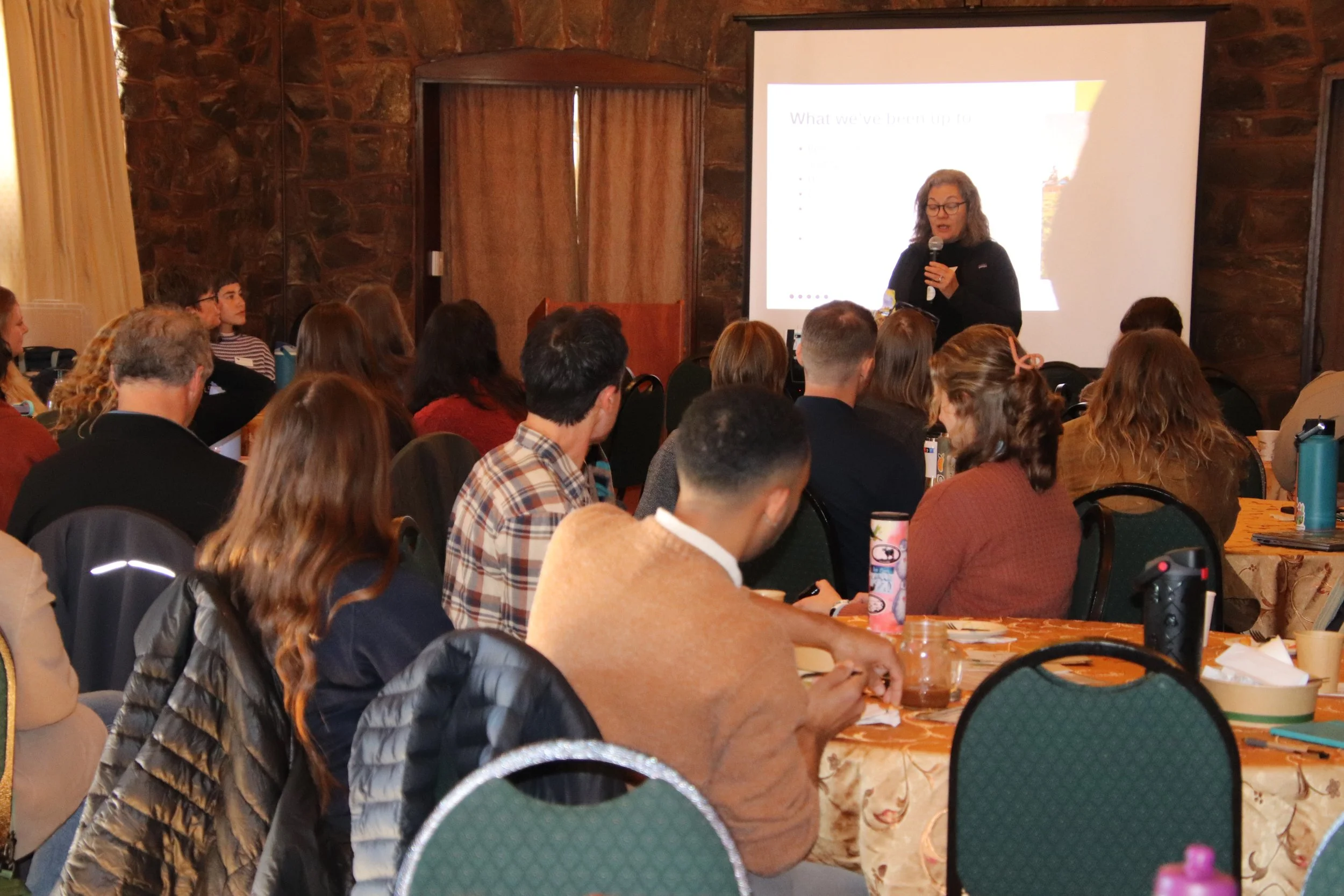
Susan Daggett, Metro DNA Executive Committee Member
Regional Demonstration Projects Bring Partners—and the Community—Together
For two years, Metro DNA provided grant funding for regional demonstration projects around the region. These 14 projects were designed to help prioritize and catalyze greater investments in habitat protection and connection, and equitable access to nature across the seven-county Metro Denver region.
One of the goals of these projects was to better understand barriers, opportunities, and best practices in urban conservation in the region. In keeping with the “demonstration” intent of these projects, Metro DNA engaged recipients in learning how the projects might inform, guide, and strengthen the implementation of our Regional Vision.
Some of the projects are complete, and some are still physically being built out, but the stories of these inspiring local projects are ready to be shared and leveraged for future momentum.
Explore all 14 demonstration projects along with videos and articles
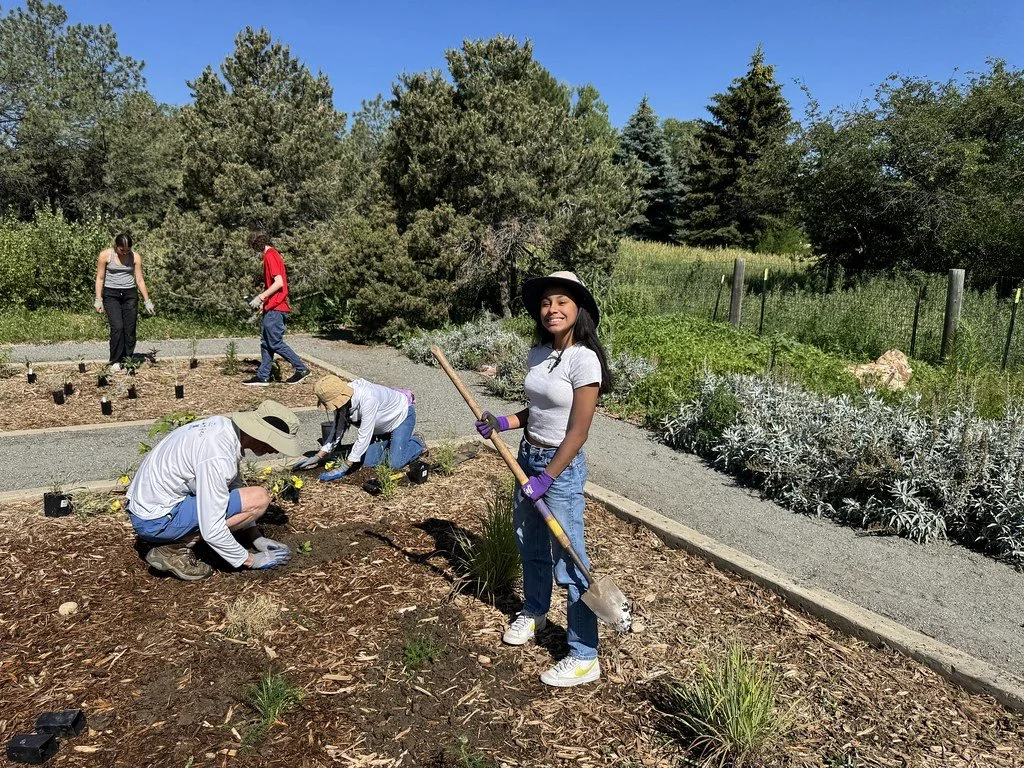
Nature Kids Longmont started new garden at Roger’s Grove Park. Photo by Thorne Nature Center
Connectivity and Collaboration
Next up at the Partner Convening was a panel session made up of three local experts who are members of Metro DNA: Cincere Eades of Denver Parks and Recreation, Claudia Browne of Biohabitats, and Leila Regan-Porter of Bluff Lake Nature Center & Sandcreek Regional Greenway.
The panel focused on stories of partners collaborating across jurisdictions and with communities to increase access to connected urban nature.
Leila noted that organizations along the Sand Creek corridor are finding common ground, sharing resources, and building relationships on a shared landscape. Claudia spoke about the Urban Habitat Connectivity Study and pollinator research tracking and how bees move between Bluff Lake and the rest of Denver. “Bees don’t stop at boundaries. How do we connect these resources across the city?” Claudia said.
Cincere shared, “Even a little patch of change can have a broader impact,” when commenting on balancing conservation and access—trails, parking, and restrooms—so more people can experience nature while the habitat is protected.
“Nature is one of the things that binds all of us, especially living in Colorado.”
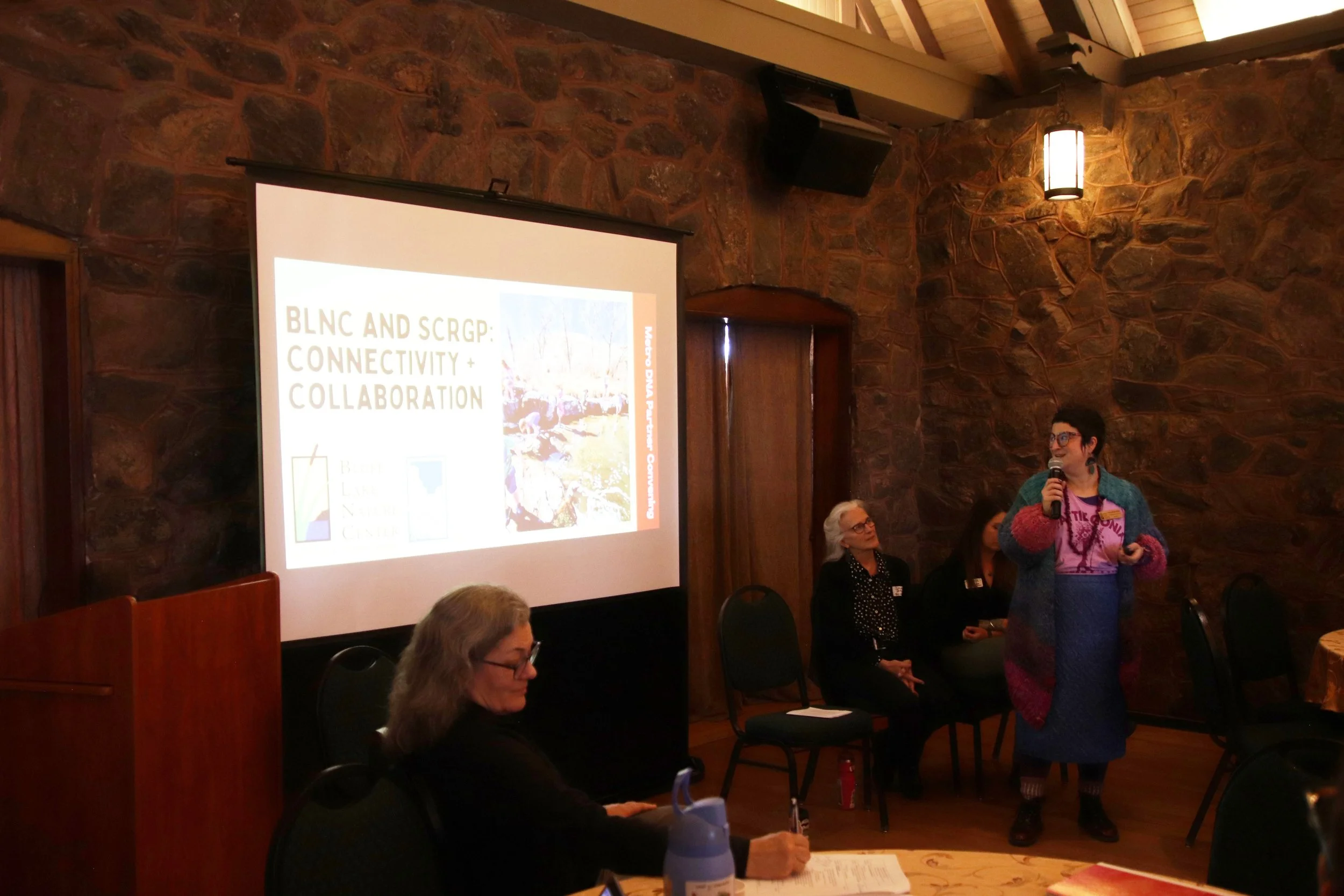
Panel members share their work and ideas for collaboration
A Seat at the Table, A Voice in the Vision
The last half of the Convening was set for discussion topics in world café style. Four topics engrossed the participants: community engagement, the impacts of the Colorado drought, working across jurisdictions, and funding.
The groups came away with key takeaways, shared below.
Impacts of the Colorado Drought Takeaways:
There is a need for public education and coordinated communication from public agencies like Denver Water, to on-the-ground organizations like The Park People.
With water use there needs to be a balance between supporting a healthy tree canopy with turf conversions to native plants
We need to shift the perception of “drought conditions” being a short-term natural disaster to a long-term shift in the climate of our region leading to an acceptance for the reality our state faces with drought
There is a need to support residents through direct funding to change their home water use with lawns and landscapes
Funding Takeaways:
Funders can cultivate collaboration by requiring it in funding proposals
Cross-organization and cross-jurisdiction collaboration takes coordination that is difficult to fund (staff) and sustain when everyone is so busy and "volunteering" their time
Leverage small, nimble, place-based organizations that cross boundaries like BLNC, SCRG, HLCC
Working Across Jurisdictions Takeaways:
Opportunity to leverage experience, assets, and resources if we could connect the dots between organizations doing related work
Strategic funding opportunities
Directory of resources (who knows what)/resource hub is needed
Convincing leadership in organizations to position these collaboratives as critical duties of roles versus “icing on the cake.” Seeing these as great professional development opportunities for staff.
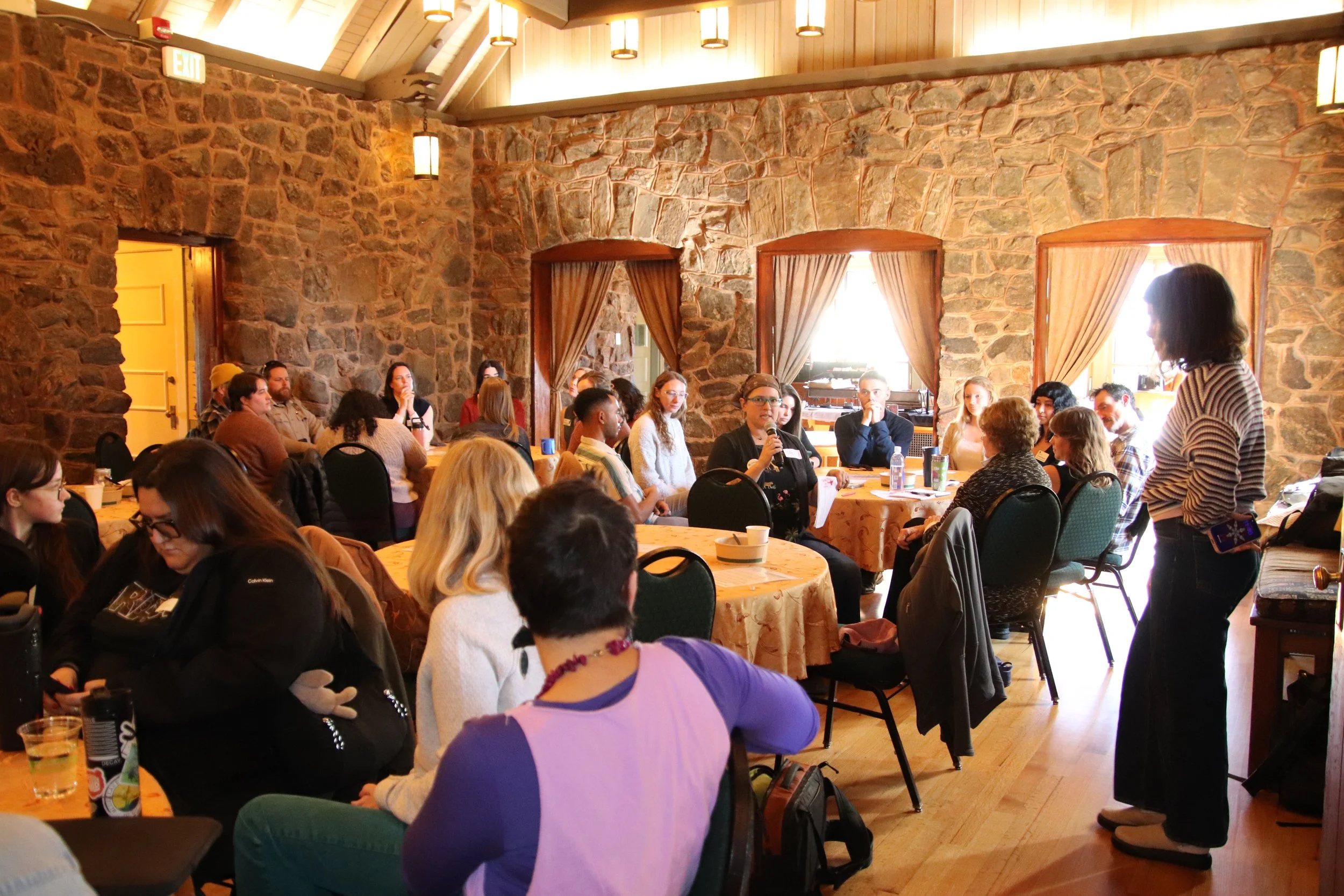
World Cafe topics included community engagement, the impacts of the Colorado drought, working across jurisdictions, and funding.
Where Collaboration Takes Root
The convening came to close with an open mic for partner updates. Many members and partners shared their upcoming events, initiatives, and enthusiasm for each other’s good work.
Metro DNA would like to thank the participants of this convening; you make this event meaningful and inspiring. Additional gratitude goes to the Executive Committee, staff, and Keystone Policy Center for facilitating.
Until next year!
Become a member of Metro DNA and join a future convening!